Does My Cat Need Dental X-Rays? Understanding What Lies Beneath the Surface
TL;DR: Dental X-rays for cats help your veterinarian see problems hidden below the gumline, where most of each tooth sits. They can reveal tooth resorption, root damage, bone loss, retained roots, abscesses, and other painful conditions that may not appear during a regular mouth exam. Your cat may need dental X-rays if she has broken or missing teeth, gum disease, bad breath, drooling, trouble eating, facial swelling, or concerns found during a dental cleaning.
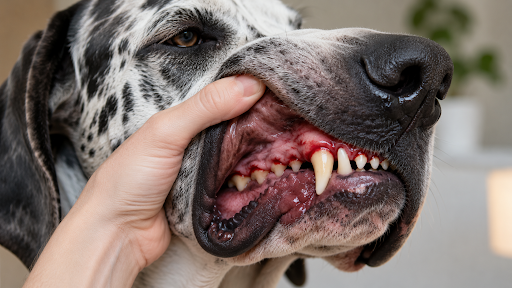
Your cat opens her mouth for only a second, but you notice something that doesn’t look quite right. Maybe her gums seem red. Maybe a tooth looks chipped. Or maybe you can’t see anything unusual at all, but she has been eating less, avoiding her favourite food, or drooling more than usual.
When you bring her to Oxford Animal Hospital, you may expect a quick answer. So, hearing that dental X-rays are recommended can be surprising.
It’s completely normal to wonder why imaging is needed when the visible exam didn’t show a clear problem. The reason is simple. Dental X-rays for cats give your veterinarian a fuller picture of what’s happening beneath the surface. That extra information can help you understand the cause of your cat's discomfort and choose the right next step for her care.
Why a Visual Exam May Not Show the Full Picture
During a routine checkup, your veterinarian can examine your cat's teeth and gums, as well as any easily visible changes. While this provides helpful information, it can’t reveal everything.
Below the gumline, the tooth roots and supporting bone remain hidden. This is where problems such as infection, tooth resorption, fractures, and bone loss can develop without obvious signs.
As a result, a tooth may appear healthy even when something painful is happening beneath the surface. In fact, up to 60% of disease may be hidden below the gumline.
Dental X-rays allow your veterinarian to see the tooth roots, the surrounding bone, and other areas that can’t be seen by sight alone. This provides a clearer picture of your cat's dental health and helps guide the right treatment.
When Your Cat May Benefit From Cat Dental Radiographs
Not every cat needs dental X-rays at every visit. Your veterinarian will recommend them based on your cat's age, symptoms, oral health, and exam findings.
Here are some of the most common reasons cat dental radiographs or dental x-rays may be helpful:
Broken, Loose, or Discoloured Teeth
If your veterinarian notices a broken tooth, a loose tooth, or one that has changed colour, dental X-rays can show what’s happening below the gumline.
They help determine whether the tooth root has been damaged, if there’s bone loss, or if an infection is developing. This information helps guide the best treatment for your cat.
Missing Teeth
Sometimes a tooth appears to be missing, but the root is still hidden beneath the gumline. A retained root can continue to cause pain or infection, even when the visible part of the tooth is gone.
Dental X-rays can show whether any roots remain and whether they should be removed.
Gum Disease and Swollen Gums
Gum disease is one of the most common dental problems in cats. While red or swollen gums are easy to spot, the damage below the gumline is often much more extensive.
Dental X-rays help your veterinarian see how much bone is supporting each tooth and determine which teeth may need treatment.
Signs of Infection
An infection around a tooth root can cause pain, swelling, and damage to the surrounding bone. Sometimes these infections are obvious, but they can also develop quietly without many visible signs.
Dental X-rays help locate the source of the infection and guide the next steps in your cat's care.
Concerns Found During a Dental Cleaning
During a professional dental cleaning, your veterinary team can examine every tooth much more closely than they can while your cat is awake.
If they notice anything unusual, such as deep gum pockets, loose teeth, or damaged enamel, dental X-rays provide a clearer picture before treatment decisions are made.
Feline Tooth Resorption, a Common but Hidden Problem
Tooth resorption is one of the most common dental problems in cats, yet many pet owners have never heard of it. It may affect 20% to 60% of cats, especially as they get older.
This condition happens when the body begins to break down the tooth itself. It often starts at or below the gumline, so there may be no obvious changes at first. As it progresses, it can reach the sensitive inner part of the tooth, causing significant pain.
The difficult part is that cats are very good at hiding discomfort. Your cat may still eat, but she might chew more slowly, avoid hard food, or seem less interested in meals. She may not cry out or paw at her mouth, even when the tooth is painful.
When tooth resorption is severe, the affected tooth is usually removed to relieve pain. The X-rays also help your veterinary team plan the right approach based on what’s happening below the gumline.
What Dental X-Rays Can Show
Dental X-rays help your veterinarian see parts of your cat's mouth that can’t be checked during a visual exam. They can reveal:
- Root damage: Cracks, tooth resorption, or other changes below the gumline.
- Bone loss: Damage to the jawbone caused by gum disease or infection.
- Retained roots: Tooth roots that remain after a crown has broken off or a previous extraction was incomplete.
- Abscesses and infection: Infected areas around a tooth root that may be painful even without obvious swelling.
- Tumours or cysts: Growths in the jaw that may not be visible from the outside.
- Teeth that haven’t erupted properly: Teeth that are trapped or sitting in an unusual position within the bone.
The X-rays help your veterinary team decide what your cat needs next. Some problems may need treatment right away, while others can be watched over time. The clearer the picture, the easier it is to choose the right care for your cat.
Help Your Cat Feel More Comfortable With Cat Dental X-Rays in Edmonton
Dental X-rays may or may not be the right choice for your cat. Your veterinarian will consider your pet's age, symptoms, oral health, and exam findings before making a recommendation.
Your veterinary team can also explain what the images may show, how the results could affect treatment, and what other options may be available. That way, you can make a decision that feels right for your cat and your family.
At Oxford Animal Hospital, our approach to veterinary dental care for cats is built around clear information, thoughtful guidance, and supportive care.
If your cat has bad breath, drooling, trouble eating, or other signs of mouth pain, book a cat dental assessment with Oxford Animal Hospital. If she has facial swelling, active bleeding, severe pain, or suddenly stops eating, contact Oxford Animal Hospital for guidance.
Common Questions About Cat Dental X-Rays
Does My Cat Need Anesthesia?
Yes. Your cat needs to stay completely still while the X-ray sensor is placed inside the mouth. Anesthesia also allows the veterinary team to examine each tooth and the surrounding gums safely and carefully.
It’s normal to feel nervous about anesthesia, which is why Oxford Animal Hospital places such a strong focus on anesthesia safety during pet dental care.
Are Dental X-rays Safe?
Yes. Dental X-rays use a very small amount of radiation, and the exposure only lasts a few moments. The risk is minimal, while the images can reveal painful problems hidden below the gumline.
Does Every Cat Need Dental X-Rays?
Not always. Your veterinarian will consider your cat's age, symptoms, medical history, oral health, and exam findings.
Cats with mouth pain, damaged teeth, gum disease, or concerns found during a dental cleaning are more likely to benefit from imaging. The goal is to gather the information needed to choose the right care for your cat.
Book Cat Dental X-rays in Edmonton for Peace of Mind
Don’t wait for hidden dental pain to get worse. Book with Oxford Animal Hospital today and get clear answers about what’s happening below the gumline.
Disclaimer: The information in this blog is for educational purposes only and is not a substitute for professional veterinary advice. For any health concerns regarding your pet, please schedule an appointment with our veterinary team.