
Menu
close
March 31, 2026
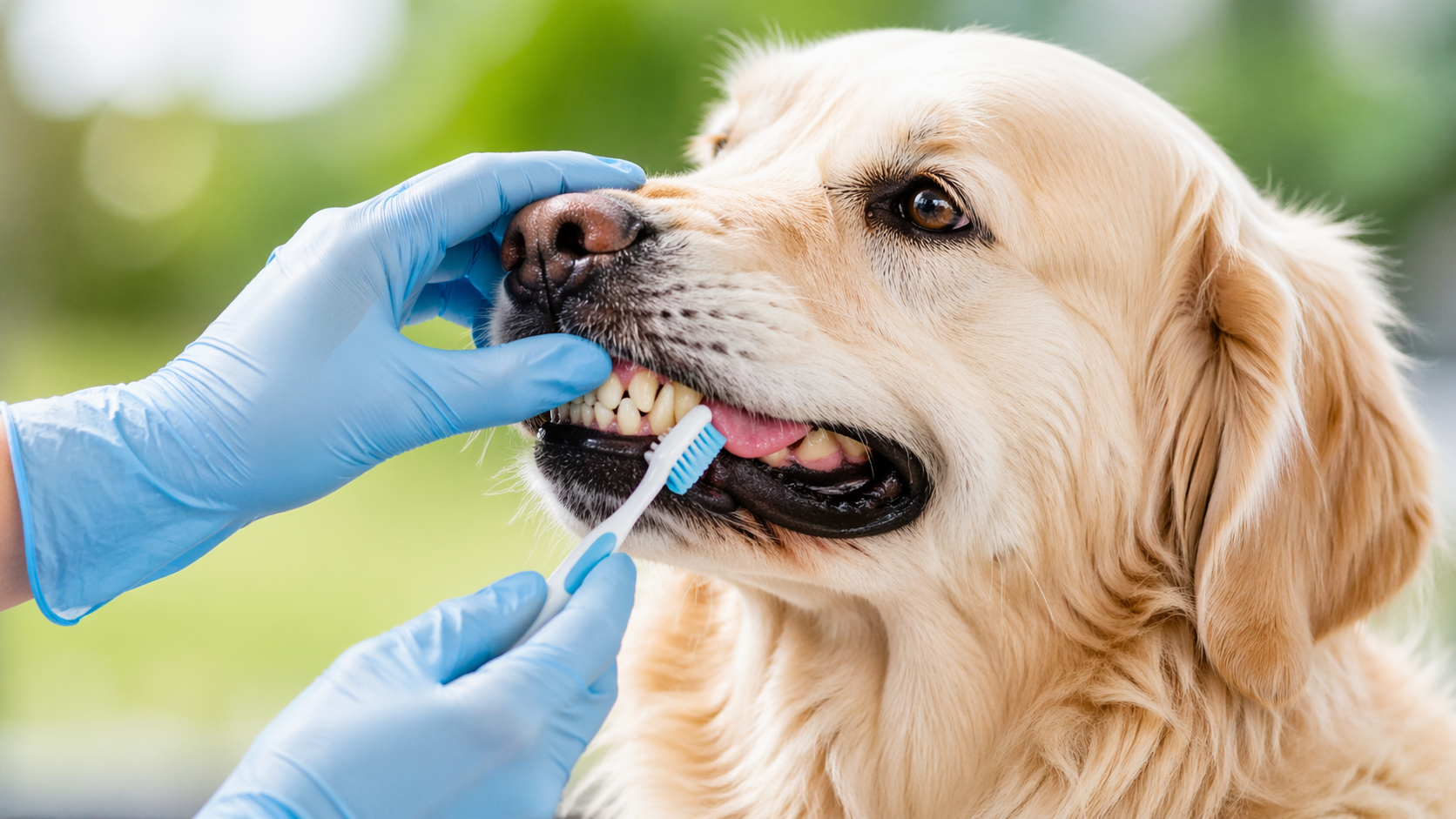
You lean in to give your dog a scratch behind the ears, and there it is - that unmistakable, foul smell. You might pull back and laugh it off as just “dog breath.” Many of us assume a stinky mouth is just part of having a canine companion. However, bad breath in dogs is rarely just a cosmetic quirk. That scent is often a signal from your dog’s body that something is happening beneath the surface. Most of the time, that signal points directly to their oral health and the early stages of dental disease. Today, we’ll empower you with the knowledge to understand what that smell actually means so you can make the best decisions for your cherished pet. The phrase “dog breath” suggests that a smelly mouth is inevitable. As a result, many pet owners adapt and stop noticing the scent over time. Meanwhile, bad breath in dogs and other dental issues can quietly progress, affecting your dog’s comfort and even their ability to eat. Dogs are experts at hiding pain. This evolutionary trait helps them appear strong, so they might continue playing and wagging their tails even with significant signs of dog dental disease. By the time their behaviour changes noticeably, the problem has often been developing for months. This is why a regular dog dental cleaning in Edmonton is so important for early detection. In most cases, that unpleasant odour comes from bacteria. When food particles mix with saliva, plaque forms on the teeth. If it isn't removed, it hardens into tartar - the yellowish or brownish buildup you see near the gumline. The smell is caused by these bacteria producing sulphur compounds. While the scent is bothersome, the real concern is what those bacteria are doing to your pet’s gums and bone structure. This can lead to dog dental disease signs that are much harder to treat if left alone. Periodontal disease, the formal name for gum disease, starts with gingivitis. You might see red or swollen gums, which is an inflammatory response. At this early stage, the damage is still reversible with proper care. If left untreated, it moves into periodontitis. This is where the structures supporting your dog's teeth begin to break down, leading to bone loss and infection. Since most dogs over age three have some degree of dental disease, early detection is essential. While bad breath is usually the first clue, there are several other subtle signs that your pet might be struggling: There is a common myth that chewing on bones or toys is enough to keep a dog's mouth clean. While mechanical chewing helps reduce new plaque, it can’t remove hard tartar or reach bacteria hiding under the gumline. Think of dental treats like eating an apple - it's a healthy habit, but it doesn't replace a trip to the dentist. Once tartar has hardened, it requires a professional dog dental cleaning in Edmonton to safely remove the buildup and assess the health of the roots. When you visit us for a wellness exam, our veterinary team performs a visual check of your pet’s mouth for any dog dental disease signs. However, a complete evaluation requires your pet to be under anesthesia so we can take X-rays and clean beneath the gumline. During a professional procedure, we: A healthy dog should not have a foul or repelling mouth odour. While their breath might not be minty fresh, a strong, persistent smell usually indicates a bacterial issue or underlying health concern. Every dog is different. Small breeds often need more frequent care, while some larger dogs may go longer between visits. We generally recommend an oral evaluation at least once a year during your pet's annual exam. We take every precaution to ensure safety, including pre-anesthetic bloodwork to check organ function. For most pets, the risk of chronic infection and pain from dental disease is much higher than the risk of a monitored anesthetic procedure. Yes! Brushing your dog’s teeth daily with pet-safe toothpaste is the gold standard for preventative care. It helps slow plaque buildup, though it cannot remove hardened tartar. Yes. Bacteria from the mouth can enter the bloodstream and potentially impact the heart, liver, and kidneys. Maintaining oral health is a key part of supporting your pet's overall longevity. Small breeds often have the same number of teeth as large dogs, but in a much smaller mouth. This crowding creates more nooks and crannies where bacteria can hide, leading to faster tartar accumulation. While diet isn't a cure for existing dental disease, what your dog eats can play a role in their oral health. Specific dental diets are formulated with larger, textured kibble that acts like a toothbrush, scrubbing plaque away as they chew. However, even the best diet cannot reach the bacteria hiding under the gumline, which is why professional care remains the most effective solution. Many dogs with significant dental pain will continue to eat because their survival instinct is so strong. They may swallow kibble whole or shift the food to one side of their mouth to avoid a painful tooth. Because they are so stoic, waiting for a dog to stop eating usually means the dental disease has reached an advanced, extremely painful stage. Your dog relies on you to notice the subtle signs of dental disease that they can't put into words. By staying proactive with bad breath in dogs, you are laying the foundation for a longer, more comfortable life for your furry family member. If those stinky kisses are getting a bit too strong, let’s take a look together. Our team provides professional dog dental cleaning in Edmonton with the compassionate, expert care your pet deserves. Ready to freshen up those kisses? Contact us today to schedule a dental evaluation and keep your pet's smile healthy.Stop Ignoring Bad Breath in Dogs: What Your Pet is Telling You
Why We Often Overlook the Odour
What Your Dog's Breath is Trying to Tell You
The Silent Progression of Gum Disease
Other Dog Dental Disease Signs to Watch For
Can Chews Replace a Professional Cleaning?
What Happens During a Dental Exam?
Frequently Asked Questions
Is “Dog Breath” Ever Considered Normal?
How Often Does My Dog Need a Professional Cleaning?
Is Anesthesia Safe for My Older Dog?
Can I Brush My Dog’s Teeth at Home?
Does Dental Disease Affect More Than Just the Mouth?
Why Do Small Dogs Have More Dental Problems?
Can Certain Diets Help Improve My Dog's Breath?
My Dog Still Eats Fine; Does That Mean Their Mouth Doesn't Hurt?
Why Addressing Bad Breath in Dogs is a Vital Part of Care