
Menu
close
March 21, 2026
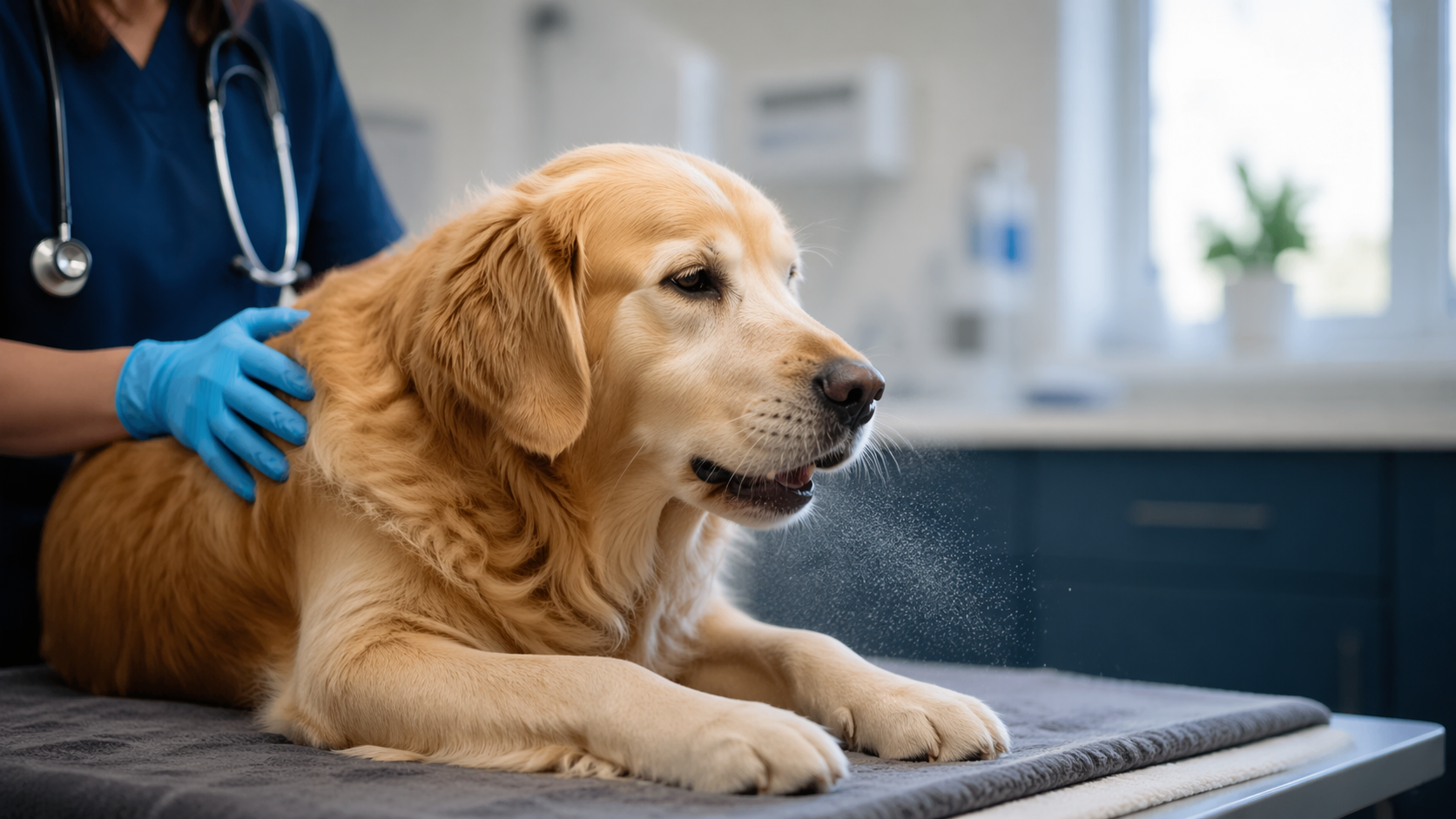
Your dog comes home from the groomer or the dog park, and within a few days, you hear a sound you have never heard before. It is a harsh, honking cough that seems to come from deep in the chest. They might gag afterward, leaving you wondering if they are choking. This scenario is common for pet owners in Edmonton. You likely have immediate questions: Is this serious? Can my other pets catch it? Should we visit Oxford Animal Hospital right now? Kennel cough occupies an uncomfortable middle ground. It is common enough that many dogs encounter it, yet contagious enough to spread rapidly through a household. While many cases resolve with rest, others require professional medical attention. Kennel cough in dogs is the common name for canine infectious respiratory disease complex. This condition involves highly contagious infections that affect the upper respiratory tract. And if you're asking yourself, "Is kennel cough contagious?" Yes, it spreads easily in places where dogs congregate, such as shelters, training classes, and grooming facilities. It is important to understand that a single germ does not cause this condition. Multiple viruses and bacteria can trigger the same coughing syndrome. For example, the Bordetella vaccine specifically targets the most common bacterial culprit, but other viral players may still be involved. When symptoms appear, the right dog coughing treatment depends on identifying whether the cause is viral, bacterial, or a combination of both. Because so many different germs are involved, even vaccinated dogs can sometimes develop a mild cough. Think of it like the human flu shot: it reduces the risk and severity, but it cannot guarantee protection against every strain. If symptoms do appear, a specific dog coughing treatment may be necessary to help your pet recover comfortably. Yes, kennel cough is very contagious between dogs. This often surprises caregivers who have multiple pets at home. The infection typically spreads through three main routes: Dogs typically become contagious before they show any symptoms. The incubation period ranges from two to fourteen days. This means your pet might have spread the infection at the park days before you heard that first honk. The hallmark sign is a dry, hacking cough that sounds like a goose honk. This cough is often triggered by exercise, excitement, or leash-pulling. In simple cases, your pet might seem completely normal otherwise. However, you should watch for these signs of a progressing infection: Not every dog with a cough needs a prescription, but professional guidance ensures your pet stays safe from complications like pneumonia. Please schedule an appointment if your pet shows any of the following: If your pet is struggling to breathe or seems extremely weak, this is an emergency. Please contact our veterinary team immediately for urgent care. Treatment depends on the severity of the symptoms. Our goal is to empower you with the right information to help your furry family member recover quickly. For mild cases, the immune system often clears the infection within a few weeks. You can help by: If a bacterial infection is suspected, our experienced veterinarians may prescribe antibiotics. We might also recommend cough suppressants to help your pet sleep more comfortably during their recovery. The Bordetella vaccine is a vital tool for preventative care. While it may not prevent every single respiratory virus, it significantly lowers the risk of severe illness. We recommend this vaccine for any dog that visits social settings like dog parks or boarding facilities. Most healthy dogs recover within one to three weeks. You should see a gradual improvement in cough frequency after the first 7 days. If the cough persists or worsens, a veterinary exam is necessary to rule out other issues. Your dog can go into your private yard for bathroom breaks. However, you should avoid public sidewalks, trails, and parks for at least two weeks after the coughing stops. This protects the rest of the Edmonton dog community. It is extremely rare for humans to catch Bordetella. It typically only poses a risk to individuals with severely compromised immune systems. For most caregivers, there is no risk to your own health. No, they are different. Kennel cough is usually a localized respiratory infection. Canine influenza (dog flu) is often more severe, causing high fevers and a much higher risk of life-threatening pneumonia. Pathogens can live on surfaces. We recommend washing all food bowls, bedding, and toys in hot, soapy water. Using a pet-safe disinfectant on hard surfaces where your dog spends time is also helpful. Most dogs recover from kennel cough without complications, but knowing when to act is key. If you are concerned about your pet’s breathing or persistent cough, we are here to help.How Contagious Is Kennel Cough in Dogs and When Should You Worry?
What Kennel Cough Actually Is
Common Causes of the Cough
Is Kennel Cough Contagious?
The Incubation Period
Recognizing Kennel Cough Symptoms
When to Seek Veterinary Care
How Our Veterinary Team Treats the Cough
Care at Home
Medical Intervention
Why Prevention Matters
Frequently Asked Questions
How Long Does Kennel Cough Typically Last?
Can My Dog Go For Walks While They Are Sick?
Can I Catch Kennel Cough From My Dog?
Is Kennel Cough The Same As The Dog Flu?
What Should I Clean If My Dog Is Sick?
A Reliable Partner in Your Pet's Health
Book an appointment at Oxford Animal Hospital today.