
Menu
close
March 16, 2026
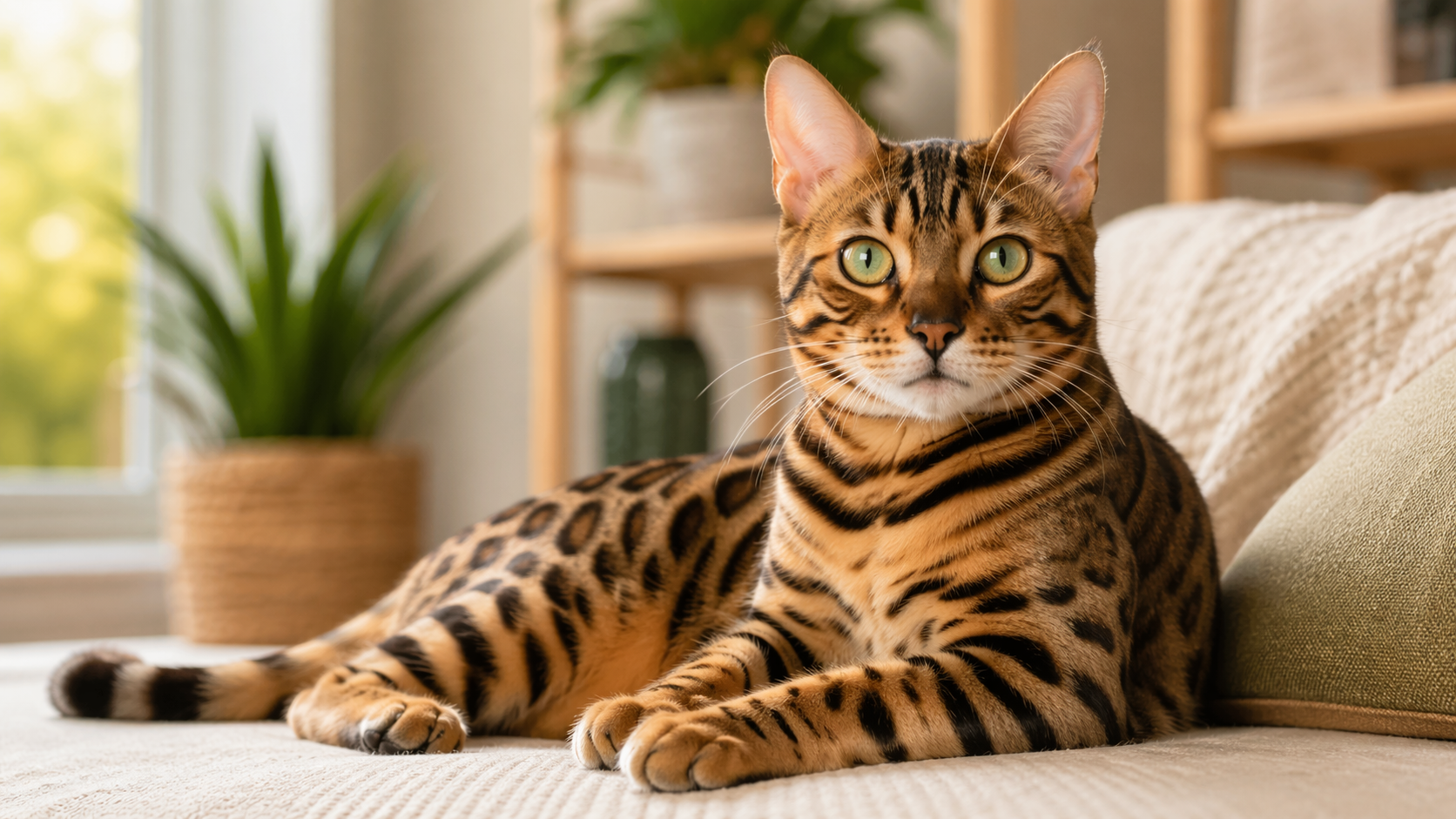
Few cats command attention quite like the Bengal. With their wild-looking spotted coats and muscular build, they resemble miniature leopards lounging on your sofa. It is easy to understand why people fall in love with them at first glance. But here is the dilemma prospective owners face: The cat that looks the most exotic often demands the most from their caregivers. Bengal cats aren’t simply beautiful pets with interesting markings. They’re a distinct breed with energy levels, social needs, and health considerations that differ substantially from the average house cat. At Oxford Animal Hospital, we have seen Bengals thrive in homes where owners understood the commitment. Unfortunately, we’ve also seen them surrendered because the reality didn’t match the Instagram fantasy. This guide exists to help you avoid that second outcome. The Bengal's origin story sets it apart. They were created by crossing domestic cats with Asian leopard cats, a small wild species native to South and Southeast Asia. The first documented crosses happened in the 1960s. This wild ancestry isn’t marketing. It directly influences the Bengal cat’s personality, intelligence, and physical characteristics. Bengals are medium to large cats, typically weighing between 3.6 and 6.8 kilograms. They’re muscular and athletic. But it’s their coat that stops people in their tracks. In most Canadian provinces, including Alberta, domestic Bengals are legal. However, this applies to Bengals that are at least four generations removed from their wild ancestor (F4 generation). If you’re buying from a breeder, confirm the generation status. Reputable breeders typically sell F4 or later generations as pets. This is where expectations and reality often diverge. People see the beautiful coat and assume Bengals will nap in sunbeams all day. Bengal cats have different plans. Bengals retain hunting instincts that most domestic breeds have lost. They want to climb, jump, chase, and explore. They don’t just enjoy activity; they require it. A Bengal without stimulation becomes a Bengal who invents their own fun. This generally becomes shredded furniture, knocked-over valuables, or escape attempts. They aren’t "bad cats." They are bored. Expect to spend meaningful play time with your Bengal on a daily basis. We're not talking about dangling a feather wand for five minutes. These cats need interactive play sessions of 15 to 30 minutes, multiple times daily. Puzzle feeders, climbing structures, or rotating toy collections are necessities. Bengals bond deeply with their humans. They’ll follow you from room to room and want to be involved in your activities. They’re also vocal. Bengals have a wide vocabulary of chirps, trills, and meows. If you work from home, expect commentary on your video calls. Because they’re so social, they don’t handle isolation well. If everyone in your household works long hours away from home, your Bengal may develop anxiety or behavioural issues. Many Bengal owners find that having two cats, not necessarily both Bengals, helps meet their social needs. Bengals are among the most intelligent domestic cat breeds. They can learn tricks, figure out how to open doors and cabinets, and remember the locations of hidden treats. This intelligence makes them engaging companions. It also means they get bored easily and can be manipulative in pursuit of what they want. Expect your Bengal to test boundaries and remember what worked. Environmental enrichment is vital. Consider your home from a Bengal's perspective. Bengals are active and may need more calories than a lazy lap cat. Look for high-quality food with named animal protein as the first ingredient. Some Bengals have sensitive stomachs. If you notice recurring digestive issues, discuss diet options with our Edmonton vet team. Sometimes a simple food change resolves the issue. Despite their exotic look, grooming is easy. Their short coat doesn’t mat. A weekly brushing removes loose fur and keeps the coat shiny. Most Bengals enjoy being brushed, which makes it a bonding opportunity rather than a chore. Like all cats, they need regular nail trims and dental care. We need to be direct here. Bengals are predisposed to certain conditions. Understanding Bengal cats’ health issues helps you catch them early. HCM is a heart disease where the heart muscle thickens and eventually hinders function. Bengals have a higher risk for this than many breeds. Early HCM often has no symptoms. This is why regular wellness exams matter. We listen for heart murmurs or irregular rhythms. Definitive diagnosis requires an echocardiogram (heart ultrasound). This genetic condition causes gradual vision loss and eventual blindness. Responsible breeders test their cats for the PRA gene and don’t breed affected individuals. Ask your breeder for proof of this test. This inherited condition affects red blood cells and causes anemia. Like PRA, reputable breeders can test for this via a DNA swab. Bengals can be prone to patellar luxation, where the kneecap dislocates from its normal position. This can range from mild (self-correcting) to severe (requiring surgical intervention). If you notice your Bengal occasionally skipping or holding up a back leg, mention this at your next appointment. Many Bengal owners report that their cats have sensitive stomachs. This isn't necessarily a disease but rather a tendency toward digestive upset with diet changes or lower-quality foods. If your Bengal experiences frequent vomiting, diarrhea, or seems uncomfortable after eating, don't assume it's just "how Bengals are." We can help determine whether it's a dietary issue or something that needs further investigation. Bengals can do well with children who are old enough to be respectful. Their high energy matches well with active kids. However, Bengals won’t tolerate rough handling or being chased when they want to retreat. Teach children to read cat body language and respect your Bengal's boundaries. Provide the cat with high spaces where they can observe activity without being disturbed. Many Bengals coexist peacefully with dogs, particularly if introductions are handled carefully. Bengals confident enough to hold their own often end up playing with dog housemates. A calm, cat-friendly dog is the best match. High-prey-drive dogs may trigger a Bengal's instinct to flee, which can create a dangerous dynamic. Bengals generally do well with other cats, though their high energy can overwhelm more sedate companions. A second active cat often helps meet a Bengal's play needs. Proper introductions matter. Don't rush the process; gradual, supervised meetings over days or weeks set everyone up for success. Be honest with yourself about these questions: If you answered honestly and feel excited, a Bengal might be a great match. If you’re unsure, consider other breeds like the Egyptian Mau, which share the look but have different needs. Yes, but only with enrichment. Bengals should be kept indoors for their safety, but "indoor" must include substantial environmental enrichment. A Bengal confined to a small space without climbing opportunities, interactive toys, and regular play sessions will develop behavioural problems. With proper care, they live 12 to 16 years on average. Lifespan depends on genetics (heart health), nutrition, and safety (keeping them indoors). No cat is truly hypoallergenic. However, Bengals have a "pelt-like" coat that sheds less than average. Some people with mild allergies tolerate them better. If you have allergies, spend time with Bengals before committing; results vary by individual. Many do! It’s not uncommon for a Bengal to join you in the shower, play with a running tap, or splash in their water bowl. Their wild ancestors lived near water, and this trait often remains. Pet-quality Bengals from reputable breeders typically cost $1,500 to $3,000 CAD. Show-quality or breeding cats command higher prices. Be wary of significantly cheaper Bengal kittens. They may come from kitten mills with poor health testing practices. Adoption is occasionally possible through Bengal-specific rescues if you're open to an adult cat. Whether you’re researching or already own a Bengal, Oxford Animal Hospital is here to support you. From vaccinations to heart health screenings and urgent care, our team understands this unique breed. We would love to meet your wild-looking friend. Disclaimer: The information in this blog is for educational purposes only and is not a substitute for professional veterinary advice. For any health concerns regarding your pet, please schedule an appointment with our veterinary team.What Makes a Bengal Cat, a Bengal
Physical Traits That Turn Heads
The Wild Look: Is It Legal?
Bengal Cat Personality: Intelligence Meets Intensity
Energy That Does Not Quit
Social Needs and Chattiness
Intelligence That Requires Respect
Bengal Cat Care: What They Actually Need
Exercise and Enrichment
Dietary Considerations
Grooming
Bengal Cat Health Issues: What You Should Know
Hypertrophic Cardiomyopathy (HCM)
Progressive Retinal Atrophy (PRA)
Pyruvate Kinase Deficiency (PK Deficiency)
Patellar Luxation
Sensitive Digestive Systems
Book Your Vet Visit Today
How Bengal Cats Play With Others
With Kids
With Dogs
With Other Cats
So, Is a Bengal Cat Right for You?
Frequently Asked Questions About Bengal Cats
Do Bengal cats make good indoor cats?
How long do Bengal cats live?
Are Bengal cats hypoallergenic?
Do Bengal cats like water?
How much do Bengal cats cost?
We’re Here for Your Bengal Cat's Health