
Menu
close
March 23, 2026
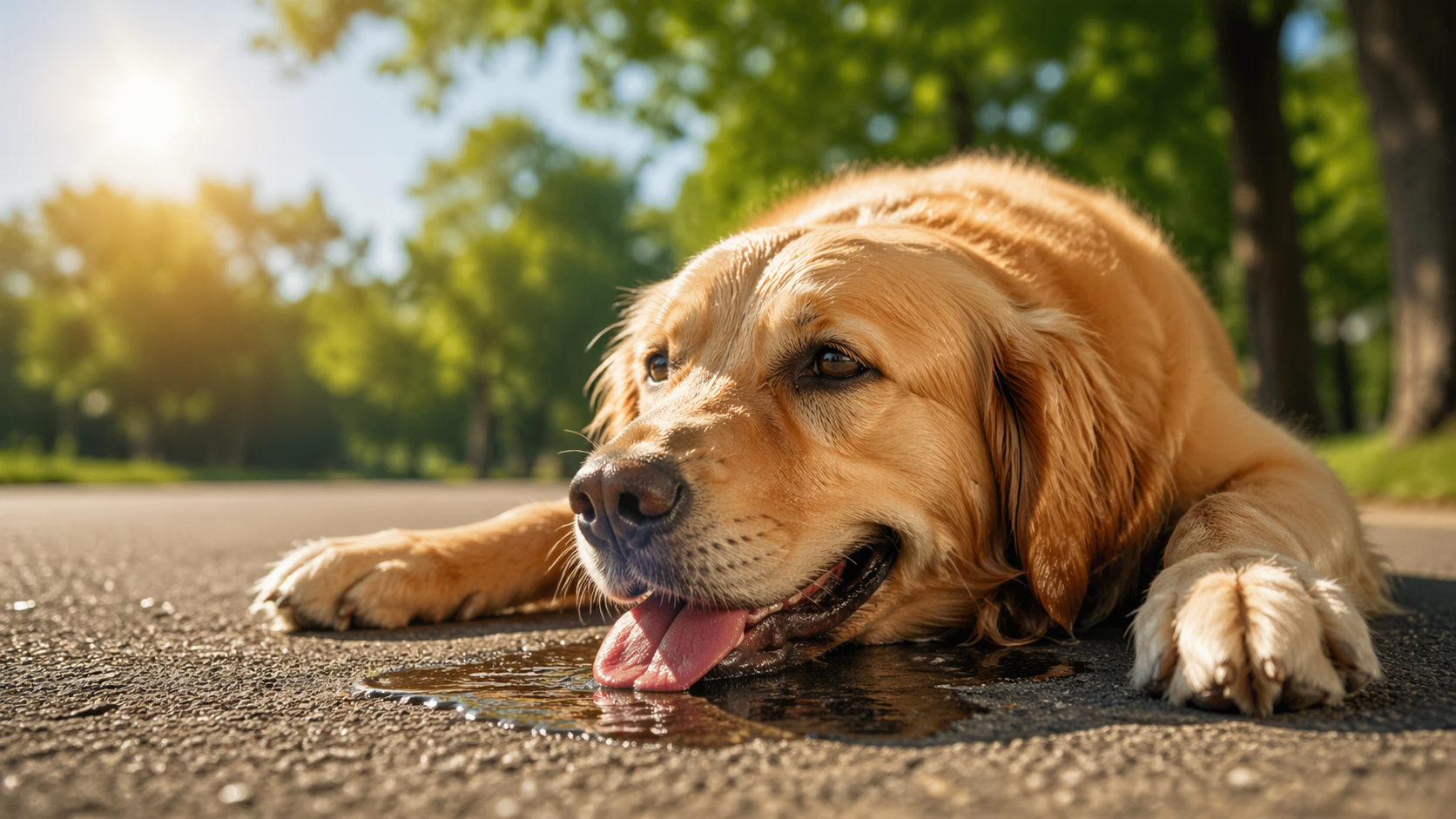
Most pet owners assume they will recognize when their dog is in serious trouble. The reality is often different. Heat stroke in dogs does not always start dramatically. It often begins with subtle changes that resemble normal tiredness after play. By the time the signs are unmistakable, the window for effective treatment may already be closing. Dogs face a unique challenge because they cannot tell you when they feel strange. They cannot explain that their head hurts or that something feels wrong inside. Unlike humans, who sweat to cool down, dogs release heat mostly through panting and their paw pads. This makes their cooling system less efficient, especially when the humidity is high or when they are very active. We see heat-related emergencies every summer. These cases often share a common thread: an owner noticed something was off but waited to see if it would improve. We understand that hesitation. You do not want to overreact. However, with heat stroke, waiting even ten minutes can be the difference between a full recovery and permanent organ damage. This guide explains what happens inside your dog's body during heat stroke. We want you to recognize the signs that matter most and know exactly what to do in an emergency. To protect your pet, you must understand how poorly they handle heat compared to humans. When you exercise, sweat evaporates from your skin, carrying heat away. Dogs do not have this luxury. Their sweat glands are limited to their paw pads, which is a tiny surface area. Instead, dogs rely on panting to move air across their tongue and respiratory tract. This system fails quickly when: If heat enters the body faster than it can escape, the core temperature rises. Once a dog’s internal temperature exceeds 40 °C, cellular damage begins. This can happen in as little as 15 minutes under the wrong conditions. Some pets are more vulnerable than others. Understanding these risks helps you stay vigilant. The challenge with identifying dog overheating symptoms is that early signs look like normal exhaustion. A dog who has been running will pant and seem tired. The key is whether those signs improve or get worse when the dog stops moving. These signs suggest your dog is struggling and needs immediate help: If you see these signs of heat stroke in dogs, seek emergency veterinary care immediately: If you suspect dog heat exhaustion, start cooling them while you arrange transport to our clinic. Even if your pet seems better, please contact our team immediately. Heat stroke can cause internal damage that is not visible right away. Prevention is the best way to ensure a long, healthy life for your pet. Place the back of your hand on the ground for five seconds. If it is too hot for you to hold it there, it is too hot for your dog's paws. High ground temperatures can cause dog overheating symptoms to develop very quickly. Yes. If the water is warm or the dog is playing too hard, they can still overheat. Always monitor your pet’s breathing, even during water activities. Not necessarily. A dog's coat often acts as insulation against the heat and protects their skin from sun damage. Brushing out the undercoat is usually more effective than shaving. Dog heat exhaustion is the early stage where the body is starting to overheat, but can still recover with cooling. Heat stroke is a medical emergency where the body temperature is so high that organs begin to fail. Recovery depends on the severity. Some pets recover in a few hours, while others need days of intensive care. Quick action within the first ten minutes significantly improves the chances of a full recovery. Heat stroke is fast and unforgiving. Your dog depends on you to notice the signs they cannot describe. If you are ever uncertain, it is always better to be safe. Start the cooling process and contact us right away. Our veterinary team is here to support you and your furry family members through every season.Heat Stroke in Dogs: The Critical 10-Minute Window
Why Dogs Overheat So Quickly
Dogs at the Highest Risk
Signs of Heat Stroke in Dogs: What to Watch For
Early Warning Signs (Act Now)
Severe Signs of Heat Stroke (Emergency)
Emergency Response: How to Help an Overheating Dog
Preventing Heat Stroke in Dogs
Frequently Asked Questions
How Can I Tell If The Pavement Is Too Hot For My Dog?
Can Dogs Get Heat Stroke While Swimming?
Does Shaving My Dog Keep Them Cooler?
What Is The Difference Between Heat Exhaustion And Heat Stroke?
How Long Does It Take For A Dog To Recover?
Your Partner in Pet Health