
Menu
close
March 19, 2026
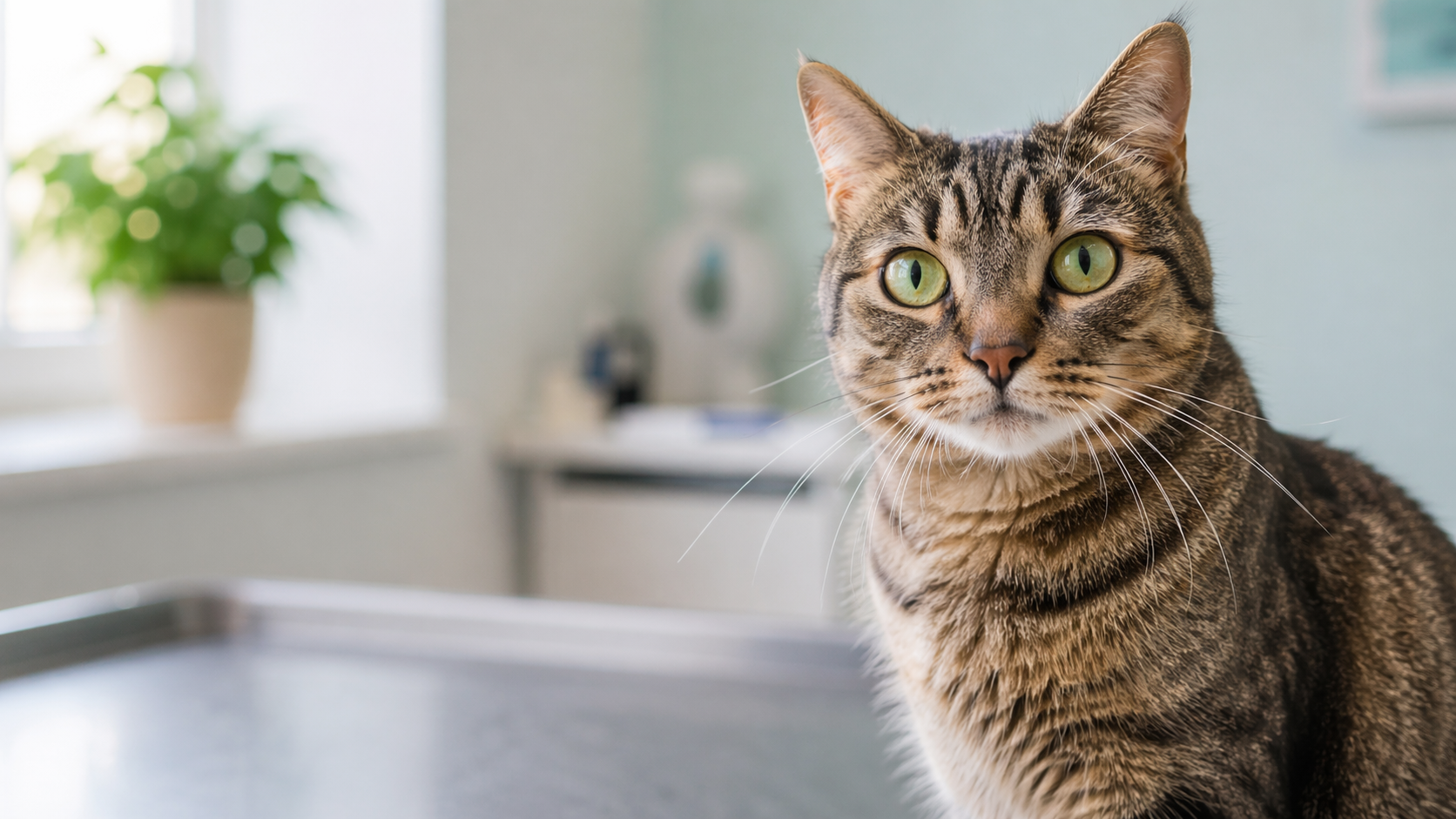
Your cat is eating more than ever. The food bowl empties faster than it used to, and yet somehow, she's losing weight. Her fur looks rougher. She seems restless at night. Maybe it’s just an age thing; she is getting older. But something just feels off. This disconnect between a big appetite and weight loss is one of the most common reasons cat owners visit Oxford Animal Hospital. Often, the answer is hyperthyroidism in cats, a condition that affects roughly 10% of cats over the age of ten. Here's the difficult part: Hyperthyroidism creeps in slowly. Many of its early signs look like normal aging. By the time you notice something is genuinely wrong, the disease may have been progressing for months. That delay matters. Untreated hyperthyroidism doesn’t just make your cat uncomfortable; it can damage her heart and kidneys. The good news? When caught early, this condition is highly manageable. Many cats live comfortably for years after diagnosis. But getting there requires understanding what you're dealing with. The thyroid gland sits in your cat's neck, just below the larynx. It produces hormones, primarily thyroxine (T4), that regulate metabolism. In a healthy cat, this system runs quietly in the background. It controls how the body uses energy, maintains temperature, and supports organ function. In hyperthyroidism, the thyroid gland becomes overactive. It produces too much T4, and the body's metabolic rate speeds up dangerously. Think of it as an engine running too hot. Everything speeds up, including the heart rate and digestion. The body burns energy faster than the cat can eat, leading to weight loss. In most cases, a benign tumour called an adenoma causes the issue. These small growths develop in the thyroid tissue and force it to overproduce hormones. Cancerous tumours (carcinomas) are possible but rare, accounting for fewer than 5% of cases. We don’t fully understand why these tumours form, but research points to a few factors. None of these factors has been definitively proven to cause hyperthyroidism. The reality is that we don't yet have a clear answer for why some cats develop this condition, and others don't. Hyperthyroidism rarely appears in young cats. It’s a disease of middle-aged and senior cats, typically diagnosed between ages 10 and 13. If your cat is under eight, this condition is unlikely, and their weight loss issues are the result of something else. There is no strong breed predisposition. However, indoor cats appear to be affected more often than outdoor cats. Both male and female cats are affected at roughly equal rates. The main risk factor is age. If you have a senior cat, awareness of cat thyroid disease becomes increasingly important as the years pass. One challenge with this disease is that early symptoms are subtle. Your cat might seem a bit thinner, a little more active at night, or less interested in grooming. These changes are easy to dismiss or attribute to aging. But hyperthyroidism is progressive. Without treatment, symptoms worsen and compound over time. As the disease progresses, symptoms become more obvious and more concerning. Routine wellness exams are vital for senior cats. Catching hyperthyroidism before it damages the heart changes the entire outlook. Our senior pet care services are designed to catch conditions like this early. The transition from early to late-stage symptoms can happen over months or years, depending on the individual cat. This is why routine wellness exams become so valuable for senior cats. Catching hyperthyroidism before organ damage occurs can change your cat’s entire outlook. The short answer: Sooner rather than later. If your cat is over nine years old and showing any combination of the symptoms above (especially cat weight loss thyroid-related changes alongside increased appetite), schedule an appointment immediately. Don't wait for multiple symptoms to appear. You should also know that hyperthyroidism in cats can mask kidney disease. It happens because the increased blood flow caused by an overactive thyroid can artificially improve kidney function numbers on blood tests. So, it’s only after the thyroid levels are controlled and “back to normal” that we can see any underlying kidney problems. Your veterinary team will need to monitor both conditions carefully. This isn't meant to alarm you. It's meant to emphasize that early diagnosis leads to better outcomes and more treatment options. Diagnosis typically begins with a physical exam. As your Edmonton veterinarians, we’ll feel your cat’s neck for an enlarged thyroid gland (called a palpable goitre), though this isn't always present. However, the definitive test is a blood panel, measuring the total T4 levels. Elevated T4 confirms the diagnosis in most cases. If the levels are borderline, but your cat has symptoms, we’ll run additional tests. At Oxford Animal Hospital, our diagnostic services enable us to run these tests quickly and more affordably, so we can get started on a treatment plan. There’s no single "best" treatment. The right choice depends on: Oral methimazole is the most common treatment. It blocks the thyroid gland's ability to produce excess hormones. It doesn't cure the disease but manages it. If your cat refuses pills, ask us about transdermal methimazole. This is a gel applied to the inside of the ear, making administration much easier. For many cats and owners, medication is a practical, effective long-term solution. For others, the daily commitment becomes difficult. A specific veterinary diet can control the disease by limiting iodine, which the thyroid needs to make hormones. This approach works only if your cat eats nothing else. No treats, no table scraps, no hunting, no food from another pet's bowl. This is the only treatment that can cure hyperthyroidism. It’s a single injection of radioactive iodine that destroys the abnormal thyroid tissue. Most cats require only one treatment. We can surgically remove the thyroid gland. This is less common now due to the success of radioactive iodine, but it’s an option in specific cases. We typically suggest surgery when radioactive iodine isn't accessible or when other factors make it the better choice. Once treatment begins, your role shifts to maintenance. Most cats stabilize quickly. You’ll see weight gain and a better coat quality within weeks. Many cats with well-managed hyperthyroidism live comfortably for years. The condition doesn't have to define your cat's quality of life, but it requires ongoing attention. Our wellness exams are built to support exactly this kind of long-term management, with regular check-ins and adjustments as your cat's needs change. Yes. If untreated, the disease leads to heart failure, severe weight loss, and high blood pressure, which can cause blindness. While the disease progresses slowly, its complications can be life-threatening. Early treatment significantly extends your cat's life, but more importantly, their quality of life. Honestly? We don't know how to prevent it. The exact cause remains unclear, and there's no proven strategy to stop it from developing. What you can do is stay vigilant. Regular veterinary visits for senior cats, ideally every 6 months, give us the best chance to catch hyperthyroidism early. Blood panels as part of routine wellness exams can detect elevated thyroid levels before symptoms become severe. Early detection isn't prevention, but it's the next best thing. If you choose methimazole or the prescription diet, yes. These manage the condition but don’t cure it. If you stop the treatment, the symptoms will return. Radioactive iodine therapy and surgery are the only options that offer a permanent cure without daily meds. No. Hyperthyroidism is a serious hormonal imbalance caused by a tumour. Herbal remedies can’t stop the tumour from producing hormones. Relying on unproven remedies delays necessary medical treatment and risks your cat's heart health. Most owners see a difference within 2 to 4 weeks of starting medication. Your cat should seem calmer, and weight loss should stop. However, it may take a few adjustments to find the perfect dosage. The condition itself is not painful, but the side effects are uncomfortable. A racing heart, constant hunger, and high blood pressure cause anxiety and distress. Treating the disease relieves this physical stress and helps your cat relax. With proper management, the prognosis is excellent. Many cats live for years after diagnosis, dying eventually of unrelated causes. The crucial aspect is protecting the heart and kidneys by controlling the thyroid hormones early. Watching your cat lose weight and act restless is worrying. You want to help them feel like themselves again. At Oxford Animal Hospital, we guide you through every step. From the initial blood work to choosing a treatment that fits your family's life, we’re your partners in care. We offer comprehensive diagnostics and senior pet care to help you manage this condition with confidence. You’re not in this alone. Let’s get your cat feeling better. Disclaimer: The information in this blog is for educational purposes only and is not a substitute for professional veterinary advice. For any health concerns regarding your pet, please schedule an appointment with our veterinary team.What Is Feline Hyperthyroidism?
What Causes the Thyroid to Malfunction?
Which Cats Are at Greater Risk?
Recognizing Hyperthyroid Cat Symptoms
Early Signs to Watch For
Later-Stage Symptoms
When Should You See a Veterinarian?
How We Diagnose Hyperthyroidism in Cats
Additional Hyperthyroidism Diagnostic Tools
Treatment Options for Cat Thyroid Disease
Daily Medication (Methimazole)
Advantages
Challenges
Prescription Diet (Iodine-Restricted)
Advantages
Challenges
Radioactive Iodine Therapy (I-131)
Advantages
Challenges
Surgical Thyroidectomy
Advantages
Challenges
Living with a Hyperthyroid Cat: Managing Your Cat's Condition
Frequently Asked Questions About Hyperthyroidism in Cats
Can hyperthyroidism in cats be fatal if left untreated?
Can hyperthyroidism be prevented?
Will my cat need to take medication forever?
Are there natural remedies for cat thyroid disease?
How quickly will I see improvement after starting treatment?
Is hyperthyroidism painful for my cat?
What’s the life expectancy of a cat with hyperthyroidism?
We’re Here for You and Your Cat