
Menu
close
March 18, 2026
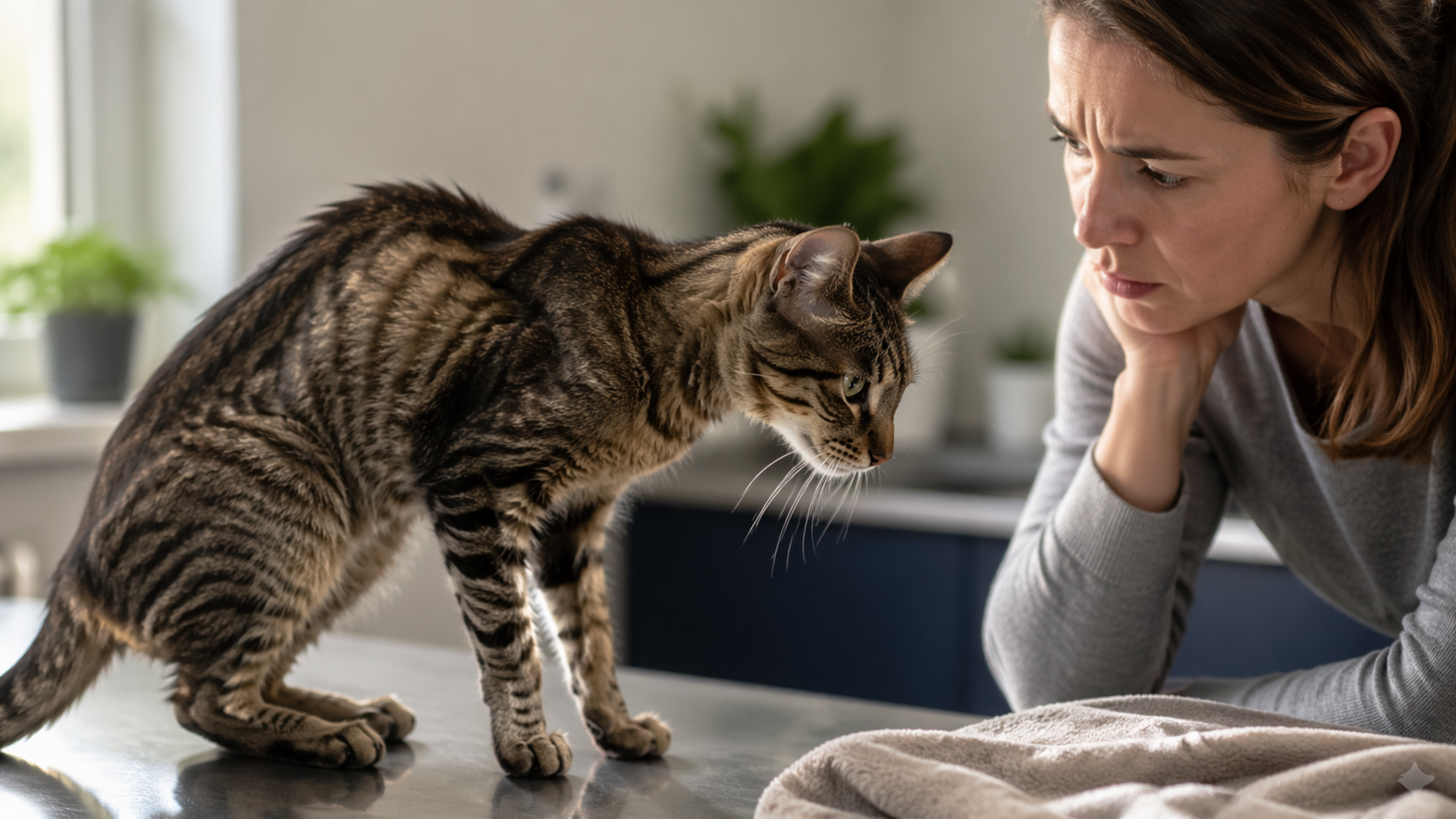
You noticed it while lifting your cat onto the couch. She felt lighter than usual. Or maybe you saw her spine a bit more clearly when she stretched in the sunlight. At first, you wondered if you were imagining it. But then you checked her food bowl… She's been eating less. Or maybe she's eating the same amount, but her weight’s still dropping. Your cat losing weight for no apparent reason is unsettling. Cats hide discomfort remarkably well. By the time weight loss becomes visible, something has often been happening beneath the surface for weeks or even months. Unexplained weight loss in cats is almost always worth investigating. It might be something manageable, like stress from a new pet. Or it could be an early sign of a condition that needs prompt treatment. Either way, you’re not overreacting. You’re doing exactly what a careful cat caregiver should do. Not all weight changes are alarming. A cat transitioning to a diet food may lose weight gradually and stay healthy. However, there’s a difference between controlled weight change and sudden loss. Knowing the difference helps you respond appropriately. If your cat has lost more than 10% of their body weight without explanation, it’s time to dig deeper. For a 5-kilogram cat, that is just 500 grams. It doesn’t take much for weight loss to become medically significant. When a cat loses weight without an obvious reason, the cause is usually internal. The body may be burning more energy than it takes in or struggling to absorb nutrients. This is one of the most common causes of senior cat weight loss. It occurs when the thyroid gland produces too much hormone. This speeds up your cat's metabolism dramatically. Cats with hyperthyroidism often eat ravenously but still lose weight. You may also notice restlessness, increased thirst, or a dull coat. Routine bloodwork is essential for catching this early. Diabetes prevents your cat from using glucose properly. Without insulin, the body starts breaking down fat and muscle for energy, even if your cat is eating well. Look for increased thirst and frequent urination, and changes in appetite. Some diabetic cats eat more at first, then lose interest in food as the condition progresses. The kidneys filter waste from the blood. When they begin to fail, toxins build up and appetite drops. Cats may drink more water, urinate more, and lose muscle mass along the spine. Kidney disease is not curable, but early intervention slows it down. This is why we recommend regular wellness exams and bloodwork for senior cats. Inflammatory bowel disease (IBD), food allergies, or infections can stop your cat from absorbing nutrients. Your cat may eat normally but still lose weight. Vomiting, diarrhea, and soft stools often accompany these issues. A thorough exam and diagnostic testing help us find the cause. No one wants to consider this possibility, but certain cancers, especially lymphoma, which commonly affects the gastrointestinal tract in cats, can cause progressive weight loss. Cats may also become lethargic, lose interest in food, or develop swelling in the abdomen. Early detection matters. Many cancers respond better to treatment when caught before they spread. Painful teeth or gums make eating difficult. Cats with dental disease may approach their bowl eagerly, then walk away after a few bites. You might notice drooling, pawing at the mouth, or messy eating. Routine dental care isn't just about fresh breath. It protects your cat's ability to eat comfortably and maintain a healthy weight. Intestinal worms and other parasites steal nutrients from your cat's digestive tract. Even indoor cats can be affected, especially if they've had any exposure to fleas or contaminated environments. Check their stool for guests and bring your cat in for a check-up. We’ll check for parasites and help you eliminate the nasties. Sometimes, weight loss is about circumstances rather than disease. Cats are creatures of habit. A new baby, new house, or just rearranged furniture can cause stress. Some cats stop eating when their routine is disrupted. If the sudden weight loss in your cat coincides with a life change, stress might be the culprit. In multi-cat households, a more dominant cat may bully a timid one at feeding time. The quieter cat eats less than they need, or they gorge when they get a chance, then vomit it back up. Weight loss follows gradually. Feeding cats in separate spaces or using timed feeders can help. Cats can be particular, said no one ever. A new food formula, a different brand, or a batch that smells slightly different is enough for your cat to reduce their intake. If you've changed anything about their diet recently, even the flavour of their usual brand, that could be a factor. Senior cats (usually 11+ years) sometimes lose interest in food as their senses dull. They may not smell their meals as strongly or find dry kibble harder to chew. Warming food slightly or switching to senior cat food that’s softer can help stimulate appetite. However, if weight loss persists, visit your vet. Weight loss rarely happens alone. Other signs often appear alongside it. If you notice any of these alongside weight loss, do not wait to see if they resolve. Not every case of weight loss requires an emergency visit. But some situations do. Warning: Cats who stop eating are prone to a dangerous liver condition called hepatic lipidosis. This can develop within days. If you're unsure whether your cat's situation is urgent, reach out to us. It's always better to have your cat examined and find out everything is fine than to wait and miss a critical window. Call 780-705-2131 At Oxford Animal Hospital, we start by listening. We want to know what you’ve observed. From there, we perform a physical exam to check body condition and hydration. Depending on our findings, we may recommend diagnostic lab tests, like: Yes. Indoor cats can get worms from potting soil, bugs, or fleas. Tapeworms and roundworms steal nutrients from the digestive tract, causing weight loss even if the cat eats well. Yes. Stress can suppress appetite. However, stress-related weight loss should stop once the cat adjusts. If the weight continues to drop, there’s likely a medical issue involved. Yes. This specific combination, weight loss despite a good appetite, is a classic sign of hyperthyroidism or diabetes. Senior pet care screenings can catch these conditions quickly. Focus on high-calorie, nutrient-dense wet food. Kitten food is often higher in calories and protein, which can help some adults gain weight. Warming the food can also help them eat more. Always ask your vet before making a switch to weight-gain food. Routine exams are your best defence. Annual check-ups enable us to track your cat's weight and catch subtle trends before they become visible to you. Maintaining a consistent diet, minimizing stress, and keeping up with parasite prevention also help protect your cat's overall health. Weight loss in cats is worrying because it means something is happening quietly inside their body. Visibility is exactly what a veterinary exam provides. With the right testing, we can identify the cause and start treatment. We know how much your cat means to you. Whether they need a diet change or medical treatment, we’re here to guide you. If your cat is losing weight, don’t wait. Disclaimer: The information in this blog is for educational purposes only and is not a substitute for professional veterinary advice. For any health concerns regarding your pet, please schedule an appointment with our veterinary team.Normal vs. Abnormal Weight Loss in Cats
Normal Weight Loss
Abnormal Weight Loss
Gradual reduction after a diet change
Rapid loss without any diet change
Occurs under veterinary supervision
Happens unexpectedly over days or weeks
Cat remains active and alert
Accompanied by lethargy or hiding
Body stays proportionate
Visible ribs, spine, or hip bones
Stable at a healthy goal weight
Continues dropping without stabilizing
Medical Causes of Sudden Weight Loss in Cats
Hyperthyroidism
Diabetes Mellitus
Chronic Kidney Disease
Gastrointestinal Conditions
Cancer
Dental Disease
Parasites
Non-Medical Reasons Your Cat Might Be Losing Weight
Stress and Anxiety
Food Competition
Food Fatigue
Golden Years
Cat Health Symptoms to Watch
When to See a Vet
Schedule a Regular Appointment If:
Seek Urgent Care If:
How We Diagnose the Cause for Your Cat’s Weight Loss
What You Can Do at Home
Frequently Asked Questions About Cat Weight Loss
Can worms cause weight loss in indoor cats?
Can stress alone cause a cat to lose weight?
My senior cat is losing weight but still eating. Should I worry?
What should I feed a cat that needs to gain weight?
Is there a way to prevent unexplained weight loss in my cat?
Keeping Your Kitten Healthy