Menu
close
March 30, 2026
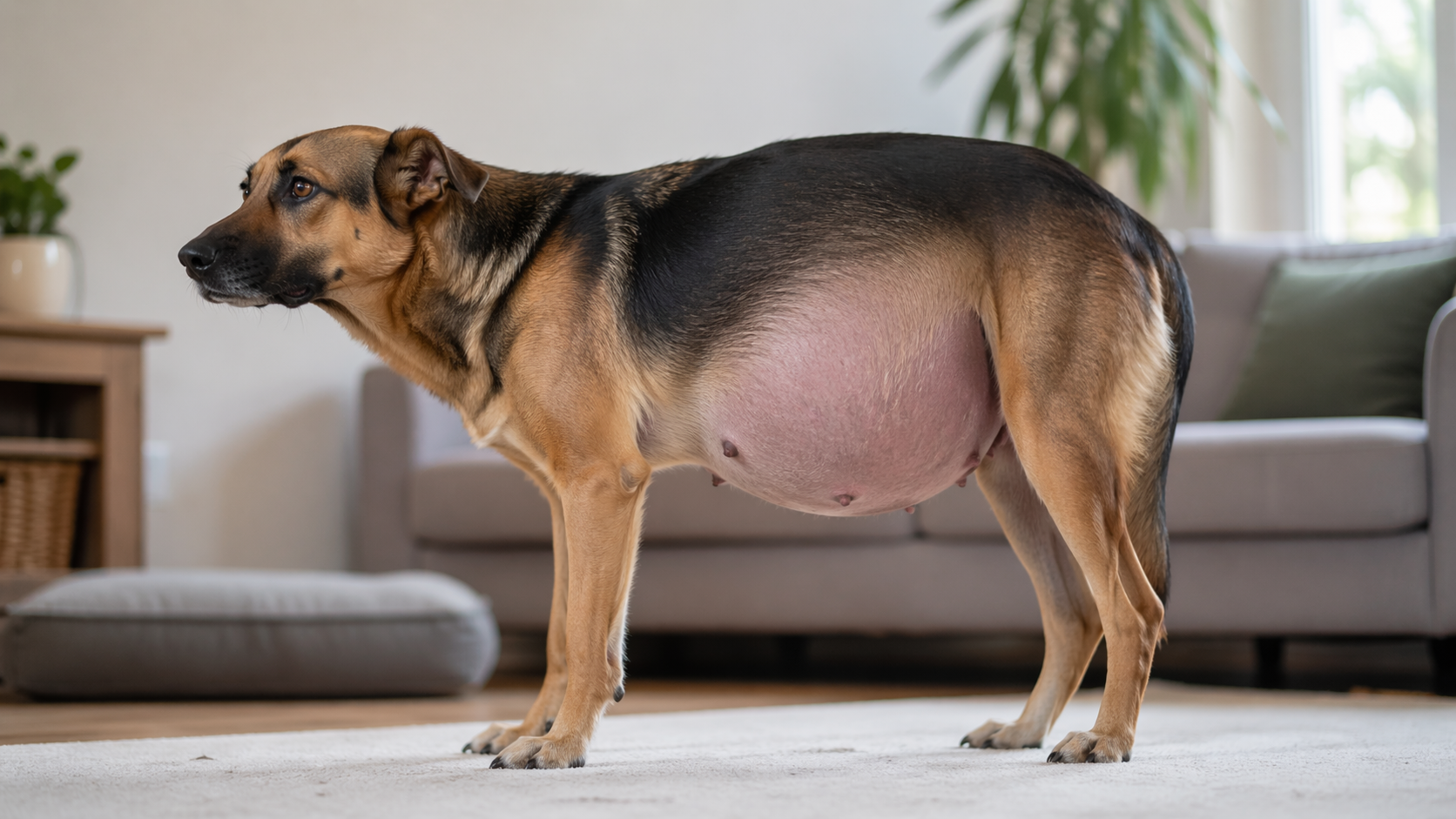
Your dog was resting comfortably an hour ago, but now something feels wrong. They are pacing restlessly, their belly looks tight, and they keep trying to vomit with no success. You might be wondering whether to wait until morning or head to an emergency vet in North Edmonton right away. In these moments, your quick thinking makes the difference. Gastric Dilatation-Volvulus (GDV), commonly known as bloat, is a severe medical crisis. Most pet owners aren't familiar with the symptoms of bloat in dogs, so they don't realize how quickly the window for treatment closes. While not every swollen belly is a crisis, knowing when to act can save your pet's life. The word "bloat" sounds like a simple stomach ache, but it is much more complex. Simple bloat occurs when the stomach fills with gas or food. While uncomfortable, it isn't always life-threatening. The danger starts when that distended stomach rotates. This twist, called volvulus, traps gas and cuts off blood flow to the stomach and other vital organs. This is a dog stomach bloated emergency because the body begins to fail rapidly as oxygen is cut off from tissues. GDV often appears manageable at first. Your pet might just seem slightly anxious or uncomfortable. However, internal damage occurs rapidly, making professional intervention vital. Early recognition is the key to a positive outcome. If you notice any of these signs, please contact our veterinary team right away. The stomach fills with trapped gas, causing the belly to look larger than usual, especially behind the ribs. If you touch the area, it may feel hard or drum-like. This swelling can occur within an hour. This is one of the most significant symptoms of bloat in dogs. Your pet may repeatedly try to vomit but only produce a small amount of foam or saliva. The twist in the stomach creates a physical block, preventing anything from coming up. Nausea and difficulty swallowing often lead to heavy drooling. You may also notice your dog cannot get comfortable. They might pace, lie down, and stand back up repeatedly as they struggle with internal pressure. As the condition worsens, your pet's heart rate will climb, and their breathing will become shallow. If you check their gums and they look pale or grey, their circulation is failing. This is a sign of advanced shock. With GDV, time is your pet’s greatest enemy. Research shows that survival rates are much higher when surgery is performed within the first 2 hours of symptom onset. When blood flow is cut off, the stomach tissue begins to die. Once this happens, the surgery becomes more difficult, and the risk to your furry family member increases. There are no home remedies for this condition; it requires immediate surgical correction by our veterinary team. While any dog can experience bloat, some are more prone to it than others: If you suspect your dog has GDV, your only goal is getting them to a veterinarian. However, how you handle the next few minutes matters. Follow these steps to ensure your pet arrives as safely as possible. While someone else starts the car, call our team or your nearest emergency vet in North Edmonton. This allows the medical staff to prepare the surgical suite and life-saving equipment before you even pull into the parking lot. Tell the clinic you are coming in with a suspected bloat case. Try to keep your dog as calm and still as possible. If your dog is large and can still walk, lead them slowly to the vehicle. For smaller dogs or those who have collapsed, lift them carefully while keeping their spine and abdomen as level as possible. Avoid putting any pressure on their stomach. Do not try to "decompress" the stomach yourself or give your dog any medications, water, or food. Some online resources suggest giving gas-relief tablets, but these are not effective for a twisted stomach and only waste precious time. Every second you spend is a second lost for professional treatment. It is easy to panic, but your dog needs you to arrive safely. Have a passenger monitor your dog's breathing and gum colour during the trip. If their gums turn blue or purple, or if they lose consciousness, call the vet clinic to notify them so they are ready for a critical arrival. Simple gas may pass, but you cannot tell the difference between gas and a deadly twist at home. Because GDV is fatal without surgery, we recommend treating all bloat symptoms as an emergency. Our experienced veterinarians will stabilize your pet, deflate the stomach, and then surgically untwist it. We also perform a gastropexy, which involves attaching the stomach to the body wall to prevent it from twisting again in the future. For high-risk breeds, we can perform a "tack" surgery during a routine Spay & Neuter procedure. This prevents the stomach from ever twisting, offering you peace of mind as your pet grows. Using slow-feeder bowls or puzzle toys can help prevent your pet from gulping down air and food too quickly, which may reduce the chance of simple distension. Most dogs stay in our hospital for a few days for monitoring. Once home, they need restricted activity for about two weeks while the incision heals. We may recommend smaller, more frequent meals and specific, easy-to-digest food during the initial recovery phase to keep the stomach stable. The most important thing to remember is that you don't need to be certain before seeking help. It is always better to have a false alarm than to wait too long. If you notice bloat symptoms in your dog, your pet needs to see an emergency vet immediately. If you are worried about your dog’s risk or want to discuss preventive care, contact us.Bloat in Dogs Symptoms: What Every Caregiver Needs to Know
What Is Bloat and Why Is It an Emergency?
Bloat in Dogs: Symptoms You Should Never Ignore
A Distended or Hard Abdomen
Unproductive Retching
Excessive Drooling and Restlessness
Rapid Breathing and Pale Gums
Why Every Minute Counts
Is Your Dog at High Risk?
What to Do While Heading to the Emergency Vet
Call Ahead Immediately
Minimize Movement
Skip the Home Remedies
Drive Safely but Directly
Frequently Asked Questions
Can Bloat Go Away On Its Own?
What Does The Surgery Involve?
What Is A Preventive Gastropexy?
How Can I Help My Dog Eat Slower?
Is The Recovery Period Long?
Will My Dog Need A Special Diet After Surgery?
Taking Action for Your Pet