
Menu
close
March 22, 2026
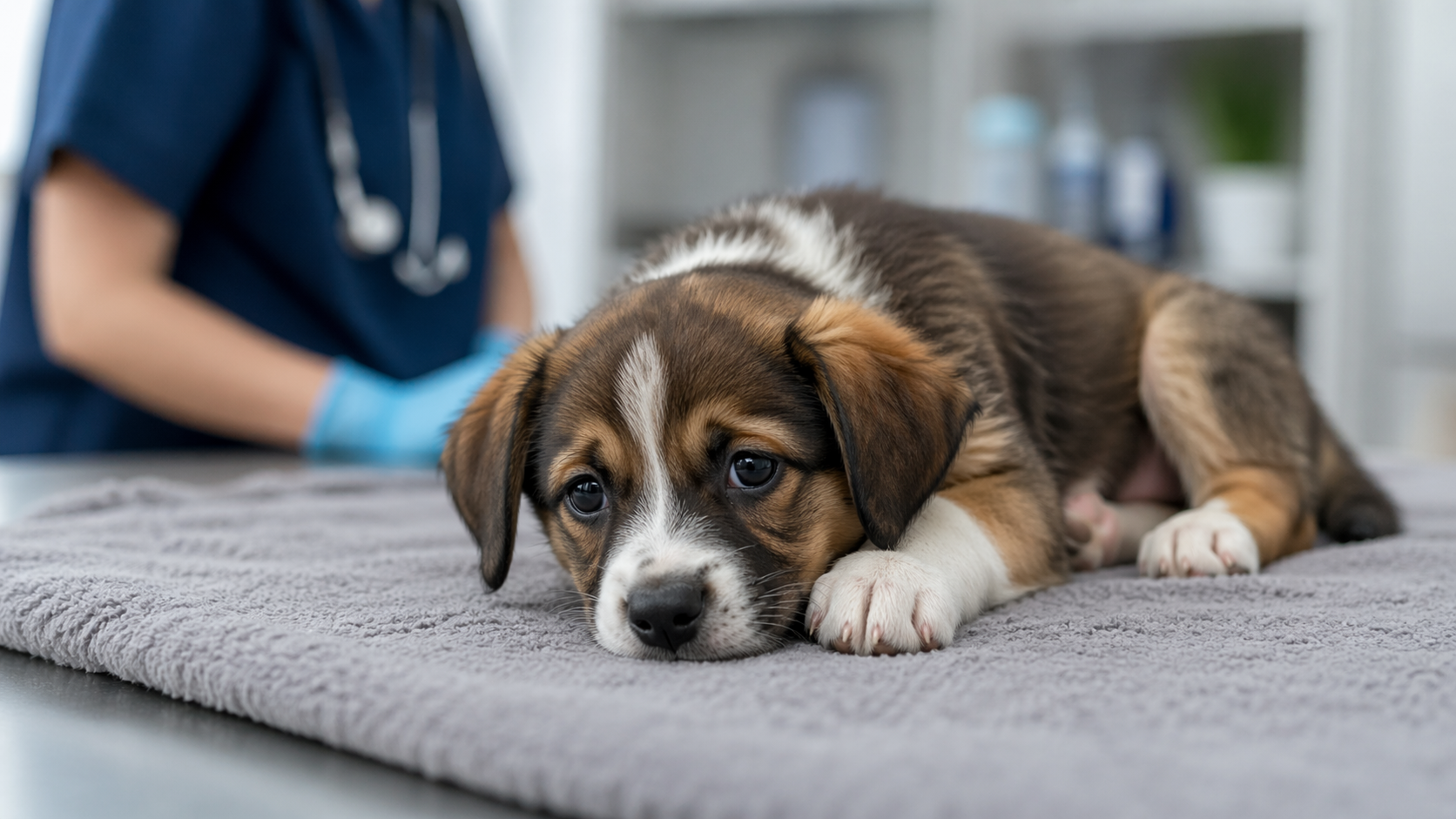
Bringing home a new puppy is a joyful experience. You probably spent days picking out the perfect toys and a cozy bed. However, a hidden danger called parvovirus can quickly turn that joy into worry. This virus is fast-moving and can be very dangerous for young dogs. Understanding how parvovirus works is the first step in keeping your puppy safe. If you notice your puppy acting tired or losing their appetite, it is important to act quickly. Early action is often the difference between a full recovery and a tragic outcome. Parvovirus in puppies is especially dangerous because it targets rapidly dividing cells. In a young, developing pup, these cells are primarily found in the bone marrow and the lining of the small intestine. Because puppies are constantly growing, the virus has more "targets" to attack. This is why they often become much sicker than adult dogs. Most cases of parvovirus occur in puppies between six weeks and six months of age. During this window, their immune systems are in a state of transition. When a puppy is first born, they receive "maternal antibodies" from their mother’s milk. These antibodies act like a temporary shield, protecting them from diseases. However, this shield does not last. As the puppy grows, these antibodies naturally fade, leaving them vulnerable to infection before their own immune system is strong enough to fight back. While any dog can catch the virus, certain breeds appear to be more susceptible to severe infections. These include: If you own one of these breeds, you should be extra cautious before they are fully vaccinated. Parvovirus is one of the most resilient viruses we encounter in veterinary medicine. It’s extremely hardy and can live in the environment for up to a year, surviving both freezing winters and summer heat. The virus spreads primarily through contact with infected feces, but the danger is that it is often invisible to the naked eye. Your puppy does not have to meet another dog to get sick. Because the virus is so stable, it can live on grass, leashes, and blankets. It also travels easily on surfaces like your shoes, clothing, or even car tires. This means you could inadvertently bring the virus into your home after walking through a public space where an infected dog had been weeks earlier. Since a small amount of the virus can cause a severe infection, managing your puppy's environment is vital. Keeping your puppy away from high-traffic areas like public parks, pet stores, and shared apartment green spaces until they are fully vaccinated is a smart way to reduce their risk. Until their immune system is ready, stick to private yards or indoor playdates with dogs you know are healthy and up to date on their shots. Knowing the early signs can save your puppy’s life. The virus attacks the stomach and bone marrow, leading to several clear symptoms. Watch for these parvo symptoms in dogs: If you see these signs, contact a veterinarian immediately. Waiting even a few hours can make treatment much more difficult. There is no single medicine that kills the virus. Instead, canine parvovirus treatment focuses on supporting the puppy’s body while it fights back. Most puppies require hospital care, which includes: The puppy parvo survival rate depends heavily on how fast they receive care. Without treatment, nearly 90% of puppies do not survive. However, with aggressive hospital care, that number flips, and 70% to 90% of puppies can recover. The first five days of treatment are the most critical. If a puppy makes it through this window, their chances of a full recovery are very high. The best way to deal with parvovirus is to prevent it from ever happening. Start your puppy’s vaccination series as soon as possible. You can also: Yes. The virus is very tough and can live in soil for months or even a year. Your puppy can pick it up just by sniffing or licking a contaminated area. Symptoms usually appear within 3 to 7 days after a puppy is exposed to the virus. However, it can sometimes take up to two weeks. No. Humans cannot catch canine parvovirus. While cats have their own version of the virus, they do not catch the specific strain that affects dogs. It is very rare. Most dogs that survive the virus build a strong immunity that lasts for many years. However, staying up to date on boosters is still recommended. Yes, but it must be used correctly. A 1:30 dilution of bleach and water is effective if it stays wet on a hard surface for at least 10 minutes. One shot provides some protection, but not full immunity. It is safest to wait until two weeks after the final shot in the series before visiting public parks. Protecting your puppy starts with the right information and a solid health plan. If you have questions about vaccinations or think your puppy might be showing symptoms, our team is here to help.Parvovirus in Puppies: Signs, Treatments, and Prevention Tips
Why Puppies Are at High Risk
Breeds with Higher Risks
How the Virus Spreads
Recognizing Parvo Symptoms in Dogs
Options for Canine Parvovirus Treatment
Understanding the Puppy Parvo Survival Rate
Effective Prevention Tips
Frequently Asked Questions About Parvovirus In Puppies
Can My Puppy Get Parvo From The Grass?
How Long After Exposure Do Symptoms Start?
Is Parvo Contagious To Humans Or Cats?
Can A Puppy Get Parvo Twice?
Does Bleach Really Kill The Virus?
Can My Puppy Go Outside After Just One Shot?
Schedule an exam today.