
Menu
close
March 17, 2026
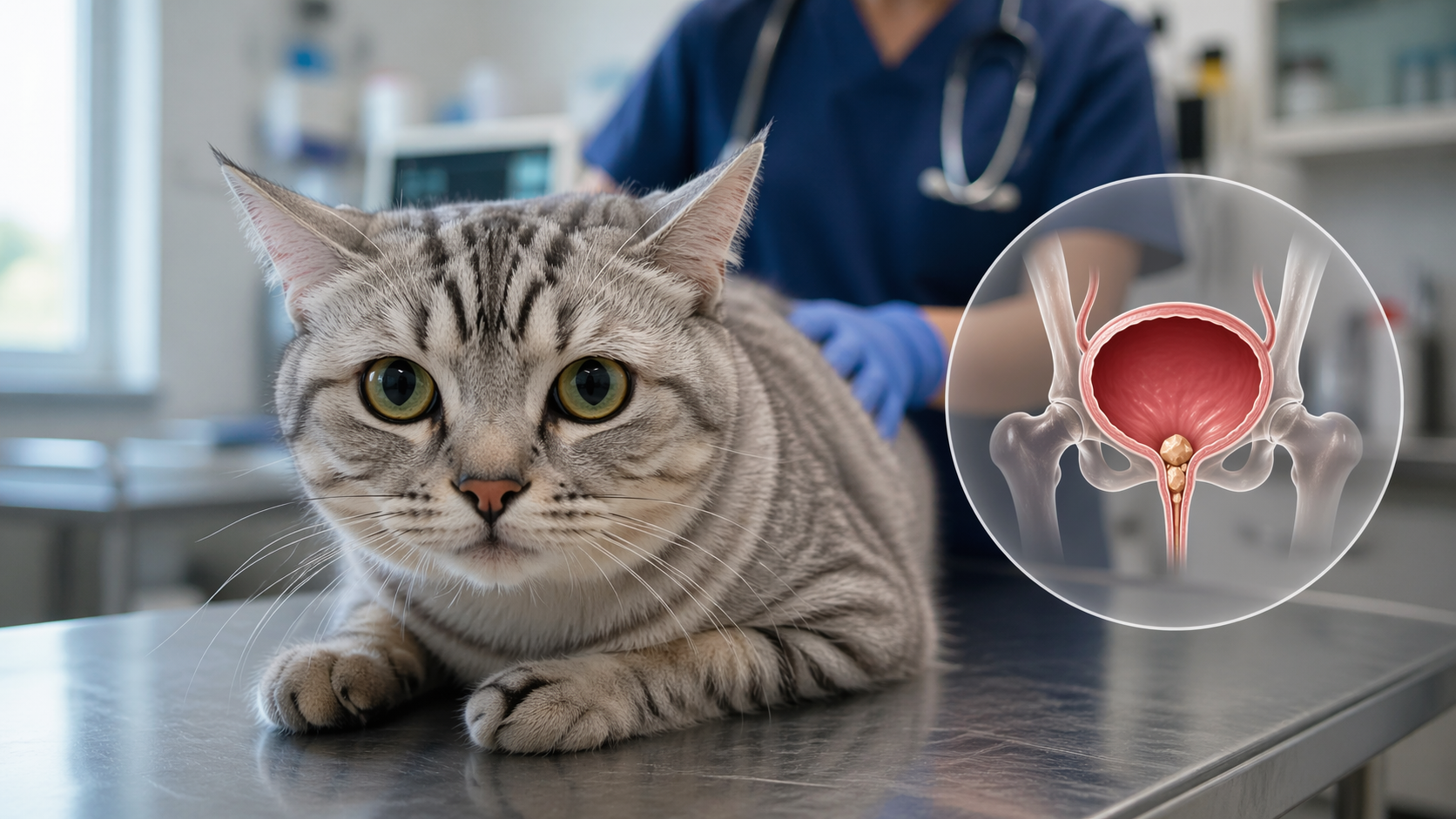
Your cat is in the litter box again. It’s the third time in twenty minutes. He's straining, crying out, but not producing anything at all or very little. You tell yourself he might just be constipated. You decide to wait until morning. That decision could cost him his life. Urinary blockage in cats is not a wait-and-see situation. It’s a genuine medical emergency where hours, sometimes less, separate a treatable condition from organ failure and death. Unlike many health concerns that allow time for observation, a blocked cat requires immediate intervention. There’s no home remedy; no safe window to monitor symptoms overnight. Recognizing this emergency and acting fast is the most important thing you can do. Everything else (the treatment, recovery, and future prevention) depends on that first critical decision to seek help immediately. To understand why this condition is so dangerous, you need to know what’s happening inside your cat's body. A urinary blockage occurs when something physically prevents urine from passing through the urethra (the tube that carries urine from the bladder out of the body). The obstruction might be: When urine cannot exit, the bladder fills and keeps filling. Pressure builds. Within hours, that pressure damages the kidneys. Toxins that should be eliminated through urination, particularly potassium, start accumulating in the bloodstream. This is why it is fatal. Elevated potassium levels directly affect heart function. A cat with urinary obstruction can develop fatal heart rhythms within 24 to 48 hours. Some cats deteriorate even faster. The bladder is also at risk. If it stretches too far, the wall can be permanently damaged. In severe cases, the bladder can rupture. This is not a gradual decline. A cat who seems merely uncomfortable in the evening can be in critical condition by morning. Male cat urinary emergency situations are far more common than female ones. While female cats can develop urinary issues, complete blockages are rare for them. The anatomy explains why. Male cats have a long, narrow urethra. It includes a particularly tight section called the penile urethra. This narrow passage gets blocked easily by material that would pass through a female cat's shorter, wider urethra. The challenge is that early symptoms can look like less serious conditions. However, if you see these signs, do not hesitate. Call us immediately. Call 780-705-2131! If you observe persistent straining with no urine production, do not wait. This is exactly the situation our emergency care team prepares for every day. Understanding the underlying causes helps explain both treatment and prevention. This umbrella term covers several conditions affecting the bladder and urethra. Many blocked cats have a history of urinary issues, though blockages can also occur without prior warning. Minerals in urine can form crystals, which may clump together into plugs or develop into actual stones. The most common types are struvite and calcium oxalate. Diet, urine pH, hydration status, and genetics all influence crystal formation. These are accumulations of mucus, inflammatory cells, and crystalline material that form a paste-like obstruction. They're the most common cause of blockage in male cats. Scar tissue from previous inflammation, infection, or catheterization can narrow the urethra, predisposing cats to obstruction. This factor surprises many owners. Stress triggers inflammatory changes in the bladder, a condition called feline idiopathic cystitis. A stressed cat produces inflammatory debris that can contribute to blockage. Moving house, a new pet, changes in routine, or conflict with other cats can all be triggers. Overweight cats who don't move much also don't drink much. Concentrated urine is more likely to form crystals. Cats evolved as desert animals and have a naturally low thirst drive. Many cats, especially those eating only dry food, live in a state of mild chronic dehydration. When a blocked cat arrives at Oxford Animal Hospital, treatment begins immediately. The first priority is assessing how sick your cat is. If potassium levels are dangerously high, specific treatments protect the heart while the underlying blockage is addressed. Under sedation or general anesthesia, we carefully pass a urinary catheter through the urethra to flush out the blockage. This requires precision. The urethra is delicate, and we must avoid causing further swelling. Once the blockage is cleared, urine flows. The relief is immediate. The catheter typically stays in place for 24 to 72 hours. This keeps the urethra open while inflammation goes down. Most blocked cats stay with us for a few days. We monitor urine production, manage pain, and ensure kidney values return to normal. Our diagnostic services enable us to track your cat's recovery in real-time. Some cats block repeatedly despite medical management. For these patients, we may recommend a surgery called Perineal Urethrostomy (PU). This procedure creates a wider opening for urination. It dramatically reduces the risk of future blockages. Urinary blockages in cats can’t really be prevented. Some cats have anatomy or metabolism that predisposes them to obstruction regardless of management. But for many cats, the risk can be significantly reduced. Pain medications, anti-inflammatories, antispasmodics, and possibly antibiotics will likely go home with your cat. Administer these exactly as prescribed, even if your cat seems to feel better. For the first few weeks, you need to know how often your cat urinates, whether he strains, and approximately how much he produces. Some owners find it helpful to use non-clumping litter temporarily to observe urine volume. Diluted urine is protective urine. Crystals can’t form as easily when urine is less concentrated. For cats with a history of crystals or blockage, therapeutic urinary diets can be genuinely protective. These foods manage urine pH and mineral content to discourage crystal formation. We can recommend the appropriate formula based on your cat's specific crystal type. However, if a prescription urinary diet is recommended, use it exclusively. Well-meaning treats or table scraps can undermine the diet's protective effects. Overweight cats are at higher risk. If your cat needs to lose weight, work with your Edmonton animal experts to develop a safe, gradual weight loss plan. Environmental stress contributes to feline urinary problems more than most owners realize. Ensure adequate resources in multi-cat homes. One litter box per cat plus one extra, separate feeding stations, and multiple resting areas. Vertical space, like cat trees and shelves to climb, also reduces conflict. Cats thrive on predictability, so where possible, maintain routines. Consider pheromone products for anxious cats, particularly during known stressors like moves or renovations. The best thing you can do for your feline is to take them for regular vet check-ups. This becomes even more important if your cat’s already had a blocked urinary tract, has a serious illness, or is 9+ years old. We must recheck urine, monitor for crystals, and ensure the bladder and kidneys have recovered fully. It can be fatal within 24 to 48 hours, sometimes sooner. The toxin buildup happens quickly. If a cat can’t urinate for more than 24 hours, they’re in a critical state. No. A complete obstruction will not resolve on its own. It’s a mechanical blockage that requires medical intervention. Waiting to see if he "passes it" puts your cat at risk of bladder rupture and cardiac arrest. Costs vary based on the severity. It typically involves emergency fees, anesthesia, catheterization, lab work, and several days of hospitalization. These can push costs to over a thousand dollars, sometimes more if your cat is critically ill or requires surgery. It’s a significant medical event. However, the alternative is fatal. We can discuss estimates clearly with you upon arrival. No treatment will be given without your consent. Recurrence is common (30 to 40% of cats). It usually happens because of underlying crystal formation or stress-induced inflammation. This is why prevention strategies, particularly hydration and dietary management, are so critical. Generally, wet food is better because it provides hydration. Dry food can lead to more concentrated urine. If you want to feed dry food, speak to us about specific urinary foods. Urinary blockage is one of the clearest examples of why knowing your cat matters. The cat who visits the litter box repeatedly without success is telling you he needs help. Trust that instinct. We would far rather see your cat early, when treatment is straightforward, than face a critically ill patient hours later. At Oxford Animal Hospital, we understand that emergencies don’t fit neatly into schedules. If you notice any blocked cat symptoms, do not wait. Call 780-705-2131 Immediately. Disclaimer: The information in this blog is for educational purposes only and is not a substitute for professional veterinary advice. For any health concerns regarding your pet, please schedule an appointment with our veterinary team.What Happens During a Urinary Blockage?
Why Male Cats Face a Higher Risk
Blocked Cat Symptoms You Can’t Ignore
Why Feline Urinary Obstruction Happens
Feline Lower Urinary Tract Disease (FLUTD)
Urinary Crystals and Stones
Urethral Plugs
Urethral Strictures
Stress
Obesity and Sedentary Lifestyle
Inadequate Water Intake
Emergency Treatment: What Happens at the Clinic
Initial Stabilization
Relieving the Obstruction
Hospitalization and Monitoring
When Surgery Is Necessary
Recovery and At-Home Care
Medication Matters
Monitor Litter Box Habits Closely
Encourage Water Intake Aggressively
Prescription Diets
Maintain a Healthy Weight
Manage Stress
Keep Appointments
Frequently Asked Questions About Feline Urinary Blockage
How quickly can a urinary blockage be fatal?
Can a blocked cat unblock himself?
How much does treating a urinary blockage cost?
Will my cat block again after treatment?
Is dry food bad for cats with urinary issues?
When Every Minute Counts