
Menu
close
March 31, 2026
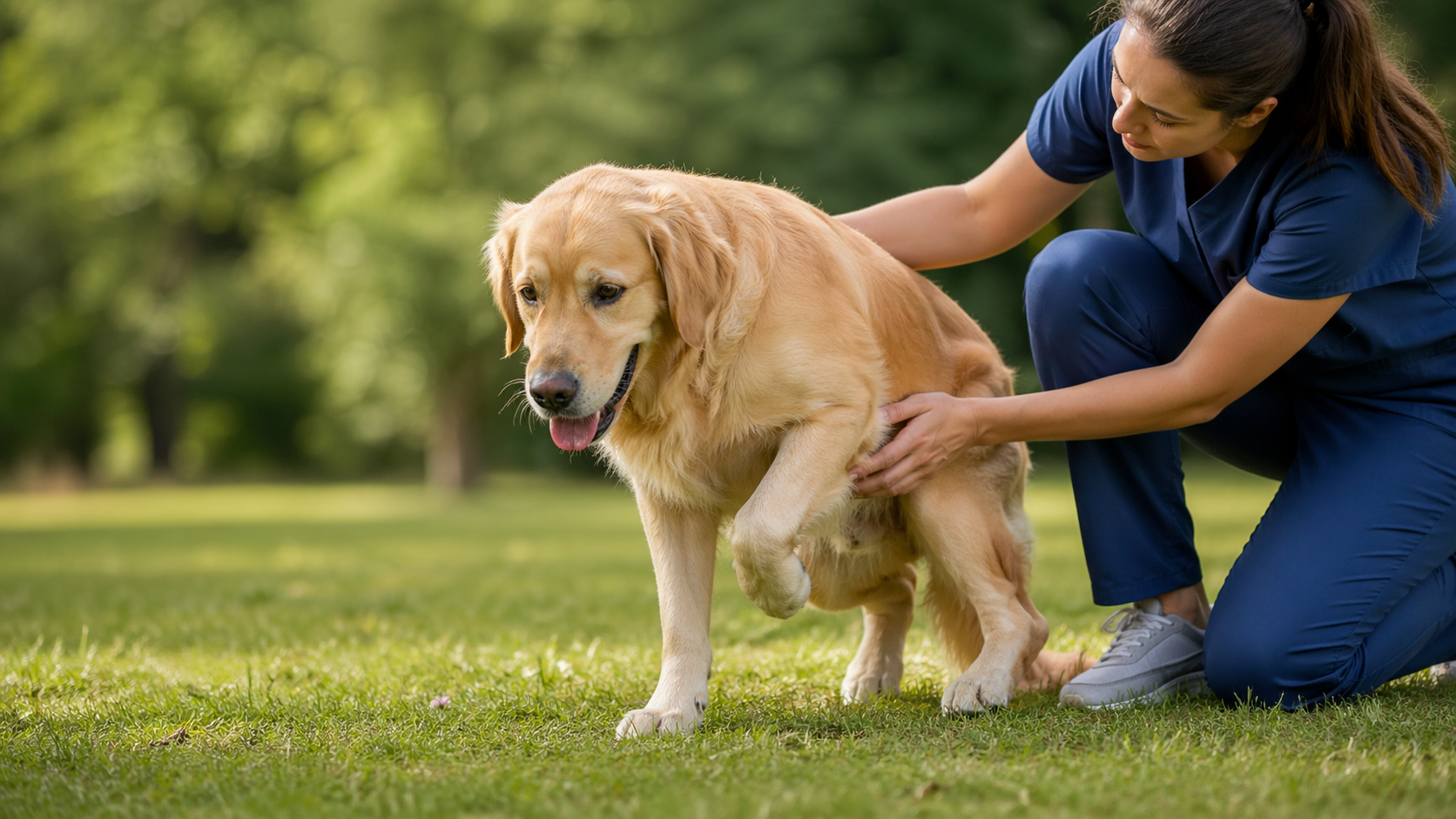
Your dog was running across the yard, enjoying the fresh Edmonton air just like always. Then, a sudden yelp changed everything. Now they are holding up a back leg, looking at you with confusion and discomfort. This moment feels overwhelming for any pet owner. You likely have many questions about whether they broke a bone, whether they need surgery, and how long the healing process will take. A torn ACL in dogs, also called a cranial cruciate ligament (CCL) tear, is a very common injury. While it may feel sudden, the ligament often weakens over time before finally giving out. Understanding what is happening inside your pet's knee helps you make the best decisions for their long-term health. Before discussing injuries, it helps to know how a healthy knee works. The cranial cruciate ligament sits deep inside your dog's knee joint. It connects the thigh bone to the shin bone. This ligament has two vital jobs. It prevents the shin bone from sliding forward and stabilizes the knee during walking and running. When this ligament tears, the bones no longer stay in place. Every step creates abnormal motion that can cause inflammation and quickly lead to arthritis. Dogs do not heal from this the same way humans do because they cannot easily stay off the leg. Without intervention, joint damage usually continues to worsen. Many people think a torn ACL in dogs only happens during a rough fall. While accidents do occur, most cases come from gradual wear and tear. Several factors can put your pet at a higher risk: If your dog tears the ligament in one knee, there is a high chance the other knee will eventually face the same issue. This is why we focus so much on preventative care and weight management at Oxford Animal Hospital. The symptoms of a dog's knee injury depend on whether the tear is partial or complete. A complete rupture is usually easy to spot. Your dog will likely hold the leg off the ground entirely. You might notice swelling around the knee or see them sitting with the leg kicked out to the side rather than tucked in. These are more subtle and can be harder to identify. You might notice: If your pet is not putting weight on their leg, they need a prompt physical exam. Determining the cause quickly allows our veterinary team to start the right treatment plan. To diagnose a torn ACL in dogs, we perform specific movements to check for joint instability. We may also use X-rays to look for swelling or signs of arthritis. For most medium and large pets, surgery is the most effective way to restore movement. Common options include: If you are looking into dog surgery in Edmonton, our team is here to explain these options in simple terms. We want you to feel empowered to make the best choice for your furry family member. Recovery is a marathon, not a sprint. Your pet will need strict rest for the first few weeks. This means short leash walks for bathroom breaks only and no jumping or running. By the second month, we often begin gradual increases in activity. Physical therapy can be a wonderful tool during this stage to help rebuild muscle. Full recovery usually takes four to six months. Your patience during this time is the best gift you can give your pet. Small pets under 10 kilograms sometimes manage with rest and medication, but they often develop permanent stiffness. For larger dogs, surgery is almost always needed to prevent severe, painful arthritis. If your dog's limp becomes more consistent or they stop using the leg entirely, the tear has likely progressed. Early intervention helps prevent cartilage damage. Supplements like glucosamine or Omega-3 fatty acids support joint health, but they can’t fix a torn ligament. We recommend them as part of a long-term plan to manage arthritis. When a dog has a sore knee, they often sit with the leg pointed out to the side because bending it fully is painful. If you notice this new sitting posture, it is a sign of knee discomfort. While you cannot change genetics, keeping your pet at a healthy weight is the most effective way to protect their joints. Regular, low-impact exercise also helps keep the supporting muscles strong. Yes. Joint instability causes bones to rub together incorrectly, wearing down cartilage and leading to inflammation. While surgery slows this process, most dogs with this injury develop some arthritis as they age. Early treatment and weight management are the best ways to keep your pet comfortable. Knee braces provide external support but cannot replace the internal stability of a healthy ligament. They are often difficult to fit and may offer a false sense of security. We typically only suggest braces for pets who aren't surgical candidates. Please consult us before using one to ensure it doesn't cause further harm. Dealing with a torn ACL in dogs is challenging, but you do not have to do it alone. Our goal is to provide the compassionate, expert care your pet deserves to get back on their paws. If you notice your pet limping or showing signs of discomfort, we can help. Schedule an appointment with us today to discuss a personalized care plan for your pet.Torn ACL in Dogs: Surgery, Recovery, and Long-Term Care
Understanding the Cranial Cruciate Ligament
Why Dog Knee Injuries Happen
Signs of a Dog Knee Injury
Complete Tears
Partial Tears
Diagnosis and Treatment Options
Choosing the Right Path
Supporting Your Pet Through Recovery
Frequently Asked Questions
Can a Dog Recover Without Surgery?
How Do I Know if the Tear Is Getting Worse?
Are Joint Supplements Helpful?
What Is the "Sit Test" for Dogs?
Can I Prevent the Other Knee From Tearing?
Does a Torn ACL in Dogs Cause Long-Term Arthritis?
Is It Safe to Use a Knee Brace Instead of Surgery?
A Reliable Partner in Your Pet's Health