
Menu
close
June 30, 2025
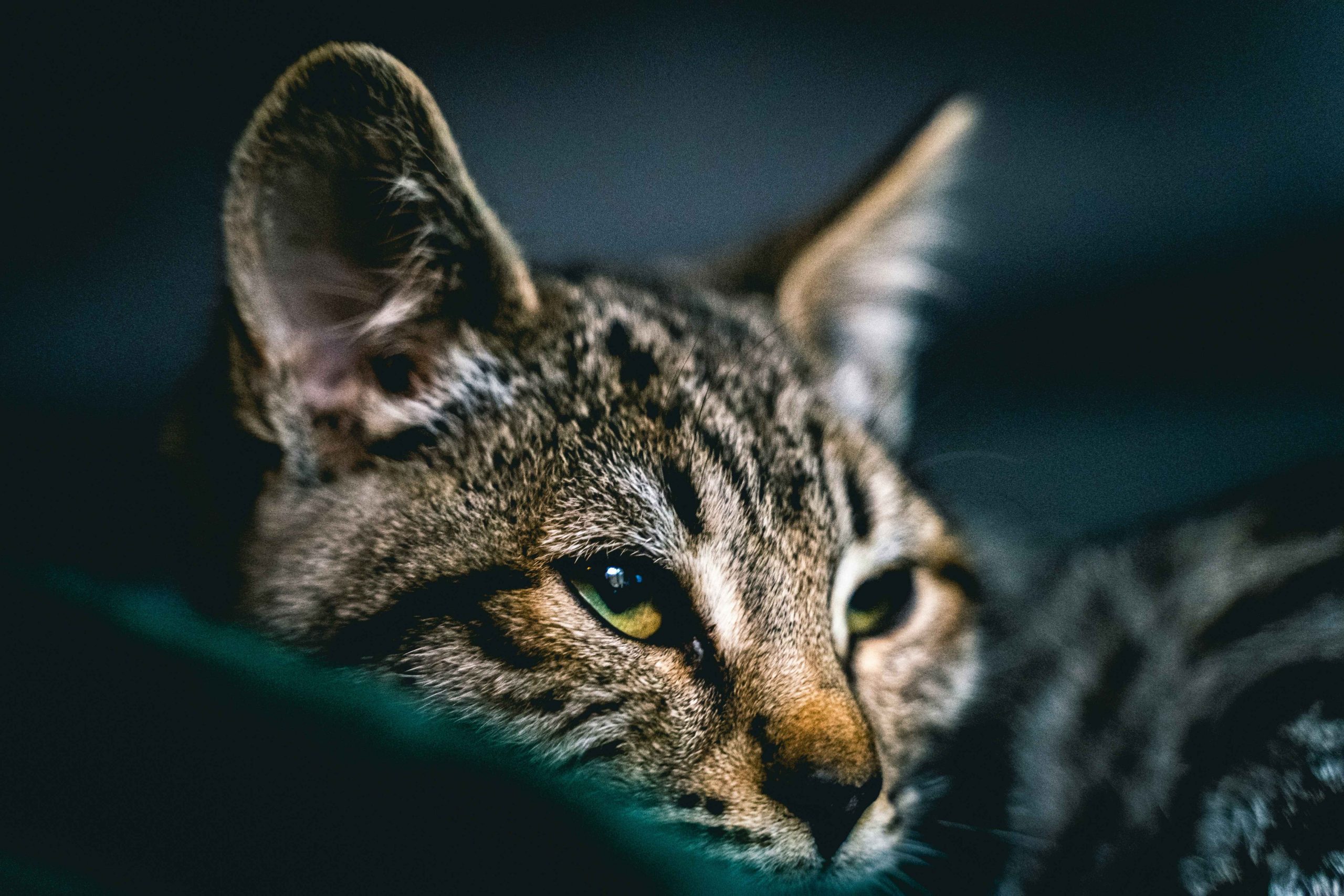
With its stunning spotted coat and long, elegant legs, the Savannah cat is one of the most striking and captivating felines you will ever see. This beautiful animal is a domestic hybrid breed, originating from a cross between a domestic cat and a wild African Serval. Its unique heritage gives the Savannah its exotic appearance and a personality that is unlike any other house cat. But before you bring this beauty home with you, there are a few things you ought to know, like: Don't worry; Oxford Animal Hospital is answering all those and more! When researching this breed, you will immediately encounter terms like F1 Savannah cat or F2 Savannah cat. No, the F1, F2, etc., do not indicate their Grand Prix racing style. This "F" stands for filial generation. It indicates how many generations removed the cat is from its wild Serval ancestor. Understanding these Savannah cat differences is one of the most important factors in choosing the right pet. This is a first-generation cat, a direct offspring of a Serval and a domestic cat. A full-grown F1 Savannah cat is the largest generation, often weighing up to 11 kg or more. It retains the most significant Serval characteristics in both size and temperament. They require the most specialized care. The grandchild of a Serval (an F1 parent crossed with a domestic cat). They are still large and have a strong wild heritage that influences their behaviour. However, they are more domesticated than F1 Savannah cats. With each subsequent generation, the percentage of Serval genetics decreases. These cats are generally smaller, more predictable, and their temperament more closely resembles that of a typical domestic cat. The higher the filial number, the more domestic the cat's behaviour tends to be. A full-grown Savannah cat from an F5 generation will be much more manageable for the average pet owner than an F1. Savannah cats are known for being incredibly intelligent, intensely curious, and loyal. Many owners describe their personality as "dog-like." They form powerful bonds with their families, can be taught to walk on a leash, and some even enjoy playing fetch and being in the water. This high intelligence means they require significant mental stimulation. Without enough interactive play, puzzle toys, and engagement, a bored Savannah can become destructive. They are also high-energy animals that need room to run, jump, and explore to be happy and healthy. Savannah cats typically get along well with other pets and children if properly socialized from a young age. This is a critical question for any potential owner. Due to their hybrid nature, the ownership of Savannah cats is regulated in many areas. So, it's always best to check the specific bylaws in your city or town. It is illegal to own an F1 to F3 generation Savannah cat in Alberta. However, you may own a Savannah cat as long as it's a F4, F5, F6, or higher generation cat. For these generations, you don't need a permit, but normal pet registration regulations still apply. It's also best to buy your Savannah from a reputable breeder. They will guide you through all the needed admin, and you'll be working against illegal breeding operations. Properly caring for a Savannah means meeting their unique needs. While generally a robust breed, Savannah cats require a veterinarian who understands the nuances of hybrid animals. Their unique physiology demands a knowledgeable approach to their health. Finding experienced veterinary care is essential. The Oxford Animal Hospital team has the expertise to provide specialized services for unique pets in the Edmonton area. Comprehensive care for a Savannah cat includes: The ideal Savannah owner is experienced, patient, and prepared to invest significant time and resources into their pet. You need to be able to provide an enriching environment and meet their high demands for social interaction and exercise. They are often not the best choice for first-time cat owners. Owning a Savannah cat can be a wonderfully rewarding experience, but it begins with respecting their heritage and understanding their specialized needs. They can be remarkable companions for kids of all ages, but, as we said, these cats must be well-socialized. However, it's always best to supervise your kitten and kids if it's a new kitten or your child is still a toddler, just until your child is old enough to understand boundaries and your Savannah has fully settled. If you're considering adding one to your family or need expert care for your unique pet, our team is here to help. Disclaimer: The information in this blog is for educational purposes only and is not a substitute for professional veterinary advice. For any health concerns regarding your pet, please schedule an appointment with our veterinary team.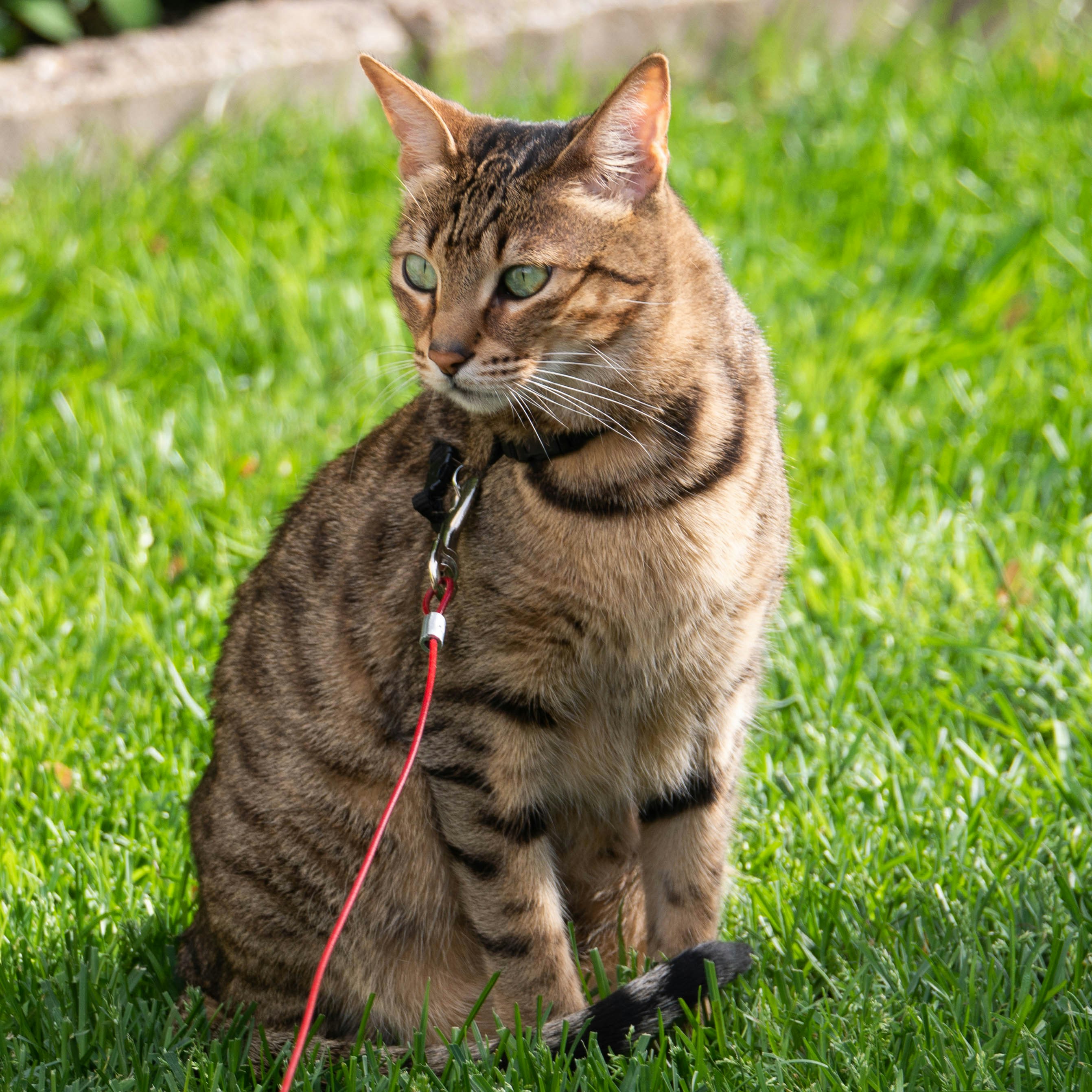
Savannah Cat Differences: F1, F2, F3, and Beyond
F1 Savannah Cat
F2 Savannah Cat
F3, F4, and F5 Generations
The Savannah Cat Temperament: Dog-Like and Demanding
Are Savannah Cats Legal in Alberta?
Caring for Your Savannah Cat
Diet, Exercise, and Environment
Health and Veterinary Needs of a Hybrid Cat
Is a Savannah Cat Right for You?
Schedule an appointment today.