
Menu
close
June 12, 2026
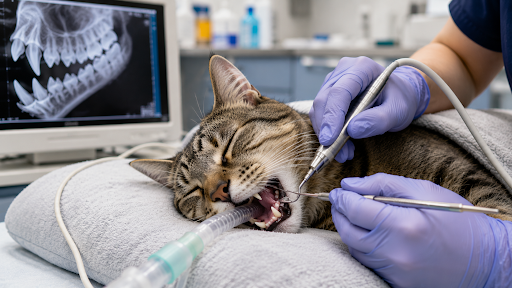
TL;DR: Wondering what happens during pet dental cleaning at our Edmonton clinic? This routine procedure involves a full physical exam, bloodwork, and safe general anesthesia. Our veterinary team takes detailed digital X-rays, scales away harmful tartar above and below the gumline, and polishes the teeth to protect your pet from hidden, painful infections. Most pet owners who ask us about dental checkups aren't just looking for shiny teeth. They're asking a much more important question: Is this procedure safe for my beloved companion? That worry is completely normal. The thought of putting your dog or cat under anesthesia can feel incredibly daunting. However, leaving dental disease untreated carries a much higher risk to their long-term health. We want you to feel confident in your companion's care. Let's walk through exactly what happens during pet dental cleaning so you can make an informed decision for your furry family member. What we’ll cover: You brush your own teeth every day, yet you still visit a human dentist for deep cleanings. The same rule applies to our pets. The major difference is that most pets don't brush daily, meaning bacteria, plaque, and tartar build up much faster. Tartar is a rock-hard matrix of bacteria. Once it glues itself to the enamel, toothbrushing or dental chews won't budge it. It creeps under the gumline, destroying the bone and tissue that support the teeth. According to studies, most dogs and cats show signs of oral disease by age three. Pets are masters at hiding chronic pain, so you might not even realize they're hurting. A professional cleaning treats the disease you can't see. Every visit to our hospital starts with a head-to-tail physical exam. We listen closely to your pet's heart and lungs to verify they're ready for the procedure. If we find any reason for concern, we'll delay the cleaning until it's completely safe to proceed. We highly recommend blood screening before any anesthetic event. This bloodwork provides a window into your pet, showing how well their liver and kidneys function. Since these organs process the medication, we want to ensure they're working beautifully before we begin. This part of the pet dental cleaning process often causes the most anxiety for caregivers, so let's speak openly about it. You might see advertisements for "anesthesia-free" teeth scraping. We don't perform these, and major veterinary dental colleges actively warn against them. An awake pet will not let us scrape under the sensitive gums where the real damage hides. They won't sit still for digital X-rays, and the sharp instruments can easily slip and cut their mouths. Cosmetic scraping makes teeth look white, but it leaves active infections completely untouched. Veterinary anesthesia is incredibly advanced and safe. We build a custom plan based on your pet's breed, age, and weight. While our experienced veterinarians work, a dedicated technician continuously monitors your pet's vital signs. We track blood pressure, oxygen levels, heart rhythms, and temperature. Your pet rests on specialized warming blankets and receives continuous IV fluids to keep them stable and hydrated. Once your pet is resting peacefully, our team gets to work on the actual dog dental cleaning procedure or cat dental cleaning procedure. We use a small periodontal probe to check every single tooth. We measure pockets in the gums, look for fractures, and chart our findings on a personalized dental map. Nearly 60% of dental disease lives entirely hidden beneath the gumline. We use digital X-rays to see the tooth roots and jawbone. This step allows us to spot hidden abscesses or painful root loss before they cause a major health crisis. We use an ultrasonic scaler to remove hardened tartar. This tool uses gentle vibrations and a cool water mist to clean the crown and the spaces beneath the gums. Next, we polish the enamel to smooth out microscopic grooves, which stops new bacteria from sticking easily. Sometimes, our X-rays reveal a tooth that is deeply infected, broken, or dead. Leaving a dying tooth in place causes non-stop pain and allows bacteria to leak into your pet's bloodstream, which can damage their heart and kidneys over time. If our experienced veterinarians discover that an extraction is necessary, we'll call you immediately to discuss the plan. We use local nerve-blocking injections so your pet won't feel a thing, even as they wake up. We close the tiny space with dissolvable stitches that disappear on their own. Pets actually adapt beautifully after an extraction. Because they're no longer suffering from a throbbing toothache, they typically eat much better once the area heals! Your pet stays with us in a warm recovery ward until they're fully awake and alert. When you pick up your pet, they'll likely be a little groggy or quiet. This mild sleepiness disappears within 24 hours. We'll provide clear home instructions, soft food tips, and any needed pain medication to keep them comfortable. Feel free to browse our client testimonials to see how quickly other Edmonton pets have bounced back after their surgery days! Most dogs and cats benefit from professional cleaning once a year, but small breeds often need it more frequently. We'll check your pet's teeth at every regular checkup and give you an honest recommendation. Yes. Bad breath is a common warning sign, but advanced dental disease often hides completely out of sight beneath the gums. Regular veterinary exams catch these hidden problems before they cause severe pain. Home care is fantastic for slowing the buildup of new plaque, but it can't dissolve rock-hard tartar once it forms. Think of home brushing as daily maintenance and our professional cleanings as the necessary deep clean. The safety steps, X-rays, and scaling tools are very similar. However, cats are particularly prone to a painful condition called tooth resorption, in which the body dissolves the tooth root. This requires highly specialized feline care. Routine scaling and polishing cause no pain. If your pet requires a tooth extraction, we use long-lasting local numbing blocks and send you home with safe pain medications to ensure they rest comfortably. Is it time for your pet's checkup? Request an appointment with our compassionate veterinary team today, or contact us to ask any questions! Disclaimer: The information in this blog is for educational purposes only and is not a substitute for professional veterinary advice. For any health concerns regarding your pet, please schedule an appointment with our veterinary team.
Cleanings vs. Brushing: The Difference
The Pre-Cleaning Preparation
The Physical Examination
Pre-Anesthetic Bloodwork
Understanding Anesthesia Safety
Why Awake Cleanings Don't Work
How We Protect Your Furry Family Member
Step-by-Step: The Deep Cleaning Procedure
1. Detailed Oral Examination
2. Digital Dental X-Rays
3. Ultrasonic Scaling and Polishing
When a Tooth Cannot Be Saved
Heading Home: Comfort and Recovery
What to Expect
Common Questions About Pet Dental Cleanings
How Often Should My Pet Get a Professional Dental Cleaning?
My Pet's Teeth Look Clean. Do They Still Need an Exam?
Can I Just Use Dental Chews or Brush Their Teeth at Home?
What Is the Main Difference Between a Dog and Cat Dental Procedure?
Will My Pet Be in Pain After the Cleaning?
A Healthier Life for Your Pet