
Menu
close
June 17, 2026
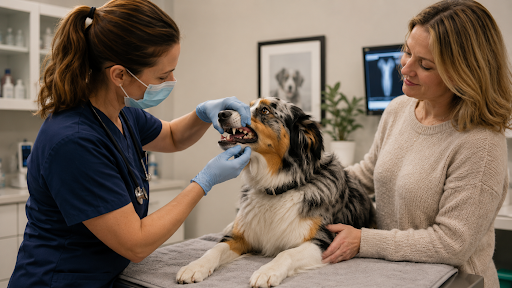
TL;DR: Is a smelly yawn from your pup making you back away? Persistent dog bad breath is rarely just about a messy meal. It's usually a clear sign of plaque, tartar, or the early stages of dental disease beneath the gumline. Catching these signs early keeps your furry family member comfortable and protects their vital organs from harmful bacteria. We have all been there. Your dog bounds up to you, pants happily in your face, and you instantly step back. That sharp, foul smell is impossible to miss. It’s easy to laugh off "dog breath" as a normal part of living with a pet. Persistent dog bad breath isn't normal. It's a clear warning sign. Most of the time, it tells you that something painful is happening inside your dog's mouth where you can't see it. We aren't here to make you feel bad for missing the signs. Our goal is to give you the exact tools you need to spot when a bad smell becomes a real health issue. What we'll break down: When you notice a foul smell, you might think your pup just raided the kitchen garbage. Sometimes that is true! Dogs love to explore with their mouths, and a temporary stink isn't a major worry. But if you are asking, "Why does my dog have bad breath every single day?" The answer is different. Your dog’s mouth naturally hosts millions of bacteria. When things are healthy, saliva and chewing help wash away food scraps. Problems start when bacteria multiply too quickly, sticking to teeth to form soft plaque. Within days, this film hardens into a rocky, yellowish-brown substance called tartar along the gumline. Once tartar forms, a standard toothbrush cannot remove it; professional veterinary tools are required. This tartar buildup acts like a magnet for more bacteria, irritating the gums and causing redness, swelling, or bleeding. As the gums swell, they lift away from the teeth, creating dark, tiny pockets. Bad bacteria thrive in these hidden spaces, releasing the foul sulphur gases you smell during playtime. That odour does not come from your pup's stomach; it comes directly from active decay in the mouth. We know how easy it's to put off a dental checkup. Unlike a limp or a visible wound, dog bad breath and dental diseases hide out of sight. Dogs are also experts at hiding their pain. It’s an old survival instinct that keeps them from looking vulnerable, but it makes it hard for caregivers to know when they are hurting. A dog with deep oral infections will often keep eating their kibble. They will still fetch their ball and wag their tail. This doesn't mean they feel fine. It just means they are coping. Watch for these quiet shifts in their routine: By the time a tooth breaks or your dog stops eating completely, the damage is already severe. If dental issues stayed in the mouth, they would still be worth treating. But the mouth has a massive blood supply. When an advanced infection settles into the gums, bacteria enter the bloodstream and travel straight to internal organs. Veterinary studies connect chronic dental disease to structural changes in the heart, liver, and kidneys. While it doesn't mean every dog with bad breath gets sick, it does mean an oral infection strains your pup's immune system. This extra stress is especially hard on senior pets. If an older dog is already dealing with minor kidney issues, fighting off constant bacteria from their teeth makes things much harder. A smelly yawn is a great trigger to look closer. Keep an eye out for these companion symptoms: Dental treats, specialized chews, and home brushing are fantastic tools. They do a wonderful job of slowing the formation of new plaque. However, home care cannot dissolve old, rocky tartar. It can't reach the deep pockets under the gums, nor can it fix a decayed root. When you visit our team for a dental care evaluation, we start with a careful look at your pup's mouth while they are awake. But a true, deep clean requires general anesthesia. Anesthesia can feel scary for pet owners, and we completely understand your worry. We take your trust seriously. Our team designs unique sedation plans based on your pet's exact age, weight, and breed. We monitor their vital signs every single second they are asleep. During a dog dental cleaning in Edmonton, we scale away the rock-hard tartar above and below the gumline. Then, we polish the enamel to make it perfectly smooth, so future plaque can't stick as easily. Over half of each tooth lives out of sight beneath the gumline. X-rays allow our veterinary team to spot hidden bone loss, dead roots, and hidden abscesses. This prevents your pup from waking up with a painful tooth that looks fine on the outside but is rotting beneath the surface. Yes, though oral disease is the top cause. A distinct, sweet smell can point to diabetes. An ammonia-like scent can mean kidney issues, and a sour smell might point to a stomach problem. Tell us about any unusual smells you noticed during your visit so we can plan the right tests. It depends on their breed and lifestyle. Smaller dogs and flat-faced pups often need a dog dental cleaning every year because their teeth are crowded together. Larger breeds may go longer. We check the mouth at every annual checkup to provide an accurate recommendation. Yes. It's impossible to clean deep under the gums or take clear X-rays on a dog that is awake. It would cause them extreme fear and pain. Cosmetic cleanings done without anesthesia only scrape off the visible surface tartar. They leave the dangerous bacteria behind under the gums, where they do the most damage. A sudden change often points to an acute issue, such as a broken tooth, an abscess, or a sharp object stuck in the roof of their mouth. Please reach out to us quickly if you notice a sudden shift so we can get them comfortable again. Diet helps, but it's not a cure-all. Specialized dental kibble can scrub away soft plaque as your dog chews, but it can't remove hard tartar once it bonds to the enamel. Think of diet as a helpful maintenance tool rather than a fix for an active infection. If your pup's breath is making it hard to cuddle, trust your instincts We can take a close look together and build a plan that works for your family budget and lifestyle. Contact us for an appointment today. Disclaimer: The information in this blog is for educational purposes only and is not a substitute for professional veterinary advice. For any health concerns regarding your pet, please schedule an appointment with our veterinary team.The Truth About Bad Breath in Dogs and Oral Health
Why Does My Dog Have Bad Breath? The Hidden Culprits
A Busy Oral Ecosystem
What Happens Below the Gums
Dog Bad Breath Dental Disease: The Silent Connection
Pain Isn’t Always Loud
Beyond the Mouth: How Oral Infections Strain the Body
Subtle Signs to Watch For Along With Foul Breath
The Power of a Professional Dog Dental Cleaning in Edmonton
The Safety of Modern Veterinary Cleaning
Why Digital Dental X-Rays Are Crucial
FAQs About Your Dog’s Bad Breath
Can a Bad Smell Mean Something Other Than Dental Issues?
How Often Does My Pup Need a Professional Dental Visit?
Is Anesthesia Mandatory for a Proper Cleaning?
What Does It Mean If My Dog’s Breath Suddenly Gets Worse?
Can Changing My Dog's Diet Fix Their Oral Health?
We’re Ready to Help Your Best Friend Smile Again