
Menu
close
June 21, 2026
TL;DR: Discovering your dog’s bleeding gums can be worrying for any pet owner. While a minor scrape from a rough toy can happen, recurring blood usually points to underlying dog gum disease or other oral health issues. This guide breaks down why your dog might be bleeding, what signs to watch out for, and how our veterinary team can help. You spotted a smear of blood on your dog’s favourite chew toy, or perhaps you noticed a pinkish tint in their water bowl. It is easy to assume they just scraped their mouth on a stick and that it will clear up on its own. However, a dog’s bleeding gums are often a silent warning sign of a deeper issue. Pets are experts at hiding oral pain, so a small amount of blood could signal a problem that has been brewing for months. Persistent bleeding in a dog's mouth is rarely nothing. Let's look at what your dog's mouth might be trying to tell you and how you can help them stay comfortable. Dogs do not complain about toothaches or sore spots. They will usually continue to eat and play normally until their discomfort becomes severe. This quiet resilience makes oral issues easy to miss. Healthy gum tissue is tough. It should never bleed from everyday chewing or gentle handling. When you see blood, it means inflammation is actively weakening the tissue due to injury, infection, or disease. Most caregivers find it tricky to get a good look inside their pet's mouth. Even the most cooperative dogs rarely enjoy having their lips pulled back for an inspection. Because of this, early signs of trouble often go unnoticed until they become more obvious. If you notice your dog’s gums bleeding, the most likely reason is periodontal disease. Veterinary dental studies show that over 80% of dogs over the age of 3 exhibit signs of gum disease. This statistic makes it the single most common health condition in companion animals. The bleeding you see is a clear sign that bacteria are actively damaging your dog’s oral health. Catching this at the gingivitis stage means the condition can be fully reversed. Once it advances, the damage to the bone becomes permanent. This risk is exactly why proactive dental care is so vital for your pet. While periodontal issues are the leading cause of bleeding in a dog's mouth, several other factors can also cause oral bleeding. Understanding these causes helps you share more detailed information with our veterinary team. Dogs love exploring with their mouths. Chewing on sharp sticks, rocks, antlers, or hard plastic toys can easily slice sensitive gum tissue. A single injury might heal on its own, but if you notice continuous bleeding, check for fractured or broken teeth that expose painful nerves. Splinters, small bones, or plant burrs can get jammed between your dog's teeth or embedded in their palate. This localized irritation causes sharp pain and bleeding until the object is removed. If your dog is pawing at their mouth or drooling heavily, an object could be trapped inside. Lumps in the mouth can be benign or malignant. Both types can bleed easily when rubbed by food or chew toys. Conditions like epulis (benign gum tumours) or more serious oral cancers often present as bleeding tissue. Finding these early through regular exams drastically improves treatment outcomes. Sometimes, bleeding gums indicate a systemic health issue. Conditions like blood clotting disorders, kidney disease, liver failure, or ingestion of certain toxins (like rat poison) can cause unexpected oral bleeding. If your dog seems lethargic or has unexplained bruising, seek emergency veterinary care immediately. Oral bleeding rarely happens entirely on its own. Watching for these accompanying symptoms can help you evaluate how urgently your dog needs a professional dental exam: If your dog shows signs of oral bleeding, a professional assessment is the safest way to determine the cause. We tailor our approach to keep your pet safe and comfortable. We always start with a visual exam while your dog is awake to look for obvious tartar, redness, or growths. However, a conscious pet will not let us look beneath the gum line, where most disease hides. To get a complete picture, a full assessment requires general anesthesia. This safety measure allows our team to take detailed dental X-rays to detect hidden bone loss and nerve damage. It also allows us to meticulously scale away tartar and polish your dog's teeth without causing stress or pain. We understand that anesthesia can cause worry for caregivers. We minimize risks by performing pre-anesthetic blood work and constantly monitoring your dog's vital signs throughout the entire procedure. For most pets, the health risks of living with chronic oral infections are far higher than the risks of a monitored anesthetic procedure. While professional cleanings lay a healthy foundation, your daily home routine keeps plaque at bay between hospital visits. Gums bleed during brushing because they are already inflamed from plaque and tartar buildup. This condition is known as gingivitis. You should pause brushing and have our veterinary team evaluate their mouth to ensure you aren't scrubbing a painful infection. A diet change alone cannot remove hardened tartar or reverse advanced gum disease. Specialized dental kibbles help prevent new plaque from forming, but existing buildup requires a professional veterinary cleaning to fully resolve. Small breeds, such as Chihuahuas, Poodles, and Yorkies, are highly susceptible to severe dental disease. Their teeth are crowded together, creating ideal pockets for bacteria to thrive, which leads to more rapid gum inflammation. Bacteria from infected gums can enter the bloodstream through damaged tissue. Over time, this chronic bacterial exposure can cause secondary damage to vital organs, including the heart, kidneys, and liver. If the bleeding does not stop after a few minutes, if your dog's gums look pale or blue, or if the blood is accompanied by sudden lethargy and weakness, you must see a veterinarian immediately. These signs can point to toxic ingestion or severe internal illness. At Oxford Animal Hospital, our dental care plans focus on preventative care and tailored treatments for every stage of your pet's life. If you are concerned about your dog's oral health, please contact us. Let's work together to protect your dog's smile. Disclaimer: The information in this blog is for educational purposes only and is not a substitute for professional veterinary advice. For any health concerns regarding your pet, please schedule an appointment with our veterinary team.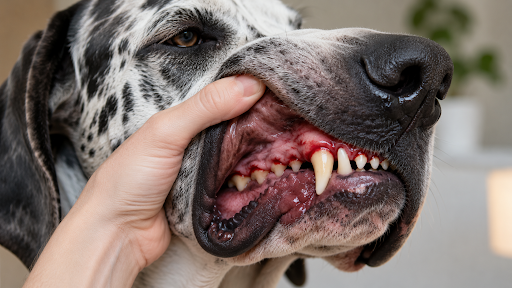
The Mouth Tells a Story You Can't Always Read
Dog Gum Disease: The Most Common Culprit
How Periodontal Disease Develops
Beyond Dental Disease: Other Reasons for a Dog’s Mouth Bleeding
Trauma From Chewing
Foreign Objects Lodged in the Mouth
Oral Growths and Masses
Systemic Health Conditions
Warning Signs That Accompany Bleeding Gums
What to Expect During a Pet Dental Care Visit
Supporting Your Dog's Oral Health at Home
Home Care Method
How It Helps Your Dog
Daily Tooth Brushing
The gold standard to remove soft plaque before it hardens into stubborn tartar.
Dental Diets & Chews
Specifically shaped to mechanically scrub teeth or contain enzymes that slow plaque growth.
Safe Toy Selection
Avoid ultra-hard items like real bones or hooves; opt for flexible rubber toys instead.
Weekly Lip Lifts
Keeps you familiar with your dog's mouth so you spot redness or tartar early.
Common Questions About Your Dog’s Bleeding Gums
Why Do My Dog’s Gums Bleed When I Brush Their Teeth?
Can a Change in Diet Fix Bleeding Gums?
Are Certain Dog Breeds More Prone to Oral Bleeding?
Can an Oral Infection Cause Other Health Problems in My Dog?
How Can I Tell If My Dog's Bleeding Is an Absolute Emergency?
Protecting Your Companion’s Oral Health