
Menu
close
June 21, 2026
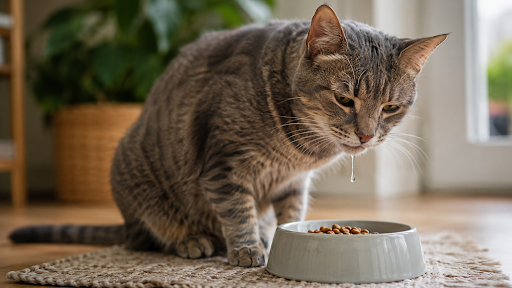
TL;DR: Is your kitty turning away from the food bowl or acting unusually distant? Unexplained cat drooling or bad breath is rarely just a cosmetic quirk; it's often the first visible sign of underlying feline dental disease. Read on to learn how to spot hidden oral pain, what steps you can take at home, and how our Edmonton vet team helps your companion live a happy. A wet chin during a great chin scratch is normal. Persistent cat drooling and bad breath isn't. When these two signs happen together, your cat is signalling that they're dealing with severe mouth pain. Because felines hide illness to stay safe from predators, visible symptoms mean their oral health issues have progressed to a point they can't conceal. The good news is that recognizing these signs early makes treatment much easier and more effective for your furry family member. Cats aren't stoic because they want to be. They're stoic because their wild ancestors had to hide vulnerability to stay safe from predators. By the time you notice physical symptoms like drooling, a hidden dental condition may have been developing for months. These visible changes are your pet's way of telling you that they can't mask the discomfort anymore. Treating these subtle shifts as important health indicators helps you protect your pet from chronic, silent suffering. When foul breath and excess saliva occur together, it usually points to a few specific oral health conditions. This condition affects a vast majority of adult pets. It starts when plaque mixes with bacteria and hardens into tartar along the gumline. The real damage happens deep beneath the gums, destroying the bone and tissues that hold the teeth in place. The bacteria buildup causes a distinctly foul smell, followed by drooling as inflammation peaks. This is a particularly frustrating condition where a cat's body begins to break down its own tooth structure from the inside out. It causes intense mouth pain for your kitty, yet the tooth's exterior can look perfectly normal. You might only notice your pet dropping kibble or tilting their head at an odd angle while trying to chew. An abscess is a severe, localized infection that creates a pocket of pus around a tooth root. This often stems from an untreated fracture or advanced periodontal disease. The odour is usually overwhelming, smelling metallic or rotten, and the extreme pain causes constant drooling because it hurts too much for the animal to swallow. While gingivitis is a reversible swelling of the gums, stomatitis is a widespread, incredibly painful inflammation of the entire mouth and throat. Cats with stomatitis will actively avoid food, lose weight rapidly, and drool excessively because their oral tissues are raw and highly sensitive. Since our pets can't tell us when their teeth throb, we have to look for small behavioural clues. If you notice your pet exhibiting any of the following habits, it's time to reach out to our veterinary team: It's natural to try to open your cat's mouth at home to check what's wrong. However, this is incredibly difficult to do safely. If your pet is already dealing with severe oral sensitivity, forcing their mouth open can cause pain and damage the bond of trust you share. More importantly, a visual check doesn't reveal the whole story. Because the most damaging dental diseases occur below the gumline, a tooth can look white and healthy even while the root is actively rotting. This is why professional digital veterinary X-rays are so critical. They give our team a clear view of the jaw structure, enabling us to identify and treat hidden infections before they become major health crises. If you're looking for subtle signs of cat tooth pain, leaving the inspection to professionals is always the safest bet. Learn more about our advanced diagnostic tools on our Dental Care page. Ignoring persistent bad breath won't make the problem go away. Untreated dental infections cause constant stress to your cat's immune system. Over time, bacteria from the mouth can enter the bloodstream, potentially causing permanent damage to vital organs such as the kidneys, liver, and heart. Beyond the physical risks, oral disease drastically reduces your pet's daily quality of life. Chronic pain leaves cats feeling drained, anxious, and detached. Investing in early intervention keeps treatments simpler, reduces recovery times, and gets your happy, playful companion back to normal much faster. Don't wait for your pet to stop eating entirely if you notice a damp chin, an unpleasant smell, or a sudden preference for wet food. Catching a cat drooling or showing signs of dental disease early gives you peace of mind. It also keeps your companion comfortable. We offer complete, personalized care for every stage of your pet's life. Our veterinary team uses advanced digital imaging to find hidden pain. From there, we'll build a custom treatment plan to get your kitty feeling happy and playful again. Read through our testimonials page to see how we've helped other Edmonton pet owners. Yes. While oral infections are the primary cause, foul breath and drooling can also stem from kidney disease, gastrointestinal upset, diabetes, or the ingestion of a toxic substance. If the symptoms appear suddenly alongside vomiting or extreme lethargy, you should seek veterinary care immediately to get an accurate diagnosis. Most cats need a thorough oral health assessment once a year during their regular wellness exams. Breeds prone to dental issues or older cats might require checkups every six months to stay ahead of plaque buildup and structural damage. We take anesthesia safety incredibly seriously. Our hospital runs comprehensive pre-anesthetic blood screening to ensure your pet's organs are healthy enough for the procedure. We also use dedicated monitoring equipment to track vitals every single second they're asleep. For most pets, the health risks of living with a painful, chronic infection are far higher than the risks of a managed anesthetic procedure. No. While some specially formulated dental diets can help reduce plaque accumulation, standard dry kibble doesn't clean teeth effectively. Once tartar forms, it requires veterinary tools to safely remove it. If your cat is cooperative and their mouth is healthy, brushing with pet-safe toothpaste is an excellent preventive measure. However, if they already have inflamed gums or a resorptive lesion, brushing will be extremely painful. Always get a professional clean bill of health before starting an at-home brushing routine. Ready to clear up that bad breath? You can easily request an appointment online or contact us directly at our clinic to chat with our team. Disclaimer: The information in this blog is for educational purposes only and is not a substitute for professional veterinary advice. For any health concerns regarding your pet, please schedule an appointment with our veterinary team.Why Felines Hide Their Oral Discomfort
What Common Feline Dental Issues Look Like
Condition
Primary Warning Signs
Periodontal Disease
Severe bad breath, red gums, localized swelling
Tooth Resorption
Food avoidance, jaw trembling, drooling
Dental Abscesses
Sudden swelling, intense metallic odour, extreme pain
Stomatitis
Bright red back of throat, total refusal to eat
Periodontal Disease
Tooth Resorption
Dental Abscesses
Gingivitis and Stomatitis
Subtle Cat Tooth Pain Signs You Shouldn't Ignore
The Limitations of Looking at Home
The Hidden Dangers of a "Wait and See" Approach
When to Schedule a Professional Dental Assessment
Questions About Cat Drooling and Bad Breath Answered
Can a Cat's Bad Breath Be Caused by Non-Dental Issues?
How Often Does My Kitty Need a Professional Teeth Cleaning?
Is Veterinary Anesthesia Safe for Older Cats?
Will Switching to Dry Kibble Cure Dental Disease?
Can I Brush My Cat's Teeth at Home?
Turning Awareness into Action