
Menu
close
July 3, 2026
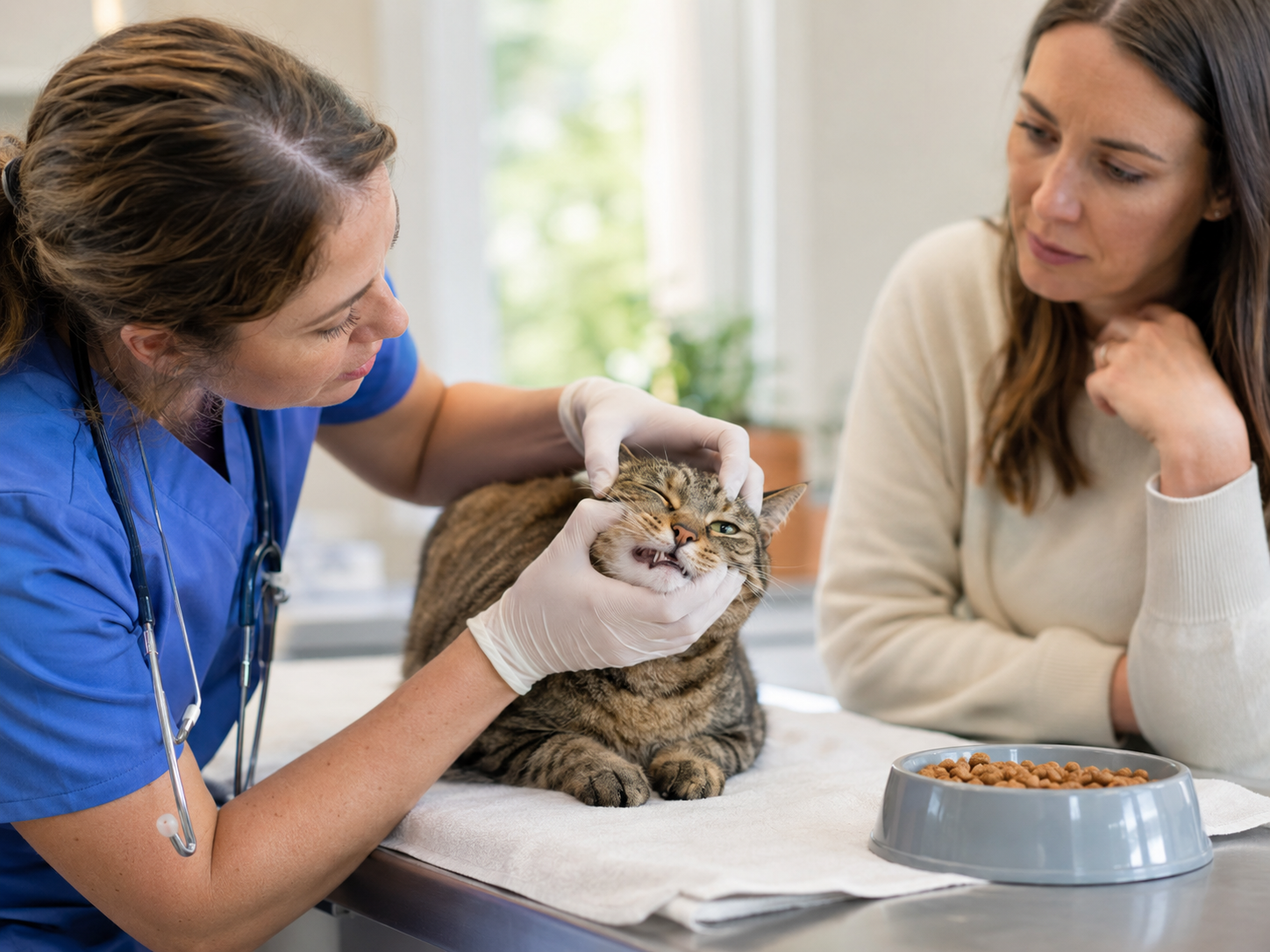
TL;DR: Cats are experts at hiding severe pain, making it hard for caregivers to spot a cat's tooth abscess early. This deep bacterial infection forms at the root of the tooth and requires prompt medical treatment to prevent serious, systemic health issues. If you notice your kitty hesitating at the food bowl or acting withdrawn, don't wait. Contact us immediately for quick relief for your pet. Your cat's instincts work against you to hide a painful cat tooth abscess. Felines naturally mask discomfort to avoid showing weakness, meaning a kitty with a severe cat tooth infection might still purr and eat normally. This creates a massive challenge for Edmonton owners. In this blog, we'll discuss how these root infections form, the subtle signs of oral pain, and how our team provides safe relief. Because cats don't show pain the way we expect, recognizing oral discomfort requires paying close attention to minor everyday changes. None of these signs is definitive on its own, but together, they paint a clear picture of oral distress. A kitty with severe dental pain won't always stop eating. Instead, you might notice that they: These changes are easy to dismiss as pickiness, but if the pattern persists for more than a couple of days, it warrants professional attention. Some symptoms of a feline dental infection are much more visible if you know where to look: Chronic discomfort completely alters a pet's personality. A cat with a painful mouth infection might start pawing at their face or rubbing their cheek against furniture aggressively. You might notice they resist having their head touched, stop grooming themselves thoroughly, or spend most of their day sleeping because fighting off an infection drains their energy. It's tempting to wait and see if things improve on their own, especially since your cat's still functioning. However, a painful cat dental abscess won't heal without veterinary intervention. The bacteria will continue to multiply. Even if the abscess ruptures and provides temporary pressure relief, the underlying infection remains completely active. The infection will inevitably spread into the jawbone, cause adjacent teeth to rot, or enter the bloodstream. Chronic oral infections allow bacteria to travel directly to vital organs such as the heart, kidneys, and liver, leading to long-term systemic damage. Leaving a cat's dental abscess alone means leaving your beloved pet to live in chronic, agonizing pain that they can't communicate to you. Diagnosing an oral infection requires much more than a quick look inside the mouth. When you bring your pet to our hospital, our experienced veterinarians begin with a gentle, thorough oral examination to check for inflammation, loose teeth, or visible discharge. However, because the vast majority of the tooth structure sits entirely below the gumline, visual checks aren't enough. Dental radiographs are completely essential. These specialized digital X-rays allow us to view the roots of the teeth and the surrounding bone structure to locate hidden pockets of infection. We also frequently recommend diagnostic blood work to assess your cat's overall organ function before proceeding with any treatment plans. Once we confirm a diagnosis, our care plan focuses on three immediate goals: relieving your pet's pain, eliminating the bacterial infection, and preventing future complications. Your kitty's comfort is our primary focus. We use safe, feline-specific anti-inflammatory medications and pain relievers to ease their discomfort immediately. In almost all cases, extracting the affected tooth is the only definitive treatment. While oral surgery sounds daunting, removing the source of infection eliminates the pain. Cats adapt incredibly well to losing a tooth. In fact, they eat much better without a painful, throbbing tooth holding them back. We perform all dental extractions under strict general anesthesia. Our veterinary team uses advanced monitoring equipment to keep your pet as safe as possible throughout the procedure. We clean the infected socket, flush the area, and use dissolvable sutures to close the gum tissue safely. The timeline depends heavily on the cause. An abscess from a sudden tooth fracture can pop up within days. An abscess stemming from progressive periodontal disease can form under the gums over months. Because cats mask their symptoms, it often appears to the owner that it happened overnight. Reach out to our team today to book a comprehensive oral assessment and protect your pet's long-term health. No, an abscess can't resolve on its own without veterinary care. The pocket of infection might burst, temporarily relieving pressure and pain, but the bacteria will remain deep within the tooth socket and bone, leading to a recurrence and spread of the infection. The timeline depends heavily on the cause. An abscess from a sudden tooth fracture can pop up within days. An abscess stemming from progressive periodontal disease can form under the gums over months. Because cats mask their symptoms, it often appears to the owner that it happened overnight. Yes, it's very safe when performed with modern anesthetic protocols. We run pre-anesthetic blood screening on senior pets to evaluate liver and kidney function, allowing us to tailor anesthesia to their needs. The health risks of leaving an active, painful infection in an older cat are far greater than the risks of a monitored dental procedure. Absolutely. Cats don't chew food the way humans do; they use their teeth primarily to shear food into manageable pieces before swallowing. Once the source of chronic oral pain is gone, you'll likely notice your cat eating much better and with far more enthusiasm than before. The most common signs include a visible lump or asymmetrical swelling under the eye or along the jawline, sudden sensitivity when you touch their face, excessive drooling, and a complete reluctance to chew hard kibble. Your cat's silence isn't an absence of pain; it's simply their natural way of coping. Contact us today to speak with our compassionate veterinary team, or use our website to conveniently request an appointment. Disclaimer: The information in this blog is for educational purposes only and is not a substitute for professional veterinary advice. For any health concerns regarding your pet, please schedule an appointment with our veterinary team.Signs That Something's Wrong
Changes in Eating Behaviour
Physical Signs You Can See
Behavioural Shifts
The Danger of Waiting
How Our Veterinary Team Diagnoses an Abscess
Treatment: What to Expect
Pain Management and Medications
Surgical Tooth Extraction
Smooth Recovery at Home
Common Cat Dental Abscess Related Questions Answered
Can a Cat Tooth Abscess Heal on Its Own Without Treatment?
How Quickly Does a Tooth Abscess Develop in Cats?
Is Tooth Extraction Safe for Senior Cats?
Will My Cat Be Able to Eat Normally After Losing a Tooth?
What Are the Main Signs of a Cat’s Swollen Face and Tooth Infection?
Don't Let Your Kitty Suffer from Oral Discomfort in Silence