
Menu
close
July 3, 2026
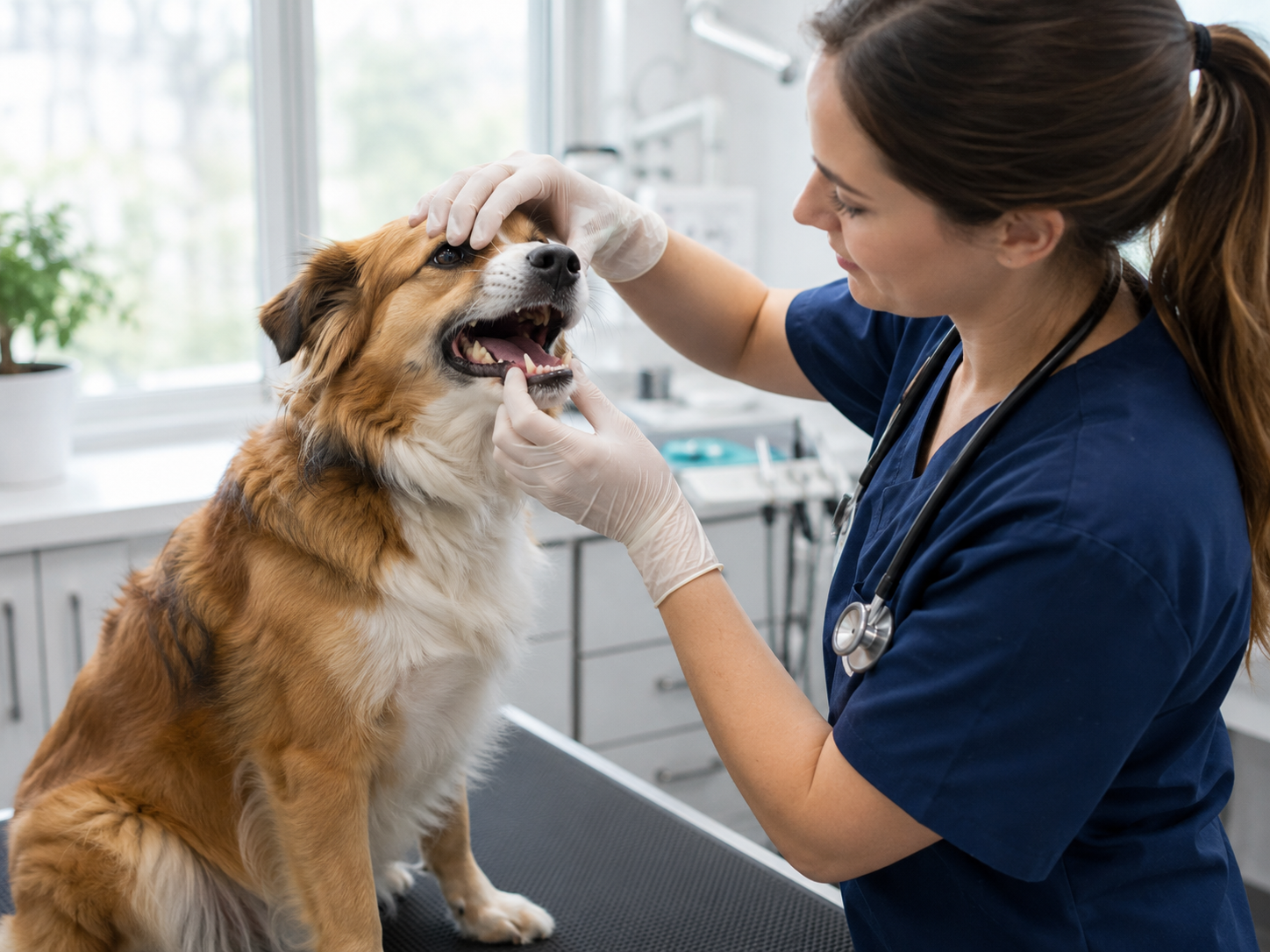
TL;DR: A dog tooth extraction involves a safe, precise process under general anesthesia to remove the diseased tooth completely. Afterward, recovery is surprisingly fast, with most pets back to eating happily within days. Contact us to ease your anxiety and support your companion. Finding out your companion needs a dog tooth extraction can send your mind racing through stressful scenarios. It’s completely normal to feel anxious, but this common dental procedure isn’t a crisis. In fact, it’s often the exact turning point where your pet’s silent, chronic oral pain finally ends. The real challenge for most caregivers is simply dealing with the unknown. This guide walks you through what to expect from a dog tooth extraction in Edmonton, so you can move forward with total clarity and peace of mind. Recommending a dog tooth extraction is done only after careful evaluation. We suggest it when a tooth is causing your dog ongoing harm and cannot be saved in a way that serves their long-term health. Dogs are remarkably good at hiding physical discomfort because evolutionary instinct drives them to mask pain. By the time you notice outward signs, such as refusing hard food, pawing at the mouth, or severe bad breath, the underlying problem has progressed significantly. Preserving natural teeth is a comforting instinct, but a diseased tooth is an active source of bacteria and inflammation. Leaving it in place prolongs discomfort and allows infection to spread to neighbouring teeth or the jawbone. Bacteria can enter the bloodstream, linking chronic dental disease to heart, liver, and kidney complications. Professional dog dental surgery removes the problem entirely. Most dogs experience profound relief and return to eating, playing, and resting normally within days, often behaving with a renewed energy that owners haven't seen in months. At our clinic, we never rush into extractions. Every professional dental procedure begins with a thorough evaluation to ensure a safe, customized plan for your pet. You cannot fully assess a tooth without seeing below the gumline. Approximately two-thirds of every tooth structure is hidden beneath the gum and embedded in bone. A tooth that appears completely healthy on the surface can have severe root damage or infection beneath the surface. Digital dental X-rays give us a complete, clear picture. They reveal root fractures, abscesses, and bone destruction that are invisible to the naked eye. Because the procedure requires general anesthesia, we evaluate your dog's overall health beforehand with essential blood work. This assesses liver and kidney function to ensure your pet can safely process the anesthetic drugs. For older dogs, we customize our protocols to minimize risk and maximize safety. Modern veterinary medicine is precise, controlled, and heavily focused on patient comfort. General anesthesia ensures your dog feels no pain and remains perfectly still, protecting their airway from water and debris during the cleaning. Throughout the entire procedure, a dedicated staff member continuously monitors your dog's vital signs, including heart rate, blood pressure, and oxygen levels. We take a multimodal approach to pain control, combining several methods for maximum comfort. This includes pre-operative pain medication, local numbing blocks injected directly around the affected tooth, and post-operative relief. Numbing the local nerves means your dog experiences less physical stress and wakes up much more comfortably. Simple extractions require only gentle elevation if the tooth is already loose. Larger teeth with multiple roots require surgical extraction. We section multi-rooted teeth into individual pieces so each root can be removed cleanly, minimizing trauma to the jawbone. Once the tooth is removed, we flush the socket and close the gum tissue with absorbable sutures that dissolve on their own. Most dogs recover from a dog tooth extraction much faster than their owners expect. The first 24 to 48 hours simply require a few practical adjustments to ensure smooth healing. When you pick up your dog from our hospital, they might still be a bit groggy from anesthesia. This is normal and typically resolves by the next morning. You may notice mild, pink-tinged saliva for the first day. However, significant, active bleeding is not normal and means you should call our team immediately. We provide specific feeding instructions, but the primary rule is to feed only soft food for 10 to 14 days. This allows the sensitive gum tissue to heal without irritation. You can soften regular kibble with warm water or feed high-quality canned food. Restrict intense activity for the first few days. Avoid roughhousing, tug-of-war toys, or anything that puts pressure on the mouth. Short, leashed walks are perfectly fine. You will go home with targeted pain medication and sometimes antibiotics. Give all medications exactly as directed, even if your dog seems perfectly fine. Preventing pain from starting is much easier than trying to soothe it after it flares up. While complications are uncommon, contact our clinic if you observe: Your pet relies on you to advocate for their health, and you can rely on us to deliver safe, expert surgical care. Reach out today to eliminate oral discomfort for good. A single, uncomplicated tooth removal might add only 15 to 20 minutes to a routine dental cleaning. However, a complex dog dental surgery involving large, multi-rooted teeth, like the upper carnassial, can take anywhere from 45 minutes to over 2 hours. Our veterinary team uses digital X-rays before the surgery to map out the hidden roots, which helps us work efficiently and keeps your pet's anesthesia time as short as possible. Almost every dog tooth extraction in Edmonton is an outpatient procedure, meaning your pet comes home the same evening. We keep your companion in our dedicated recovery ward for a few hours after the surgery to monitor their vitals and ensure their pain is completely under control. We only recommend an overnight stay if your pet has severe underlying health conditions or requires advanced, extensive oral surgery. Dogs instinctively hide their discomfort, so you need to look for subtle behavioural clues during dog tooth extraction recovery. Watch for a dropped head, facing away from the wall, subtle lip licking, or an unusual reluctance to eat their soft food. Shaking, whimpering, or pawing at the muzzle means their pain is flaring up, and you should contact our hospital immediately so we can adjust their medication. Once a tooth is extracted due to a dog tooth extraction, periodontal disease can't return to that specific spot because the tooth and its root structures are completely gone. However, harmful plaque and bacteria will still attack the remaining teeth in your pet's mouth. Consistent at-home brushing and routine professional dental care are vital to protect the rest of their smile and prevent future surgeries. Dental issues do not resolve on their own, and the underlying pain will persist without treatment. If your companion needs help, you're not facing a catastrophe; you're choosing a path that restores their daily comfort and happiness. Contact us at Oxford Animal Hospital to schedule a comprehensive dental exam today. Disclaimer: The information in this blog is for educational purposes only and is not a substitute for professional veterinary advice. For any health concerns regarding your pet, please schedule an appointment with our veterinary team.Why Extraction Is Often the Best Path for Your Dog
Common Reasons for Dog Dental Surgery
The Hidden Impact of Chronic Dental Pain
What Happens Before the Procedure
The Critical Role of Digital Dental X-Rays
Pre-Anesthetic Health Assessment
Inside the Surgical Suite: What to Expect
Continuous Anesthesia Monitoring
Advanced Pain Management
The Extraction Process
Navigating Dog Tooth Extraction Recovery at Home
The First 24 Hours
Feeding and Soft Food Guidelines
Keeping Things Calm
Managing Prescribed Medications
Recovery Watchlist
Answers to Common Caregiver Questions
How Long Does a Dog Tooth Extraction Procedure Take?
Will My Dog Need to Stay Overnight at the Clinic After a Tooth Extraction?
How Do I Know if My Dog Is in Pain at Home After a Tooth Extraction?
Can Dental Disease Return After a Tooth Extraction?
Partnering for Your Dog's Health