
Menu
close
June 21, 2026
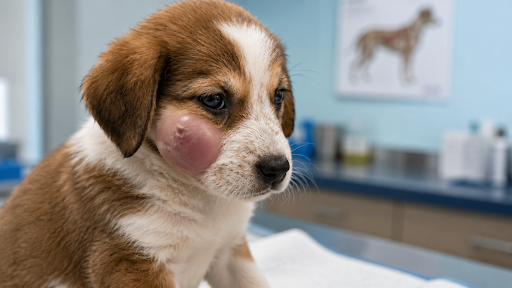
TL;DR: A sudden dog tooth abscess or swollen face is a painful veterinary emergency that happens when bacteria infect a tooth root. Dogs hide pain naturally, so noticeable swelling under the eye or jaw means the infection needs immediate medical care. Read on to learn when to visit our clinic and how we can get your beloved pet smiling comfortably again. Your dog's face looks puffy beneath the eye this morning, making you second-guess every tiny sign you might've missed. This stressful moment is how a dog tooth abscess or swollen face typically reveals itself. While the puffiness seems to happen overnight, the underlying dog dental infection has likely been brewing quietly for weeks. Because our pets are experts at hiding pain, it's up to us to recognize when a dental issue crosses the line into an urgent situation. We know how frightening it is to see your pet in distress. Let's walk through why this happens, which signs matter most, and how we'll help your pup feel comfortable again. A dog tooth abscess doesn't simply appear out of nowhere. It's the painful result of a bacterial battle happening deep inside your pet's mouth, right at the roots of their teeth. Most painful dental infections in dogs start in one of three ways: Once bacteria take over the root, the body sends white blood cells to fight back, creating trapped fluid. The intense pressure from this infection has nowhere to go, so it expands outward, causing the noticeable puffiness you see on your dog's face. Our dogs are tough, and they won't always stop eating just because a tooth hurts. You have to look a bit closer to see how they're truly feeling. Beyond the obvious facial asymmetry, keep an eye out for these clear symptoms: Pain changes a dog's personality. You might notice they're suddenly hesitant to play with their favourite tug toys. They might drop their dry kibble while eating, chew strictly on one side of their mouth, or shy away when you reach out to pet their head. Many dogs become unusually quiet, sleeping more often because dealing with a constant headache drains their energy. If you notice these subtle shifts, don't wait for things to clear up on their own. Please visit our dental care page to see how we address these painful issues. While dental infections are always highly uncomfortable, certain symptoms indicate your pet needs to see an experienced veterinarian right away. Give our clinic a call if the swelling is steadily growing, if your pup is skipping meals, or if they seem unusually sad and withdrawn. A draining wound on the cheek also requires prompt attention, so we can properly clean the area and start targeted medication. Left untreated, the bacteria can travel past the mouth, entering the bloodstream or damaging the surrounding facial bones and nasal passages. We treat every pet like family, ensuring they feel safe and comfortable from the moment they walk through our doors. We'll start by gently checking your dog's vital signs and looking at their face and lymph nodes. We'll chat about what you've noticed at home and look at their veterinary history. Because an infected tooth is incredibly painful, we won't poke or prod at the sore spot while your dog is awake. To see the true picture, we must look beneath the gums. Dental X-rays let our veterinary team see exactly what's happening around the hidden roots. This crucial step lets us see the level of bone loss and find out which roots are trapped in the infection. Antibiotics can temporarily calm down the facial swelling and kill surface bacteria, but they cannot cure the abscess. The source of the infection is locked inside the dead or damaged tooth root, where antibiotics can't reach. The painful swelling will return as soon as the medication script ends unless the tooth is treated or extracted. Bug stings and allergic reactions usually blow up incredibly fast, often within minutes of going outside. They also tend to be itchy, causing your dog to rub their entire face on the carpet. A dental abscess develops more gradually over days and creates a specific, localized lump rather than widespread facial puffiness. Yes, modern veterinary anesthesia is incredibly safe. We run thorough pre-anesthetic blood work beforehand to check your senior dog's kidney and liver health. We customize every single medication protocol and monitor your pet's heart, oxygen, and blood pressure continuously throughout the procedure. Most owners are amazed by how quickly their dogs bounce back. Once the throbbing tooth is gone, your pet will likely feel much better within 24 to 48 hours. We'll ask you to feed them soft food for a week or two and hold off on hard chew toys while the gums heal beautifully. Daily tooth brushing with dog-safe toothpaste is the gold standard for home care. Partnering this with annual professional veterinary cleanings allows us to scale away hidden plaque before it ever reaches the roots, keeping your pet's mouth completely healthy and pain-free. If you're worried about sudden puffiness or think your dog is dealing with hidden mouth pain, please contact us today. You can also easily request an appointment online to get them the fast relief they deserve. Disclaimer: The information in this blog is for educational purposes only and is not a substitute for professional veterinary advice. For any health concerns regarding your pet, please schedule an appointment with our veterinary team.How a Dog Tooth Abscess Forms
From a Damaged Tooth to a Hidden Infection
The Crucial Warning Signs to Watch For
Physical Changes in Your Dog
Changes in Daily Behaviour
When Your Dog's Facial Swelling Requires Same-Day Care
Schedule a Prompt Appointment Within 24 Hours
Visit an Emergency Clinic Immediately If:
What to Expect During a Veterinary Dental Exam
The Initial Evaluation
The Role of Digital Dental X-Rays
Why Anesthesia Is Vital for Dental Care
Diagnosing a Dog’s Swollen Face or Tooth Infection
Frequently Asked Questions About Dog Tooth Abscesses and Swollen Faces
Can a Dog's Tooth Abscess Go Away With Just Antibiotics?
How Can I Tell an Insect Sting Apart From a Dental Issue?
Is It Safe for an Older Dog to Go Under Anesthesia for Dental Work?
What Does the Recovery Look Like After an Extraction?
How Can I Stop Another Abscess From Forming in the Future?
From Heavy Sighs to Happy Tail Wags