
Menu
close
September 28, 2026
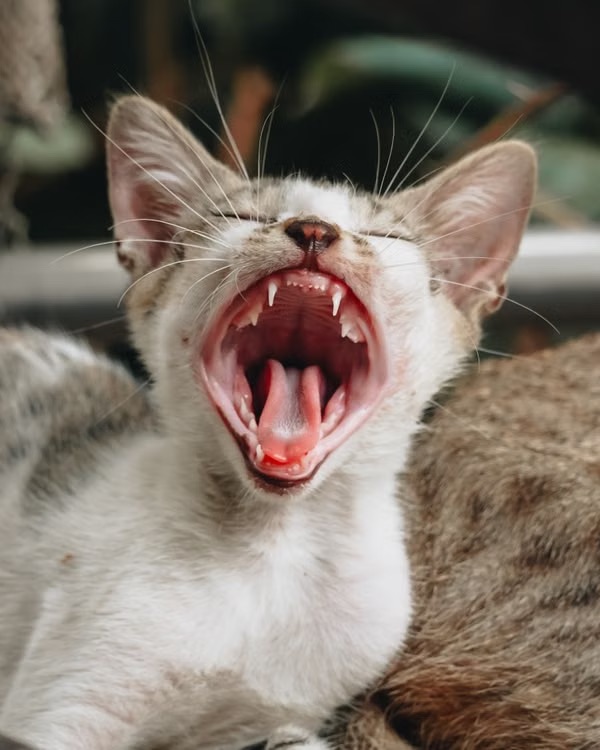
TL;DR: Most adult cats need a professional dental cleaning every one to two years. Senior cats, certain breeds, and cats with a history of dental problems may need one every year, or even sooner. Cats hide mouth pain very well, so a yearly cat dental exam is the most reliable way to set the right schedule. Book a cat dental exam with Oxford Animal Hospital to get a cleaning plan built around your cat. Cats are world-class poker players. A cat with sore gums or a cracked tooth will usually keep eating, keep napping in sunbeams, and keep a perfectly calm face. Sometimes the only clue is a whiff of bad breath during a head bump. That toughness is why dental disease ranks among the most common health problems vets find in cats. It is also why it is so easy to miss at home. So, how often should cats get dental cleaning? For most adult cats, the answer is every one to two years. The exact schedule depends on age, genetics, diet, home care, and what a vet finds below the gum line. Each of those factors shifts the timeline, and together they point to a plan built for one specific cat. Dental disease starts small. Plaque, a soft and sticky film, forms on the teeth every day. If it stays put, it hardens into tartar. Tartar pushes bacteria under the gum line, where it inflames the gums and slowly damages the tissue and bone that hold each tooth in place. This process is called periodontal disease. Without treatment, periodontal disease leads to pain, loose teeth, and infection. Bacteria from a diseased mouth can also travel through the bloodstream and strain organs like the kidneys and heart. Cats rarely show any of this. Regular care gives the vet a chance to catch problems while they are still small and easy to treat. For most healthy adult cats, a professional cleaning every one to two years keeps plaque and tartar under control. Some cats need less help, and others need quite a bit more. The table below shows typical starting points. A vet sets the final schedule after looking inside your cat's mouth. Two cats can share a house, a food bowl, and a favorite windowsill and still need very different dental schedules. These are the biggest reasons why. Dental problems build up over time. Many cats show early gum disease by age three, and senior cats often need closer monitoring as their teeth and gums wear. Kittens usually have clean mouths, though a baby tooth that refuses to fall out can trap food and cause problems early. Some cats win the dental lottery. Others do not. Breeds such as Siamese, Abyssinian, and Persian cats can be more prone to gum disease or crowded teeth. A cat with a family history of mouth problems may need cleanings sooner. Food plays a supporting role. Regular kibble gives teeth only a light scrub. Wet food is great for hydration, but it clings to teeth more easily. Dental diets use a special kibble shape and texture designed to slow tartar buildup. Brushing is the gold standard at home. Daily brushing works best, and even a few sessions a week can stretch the time between professional visits. Cats who accept brushing often need fewer cleanings over their lifetime. A mouth with existing disease tends to get worse faster. Cats with a history of extractions, gum inflammation, or tooth resorption (a painful condition in which the tooth breaks down from the inside) usually need more frequent checkups and cleanings. Every good dental schedule starts with a cat dental exam. The vet checks the teeth, gums, tongue, and cheeks, looking for: Here is the catch: much of dental disease hides where eyes cannot reach. Dental x-rays reveal root infections, bone loss, and resorption below the gum line. Those findings help the vet decide whether a cleaning can wait or should happen soon. Once the exam points to a cleaning, the real work begins. A thorough professional cat teeth cleaning happens under general anesthesia. Anesthesia keeps your cat still, comfortable, and safe, and it allows the vet to clean below the gum line, where most disease lives. The visit usually includes scaling to remove tartar above and below the gums, polishing to smooth tooth surfaces, a full-mouth exam with charting, and dental x-rays when needed. A tooth that is too damaged to save may be removed to stop the pain. Afterward, the vet explains the findings and recommends a home care routine and a date for the next check. A schedule is a guide, and mouths do not always follow it. Book an exam early if you notice: Drooling and bad breath are two of the most common early clues that something in the mouth needs attention. Catching them early often means a simpler visit and a much happier cat. Home care keeps the good work going after a cleaning. Use a toothpaste made for pets, since human toothpaste can make cats sick, and start with a soft finger brush. Keep sessions short, calm, and followed by a reward. Dental treats and water additives with the Veterinary Oral Health Council (VOHC) seal can add extra support. A yearly exam ties everything together. Cats will never file a complaint about a sore tooth. They purr, eat, and carry on while trouble grows quietly under the gums. Most adult cats do well with a cleaning every one to two years, and the right number for your cat comes from a yearly exam, their age, history, and a little help at home. Think of every dental checkup as the moment the cards hit the table. The vet looks under the lip, the hidden hand gets revealed, and small problems stay small. Ready to see what your cat's poker face is hiding? Book a cat dental exam at Oxford Animal Hospital and get a cleaning schedule tailored to your cat. For most cats, yes. Cats get a health check and often bloodwork before the procedure. An experienced veterinary team monitors heart rate, breathing, and temperature throughout. For most cats, the benefits of a thorough, pain-free cleaning far outweigh the risks. Brushing slows plaque buildup, which helps a lot. Once plaque hardens into tartar, though, only professional tools can remove it, especially below the gum line. Brushing works best as a daily habit that keeps cleanings farther apart. Yes. Cats often keep eating despite serious mouth pain. They may chew on one side or swallow food whole. A yearly cat dental exam catches what a healthy appetite can hide. The exam decides. Tartar, red gums, or findings on dental X-rays usually mean it is time to book a cleaning. Bright Smiles Start with a Simple Step Disclaimer: The information in this blog is for educational purposes only and is not a substitute for professional veterinary advice. For any health concerns regarding your pet, please schedule an appointment with the veterinary team at Oxford Animal Hospital.Why Your Cat's Teeth Deserve Regular Attention
How Often Should Cats Get Dental Cleaning?
Your Cat's Situation
Dental Exam
Professional Cleaning (Typical Range)
Kitten (under 1 year)
At every wellness visit
Rarely needed; the vet checks for baby teeth that do not fall out
Healthy adult with good home care
Once a year
Every 1 to 2 years
Adult with tartar or mild gum redness
Once a year
About once a year
Senior cat
Every 6 to 12 months
Yearly, or as the vet advises
History of gum disease, tooth resorption, or extractions
Every 6 to 12 months
As often as the vet recommends, sometimes more than once a year
Factors That Affect Cat Dental Cleaning Frequency
Age
Breed and Genetics
Diet
Home Care
Current Oral Health
What to Expect at a Cat Dental Exam
What Happens During Professional Cat Teeth Cleaning
Signs Your Cat Needs a Dental Checkup Sooner
Easy Cat Teeth-Cleaning Habits Between Vet Visits
Calling Your Cat's Bluff
Open Wide: Your Cat Dental Cleaning Questions, Answered
Is anesthesia safe for cat dental cleanings?
Can brushing at home replace a professional cleaning?
My cat eats fine. Could there still be a dental problem?
How will I know if my cat needs a cleaning this year?