
August 12, 2025
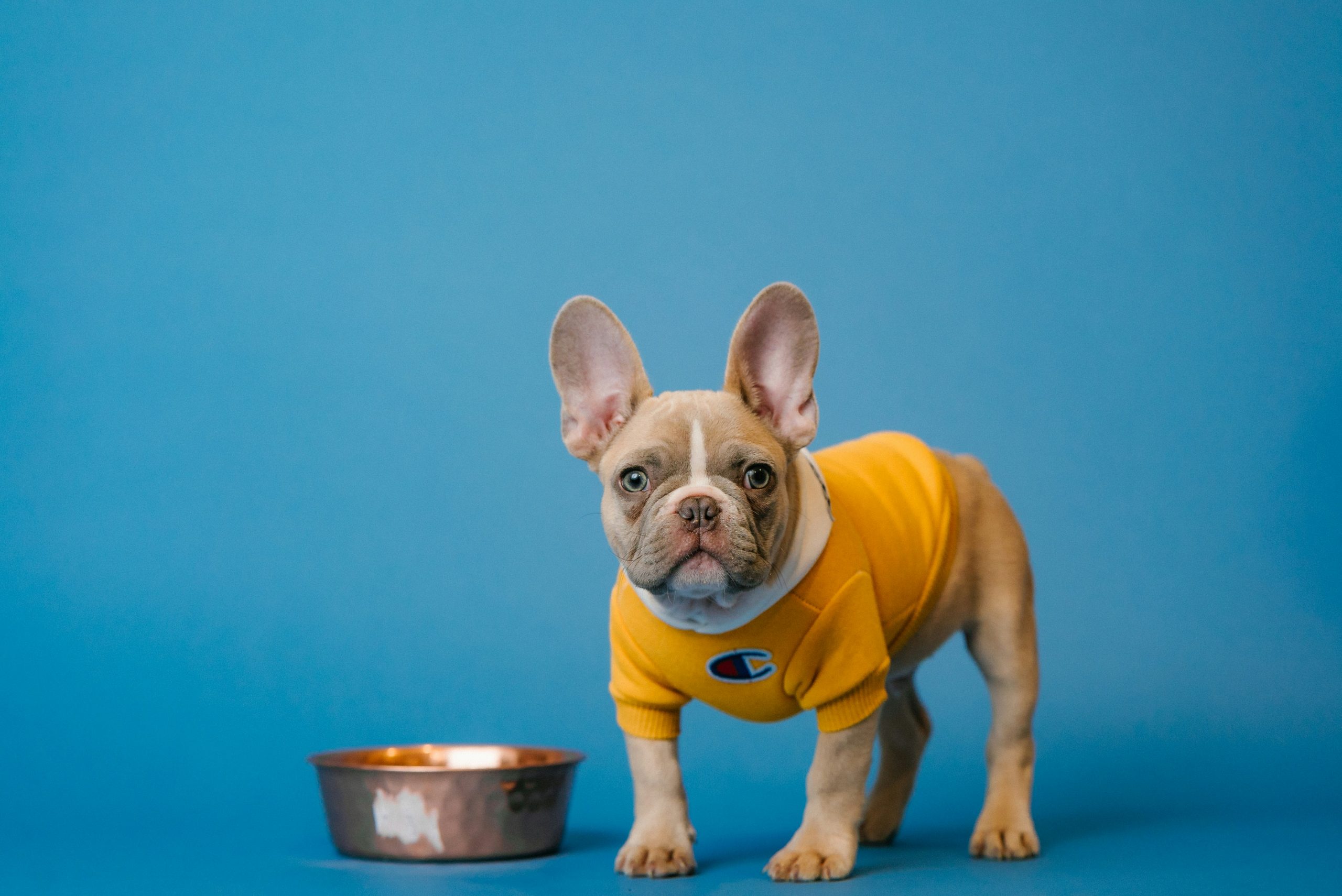
As a dog owner, you know your companion's moods and behaviours better than anyone. So when your dog seems unwell, you notice. While it could be something minor, it's important to be aware of the more serious possibilities. Recognizing the signs of bloat in a dog is a critical skill that can help you protect your pup from this rapidly escalating condition. Bloat, or Gastric Dilatation-Volvulus (GDV), is a life-threatening emergency that requires immediate veterinary intervention. Knowing the symptoms gives you the power to act quickly and could save your dog's life. Bloat, or Gastric Dilatation-Volvulus (GDV), is a severe, life-threatening condition. It occurs in two stages. First, the stomach fills with gas, fluid, or food, causing it to swell and expand like a balloon (dilatation). This initial stage puts pressure on the surrounding organs. It can cause breathing difficulties and decreased blood flow. The situation becomes more critical if the swollen stomach twists on itself (volvulus), trapping the gas and blood supply inside. This cuts off blood flow to the stomach and other vital organs. It can also tear the stomach wall and damage the spleen and other organs. Without immediate treatment, this chain of events can send a dog into shock and can be fatal in a matter of hours. We are always ready to assist, just call or visit! The exact cause of bloat is still not fully understood by veterinarians and researchers. However, several factors are known to increase a dog's risk. Genetics and body shape play a significant role. Large and giant-breed dogs with deep, narrow chests are most susceptible to bloat. Breeds commonly affected include: Although these breeds are at higher risk, remember that any dog can experience bloat. Beyond breed, other factors can increase the risk: Dog bloat symptoms can appear suddenly and worsen quickly. Being able to spot them is crucial for a fast response. Initially, the signs can be subtle. Your dog might seem uncomfortable or anxious for no apparent reason. Watch for: As the condition worsens, the symptoms become much more severe. If you notice any combination of these signs, treat it as an emergency. Do not wait to see if the symptoms improve on their own. Explain the symptoms you are seeing and let us know that you're on your way. At Oxford Animal Hospital, we're equipped to handle urgent situations. Prompt action is the most crucial factor for a successful outcome, and our team is experienced in providing emergency pet care for the Edmonton community. Veterinary care for bloat is intensive and time-sensitive. Understanding the treatment process and preventative measures can help you make informed decisions. The first priority for a veterinarian is to stabilize your dog. This often involves administering IV fluids to treat shock and decompressing the stomach to relieve pressure. Once your pup is stable, emergency surgery is required to untwist the stomach and assess for any damage to internal organs. During this surgery, the vet will likely perform a procedure called a prophylactic gastropexy. This involves tacking the stomach to the abdominal wall to prevent it from twisting again in the future. While you can't prevent bloat entirely, you can do a few things to reduce the risk. For high-risk breeds, a preventative gastropexy can be performed, often at the same time as a spay or neuter procedure. You can discuss this and other options with your vet during your doggo's regular healthcare visit. Our team is here to support you and your pet, from routine wellness checks to urgent care. We're here to empower you with the knowledge to be the best possible caregiver for your furry family member. Disclaimer: The information in this blog is for educational purposes only and is not a substitute for professional veterinary advice. For any health concerns regarding your pet, please schedule an appointment with our veterinary team. Sources used in no particular order: So, What is Bloat in Dogs?
What Causes Bloat in Dogs, and Which Dogs Are at Risk?
At-Risk Breeds and Body Shape
Other Contributing Factors
What are the Critical Signs of Bloat in a Dog to Watch For?
Early Warning Signs
Advanced Symptoms of Bloat in Dogs
What to do if You Suspect Your Dog Has Bloat?
How Vets Treat Bloat and How You Can Help Prevent It
How is Bloat Treated?
How to Help Prevent Bloat?
Reach out to us today.