
Menu
close
June 17, 2026
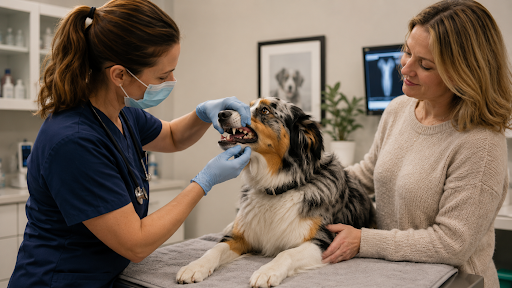
TL;DR: It's tough to tell when our pups are hurting because they naturally hide discomfort. Knowing the signs of dental disease in dogs helps you spot the quiet warnings, like bad breath, red gums, or subtle changes in how they eat - before mild irritation turns into chronic pain. Catching these changes early ensures your furry family member stays happy, active, and healthy. Imagine your pup hiding the signs of dental disease in dogs while living with a constant, throbbing toothache. Because our pets are hardwired to mask vulnerability, they won't whimper when a tooth cracks or refuse dinner when gums are sore. Most dogs with significant oral discomfort keep playing and wagging their tails normally. This makes early detection a challenge. These subtle warnings creep up gradually, and by the time you spot an obvious issue, like a swollen jaw, the condition has usually progressed for months. We want to close the gap between what you see on the surface and what your companion feels. Let's look at how to catch these quiet signals early so we can protect their comfort together. Many common dog dental disease symptoms are visible if you know exactly where to look. Spending a few moments checking your pet's mouth each week can reveal changes early. A little bit of dog breath after a nap or a pungent meal is completely normal. However, a strong, foul odour that never goes away isn't something to ignore. Chronic bad breath happens when bacteria build up, leading to active gum infections or decaying tissue. It's easy to get used to your pet's breath over time. If a visiting friend mentions it, or if you notice a sharp change compared to a few months ago, it's a clear signal that something needs our attention. Gently lift your companion's lips to look at their side and back teeth. Healthy teeth look bright white with clean, smooth surfaces. Tartar appears as a hard, yellowish-brown crust, often starting right along the gumline. In advanced stages, it can cover the entire tooth surface. Tartar is essentially calcified plaque. Once it hardens, regular home brushing won't budge it. This rough crust acts like a magnet for harmful bacteria, pushing hard against the delicate tissue and causing it to pull away from the tooth root. Healthy gum tissue should look firm and a soft, healthy pink. Classic signs of gum disease in dogs include distinct redness where the tissue meets the tooth, noticeable swelling, or bleeding when your pet plays with a chew toy. You might also spot tiny drops of blood on their favourite tennis ball or notice their saliva looks slightly pink. Gingivitis is the early stage of gum swelling, and we can completely reverse it with professional care. However, if it progresses to periodontitis, the deep structures supporting the teeth suffer permanent damage. Catching these signs of dog gum disease early helps maintain the stability of your pet's smile. This area is confusing because changes don't always look the way you'd expect. A dog dealing with oral discomfort might display these habits: Because many dogs continue eating at their normal speed despite significant soreness, you can't rely on appetite alone. But when you notice these subtle shifts alongside other changes, a closer look is highly recommended. Some symptoms of dog tooth pain don't show up during a quick look in the mouth. They alter your pup's daily behaviour instead. When a pup repeatedly rubs their muzzle against the couch, paws at their mouth, or scratches at the side of their head, they're often trying to soothe a dull ache. This repetitive behaviour can point to a fractured tooth, a hidden root abscess, or deep inflammation in the jawbone. It's easy to guess they have an itch, but a persistent habit means it's time to investigate. Certain breeds naturally drool more than others, especially when dinner is being prepared. But a sudden, unexpected increase in saliva or drooling that feels unusually thick, sticky, or discoloured points directly to oral irritation. This can also happen when a pup feels nauseous from swallowing bacteria, making it an excellent topic to raise with our veterinary team. By the time a tooth feels loose, major damage has already occurred beneath the surface, to the tiny ligaments that hold it steady. A loose tooth in an adult pet is never a normal part of aging. The same rule applies to teeth that look chipped, split, or worn down to the root. If teeth are falling out without any obvious injury, the underlying bone health is compromised. If your typically relaxed pup suddenly flinches, pulls away, or growls when you try to scratch behind their ears or touch their muzzle, they're likely protecting a highly sensitive spot. Chronic discomfort directly shifts a pet's mood. Pups dealing with long-term soreness often seem withdrawn, irritable, or less eager to greet you at the door. Maintaining a home routine with pet-safe toothpaste, dental chews, and water additives is fantastic for slowing the formation of new plaque. But it's important to know that home care cannot dissolve tartar once it solidifies. Removing hard calculus safely requires professional scaling. This process must be performed under general anesthesia. Anesthesia allows our veterinary team to clean thoroughly beneath the gumline, polish away microscopic scratches where bacteria love to hide, and treat specific problems without causing any fear, stress, or sudden movement. You might see "anesthesia-free" cleanings offered by local pet businesses, but these cosmetic procedures only scrape off the visible tartar above the gumline. They can't clean the hidden areas where disease actually does its damage, and restraining a conscious pet to scrape their teeth can cause accidental injury and intense anxiety. If you feel nervous about anesthesia, we completely understand. We invite you to read our client testimonials to see how safely we manage our patients, and we'll gladly walk you through our advanced monitoring protocols to put your mind at ease. Many companions show initial signs of plaque and gum inflammation by the time they turn three years old. Small breeds and dogs with short, flat faces often experience tracking issues much earlier because their teeth are tightly crowded inside a smaller jaw. We recommend starting annual professional checks as soon as your pup reaches adulthood to keep a close eye on their development. Total food refusal is typically a very late-stage symptom. Because the drive to survive is so powerful, most pups keep eating by shifting food to the back of their mouth or swallowing it whole. If your pet completely walks away from their food bowl, the soreness has likely become severe, and you should reach out to a veterinary team immediately. While tooth loss is common in senior pets, it isn't a healthy or inevitable part of aging. It's almost always the result of long-term gum infections that have completely dissolved the bony socket. Keeping up with routine cleanings throughout your dog's adult life can prevent this loss entirely. Every pet accumulates plaque at a different rate, depending on their genetics, diet, and home routines. Some companions do best with an annual scaling, while others can go longer between visits. We customize our recommendations specifically for your companion during their regular checkups. No, you should never use human toothpaste for your pets. Our toothpaste contains ingredients such as foaming agents and artificial sweeteners (such as xylitol) that are highly toxic to dogs if swallowed. Always choose a specially formulated pet toothpaste that comes in flavours they love, like poultry or beef, and is perfectly safe to swallow. If you've noticed a change in your pup's breath, a shift in how they chew their favourite toys, or if it's been over a year since their last checkup, let's take a look together. Please contact us or use our online form to request an appointment. Disclaimer: The information in this blog is for educational purposes only and is not a substitute for professional veterinary advice. For any health concerns regarding your pet, please schedule an appointment with our veterinary team.Early Warning Signals You Can Catch at Home
Persistent Sour Breath
Visible Tartar and Changing Colours
Red, Swollen, or Bleeding Gums
Subtle Adjustments to Eating Habits
Hidden Symptoms that Demand a Closer Look
Pawing and Rubbing the Face
Excessive, Thick Drooling
Loose, Cracked, or Missing Teeth
Protection Around the Head
Brushing at Home vs. Professional Cleanings
FAQs About the Signs of Dental Disease in Dogs
At What Age Do These Oral Health Issues Usually Start?
Can a Sore Mouth Cause a Dog to Stop Eating Completely?
Is It Normal for Older Dogs to Lose Teeth as They Age?
How Frequently Does My Pup Need a Professional Cleaning?
Can I Use Regular Human Toothpaste on My Dog's Teeth?
Protecting Your Companion's Smile Together