
Menu
close
July 3, 2026
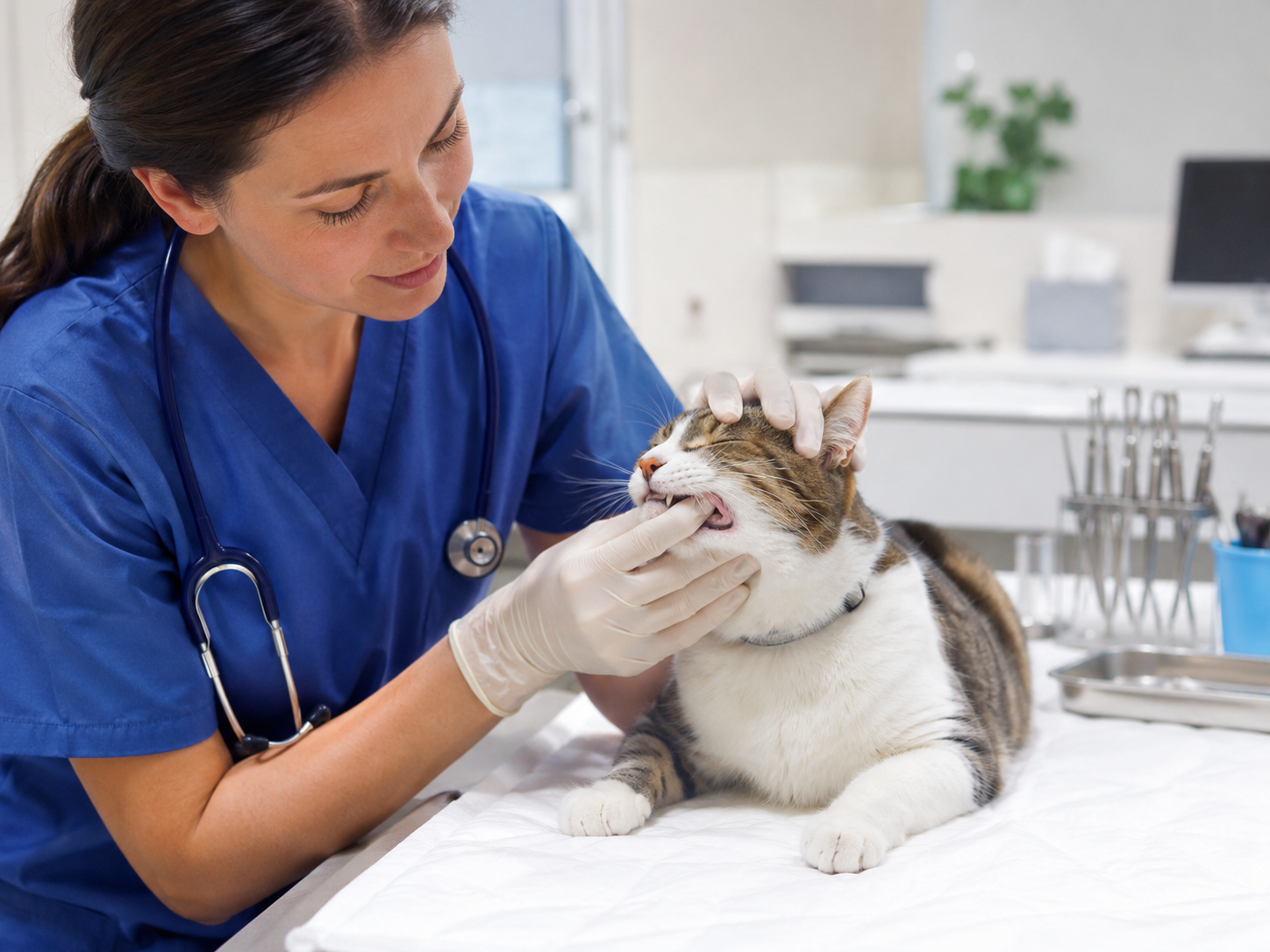
TL;DR: Finding out your feline companion needs a cat tooth extraction can feel incredibly overwhelming. This guide walks you through the entire cat dental surgery process and what to expect during recovery from cat tooth extraction. Explore how we keep your pet safe and comfortable. Your cat seems completely fine. She’s eating her meals, napping in the sun, and greeting you at the door every evening. Then, during a routine checkup, our veterinary team delivers some unexpected news: your furry family member needs a cat tooth extraction. This kind of news catches most caregivers completely off guard. Our feline companions hide mouth pain as a natural survival instinct, often dealing with silent discomfort for months before we notice a problem. If you're trying to figure out what's next, we're here to help you understand the realities of cat dental surgery and how to ensure a smooth, comfortable cat tooth extraction recovery at home. Recommending a cat tooth extraction isn't a decision our veterinary team makes lightly. We only suggest removing a tooth when it's the absolute best way to eliminate infection, stop chronic pain, or prevent more serious structural damage. The most common reasons we recommend cat dental surgery include: Because cats hide discomfort so well, keeping a close eye out for these subtle shifts in behaviour can help you catch problems early: If you notice any of these red flags, it's a good idea to bring your furry family member in for a thorough evaluation. We understand that leaving your pet for any surgical procedure brings up a lot of anxiety. Knowing what happens right before the procedure can help ease your mind. Your cat's safety is our absolute highest priority. Before administering any general anesthesia, we perform a thorough blood panel. This helps our veterinary team check internal organ function and ensure your cat can safely process the medications. We'll ask you to withhold food starting the night before the scheduled surgery. Keeping the stomach empty is an essential step to prevent complications, both legal and physical, while under anesthesia. Clear water is completely fine to leave out until the morning you arrive at our clinic. Once your pet rests safely in our care, our veterinary team manages every detail of their cat dental surgery with close monitoring. We keep the process smooth, safe, and stress-free through these core steps: Most cats bounce back remarkably fast after oral surgery. While the groggy effects of anesthesia wear off fully within 24 to 48 hours, total tissue healing takes a bit longer. When you first bring your pet home, they might seem a bit unsteady or extra sleepy. Set up a quiet, warm, and enclosed room where they can rest away from other pets and busy household noise. Only offer soft canned food or warm up their regular kibble with water until it turns into a soft mush. Avoid giving any hard treats or crunchy food that could poke the delicate healing areas in the mouth. Give all prescribed pain medications exactly as directed by our veterinary team, even if your cat appears to be feeling perfectly fine. Keeping their pain well-managed prevents them from hiding away and encourages a much faster return to their normal self. While complications are quite rare, you should contact our team if you notice any of these signs: Catching dental disease early keeps procedures simple and protects your pet from prolonged discomfort. Regular Wellness & Vaccination Exams allow our experienced veterinarians to carefully inspect your cat's teeth and gums, long before minor issues become a painful dental emergency. Most felines bounce back within 48 hours after a cat tooth removal. The pink gum tissue heals completely within 10 to 14 days, which marks the end of your pet's soft food diet. However, the jawbone beneath may take up to six weeks to fully remodel. During this initial recovery period after a cat's tooth extraction, keep hard toys and crunchy treats away from their mouth while it heals. It's possible, especially if the initial cat tooth extraction was due to a progressive condition such as feline tooth resorption or advanced gum disease. These conditions often affect multiple teeth over time, meaning one cat tooth removal doesn't automatically protect the rest of the mouth. Regular checkups and digital dental imaging help us catch new problem areas early. Modern safety protocols make cat dental surgery safe for senior pets. We always run complete blood screenings before the procedure to check liver and kidney function and match the medications to your pet's profile. Leaving an older cat with a deep mouth infection strains their vital organs, making a necessary cat tooth extraction the best choice for their comfort. While you can't prevent genetic issues like tooth resorption, regular home care reduces the risk of your pet needing an unexpected cat tooth extraction due to gum disease. Daily brushing with cat-safe toothpaste stops hard tartar from forming. If your pet resists brushing, dental rinses, or specialized crunchy diets, help scrape away film before it leads to a cat tooth removal. Learning your pet needs oral surgery can feel scary, but removing a diseased tooth is one of the quickest ways to give them a happier, pain-free life. Our team has years of experience guiding Edmonton pets through these everyday procedures, ensuring they stay safe, comfortable, and loved throughout their stay. Request an appointment online today to schedule your cat's comprehensive dental evaluation. Disclaimer: The information in this blog is for educational purposes only and is not a substitute for professional veterinary advice. For any health concerns regarding your pet, please schedule an appointment with our veterinary team.Common Reasons Your Cat May Need a Cat Tooth Removal
Subtle Signs Your Cat Is Living With Mouth Pain
What to Expect Before Cat Dental Surgery
Pre-Anesthetic Blood Screening
Simple Fasting Instructions
Step-by-Step: The Cat Tooth Extraction Procedure
Seamless Cat Tooth Extraction Recovery at Home
The Initial 48 Hours
Administering Post-Op Medications
When to Reach Out to Our Team
Why Routine Diagnostics are Vital
FAQs About Cat Tooth Extractions
How Long Does the Healing Process Take After a Cat Tooth Extraction?
Will My Cat Need More Teeth Extracted in the Future?
Is General Anesthesia Safe for an Older Feline During Tooth Extraction?
Can I Completely Prevent Feline Tooth Decay at Home?
Restoring Your Cat's True Comfort