
November 26, 2025
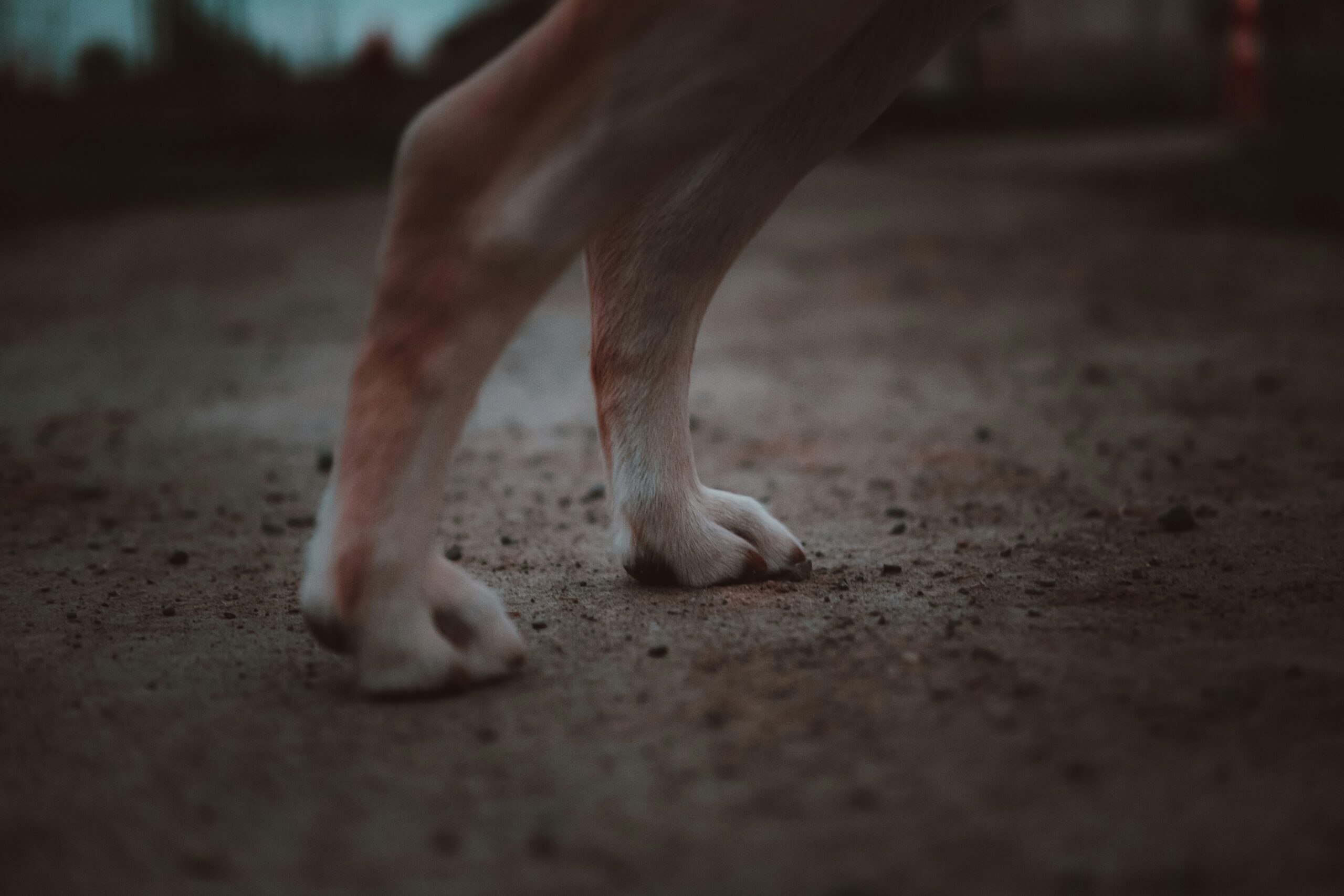
When your dog starts limping on their front leg, it can be alarming. One moment, they are playing happily, and the next, they are holding up a paw or walking unevenly. You can see they’re hurting, but they can’t tell you what's wrong. At Oxford Animal Hospital, we know how hard it is to see your pet in pain. We’re here to help you understand what’s going on and how to help your dog feel better quickly. In this article, we will talk about common reasons for a dog's limping front leg, what signs to look for, and when it is time to call your veterinarian. There are many possible reasons for front leg limping. Here are some of the most common: Sometimes, the cause is right at your dog’s feet. Small cuts, insect stings, splinters, or even something as simple as a pebble stuck between the toes can cause discomfort. Check their paw pads and between the toes for swelling, redness, or debris. Active dogs often twist or stretch a muscle or ligament during play, running, or jumping. This can cause mild to moderate pain and a temporary limp. Rest and limited movement often help mild sprains heal, but if the limp does not improve after a few days, it is best to have it checked. Older dogs, or breeds prone to orthopedic issues, may develop conditions like arthritis or elbow dysplasia. These can cause ongoing stiffness, pain, and limping, especially after rest or vigorous activity. If your dog yelps when moving or refuses to put weight on their leg, there may be a more serious injury, such as a fracture or dislocation. Falls, rough play, or car accidents can cause bone damage that needs immediate attention. Occasionally, infections in the paw or leg, or growths such as cysts or tumors, can make your dog limp. These issues may cause swelling, warmth, or discharge in the affected area. If your dog starts limping, the first thing to do is keep them calm and limit their movement. Encourage rest and avoid activities like long walks or jumping that could make the pain worse. Next, gently check their paw for visible problems such as thorns, small cuts, or swelling. It is important not to give human pain medication, since many common medicines can be harmful to dogs. Instead, you can apply a cool compress to any swollen area for a few minutes. This may provide some temporary relief until your veterinary appointment. It is always better to be cautious when it comes to your dog’s health. You should call your veterinarian if: At Oxford Animal Hospital, we are here to provide compassionate care and expert guidance. Together, we can help your dog heal, stay active, and get back to their happy, playful self. If you notice your dog limping on their front leg, reach out to us today to schedule an exam. What Causes a Dog to Limp on Its Front Leg?
1. Paw Injuries or Irritation
2. Strains or Sprains
3. Joint or Bone Conditions
4. Trauma or Fractures
5. Infections or Growths
What You Can Do at Home
When to Call Your Veterinarian
Help Your Dog Heal and Get Back to Their Happy, Active Self