
Menu
close
September 28, 2026
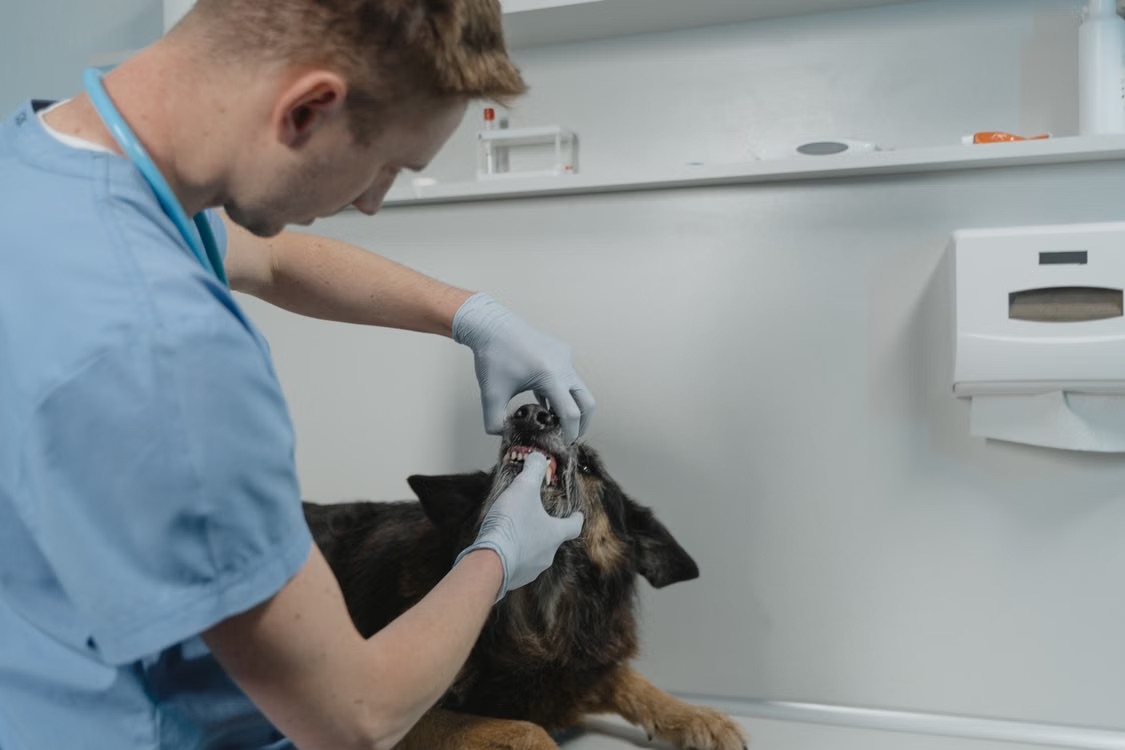
TL;DR: Most dogs do well with a professional dental cleaning every one to two years. Small breeds, flat-faced breeds, senior dogs, and pups with a history of gum disease often need one every six to twelve months. Daily brushing can stretch the time between visits, but it can't reach below the gumline. An annual dog dental exam is the best way to establish the right schedule for your dog's oral health. Book a dental exam at Oxford Animal Hospital and give that tail-wagging smile a head start. Dogs will share almost anything with you. The sock they stole. The couch cushion they've claimed as their own. Their strong opinions about the mail carrier. The one thing a dog will seldom share is a sore tooth. Dogs are champions at carrying on. They crunch their kibble, chase the ball, and plant a slobbery hello on your cheek, all while plaque hardens and gums grow tender out of sight. By the time their breath is bad enough to notice, the trouble has often been brewing for a while. That toughness is exactly why dental care works best on a schedule. So, how often should dogs get a dental cleaning? The answer depends on the dog, and finding it is simpler than it sounds. You may have heard that every dog needs a cleaning once a year. That's a helpful place to start, and for plenty of dogs, it's right on the money. Some healthy pups can go two years between cleanings. Others need care every six months just to stay comfy. So what makes the difference? A handful of things work together inside your dog's mouth. Breed and jaw shape decide how tightly the teeth are packed together. Age affects how much wear and buildup those teeth have faced. A past bout of gum disease raises the odds that it comes back. Home care, like brushing, slows plaque between visits. Finally, what your veterinarian finds during an exam ties everything together. Each one deserves a closer sniff. Little dogs often carry big dental worries. Yorkies, Chihuahuas, Dachshunds, and other small breeds tend to have teeth crowded into a tiny jaw. Those tight spaces trap food and bacteria, so plaque builds up faster. Flat-faced breeds like Pugs and French Bulldogs face the same problem because of their jaw shape. Bigger dogs with roomy smiles usually have an easier time, though no breed gets a free pass. Gum disease becomes more common with every birthday, and many dogs show early signs by around age three. A young dog with healthy teeth can often go longer between cleanings. A senior dog, especially one with a history of dental trouble, usually needs closer monitoring to stay comfortable and keep those teeth in place. Periodontal disease is an infection of the gums and the tissues that hold teeth in place. Once a dog has been treated for it, the chance of it returning stays higher. These pups often do best with cleanings every six to twelve months. There's good news, too. Early gum inflammation, called gingivitis, can often be reversed with treatment and steady home care. More advanced disease needs closer monitoring over time. Daily brushing is the gold standard for slowing plaque between visits. Dogs who get their teeth brushed most days can often stretch the time between cleanings. If brushing turns into a wrestling match in your house, you're far from alone, and professional cleanings may simply need to come around a bit more often. Dental chews, water additives, and dental diets make helpful sidekicks. Brushing and professional care still do the heavy lifting. A dog dental exam reveals what you can't see from the couch. Your veterinarian checks for tartar, red or swollen gums, loose teeth, and signs of infection. Dental X-rays may be needed to look below the gumline, where the most serious disease hides. This last factor carries the most weight. A dog with a clean, healthy mouth may not need a cleaning this year. A dog with heavy tartar or shrinking gums may need one sooner than planned. Put those five factors together, and some common patterns start to appear. The chart below offers a starting point, though your dog's exam results will always have the final say. A schedule only helps when it's kept, and dental disease doesn't pause for a busy calendar. Left alone, it causes real pain, even in dogs who seem perfectly happy. Over time, it can lead to tooth loss, jawbone damage, and infections that may affect organs like the heart, liver, and kidneys. Treatment also tends to become more involved and more costly the longer it waits. Because dogs hide discomfort so well, small clues matter. Bleeding gums can point to gum disease. A loose tooth is never something to shrug off. Other signs of dental disease, like pawing at the face or chewing on one side, can show up quietly. If you spot any of them, reach out before your dog's next scheduled visit. A professional cleaning is done under general anesthesia. This keeps your dog still, calm, and pain-free while the veterinary team cares for every tooth, above and below the gumline. A typical cleaning includes: Dental cleanings are one part of the veterinary services that keep dogs healthy from nose to tail. You may also see anesthesia-free cleanings advertised as a gentler option. These only scrape tartar from the visible surface of the teeth. They can't reach disease below the gumline or allow a full exam, so the most important work gets left undone. Your dog's yearly wellness visit is the perfect time to talk about dental care. Share anything you've noticed at home, such as stinky breath, dropped food, slower chewing, or pawing at the mouth. Small details help paint the full picture. Whether your dog is a wiggly puppy or a gray-muzzled senior, the veterinary team at Oxford Animal Hospital can review their history, check their mouth, and build a cleaning schedule that fits. Pair that plan with brushing at home, and your dog has the best shot at a lifetime of happy chewing. Watch for bad breath that won't go away, yellow or brown buildup on the teeth, red or puffy gums, trouble eating, or extra drooling. If you're unsure, a dog dental exam gives a clear answer. For most dogs, modern veterinary anesthesia is considered very safe when a trained team monitors closely. Before the procedure, your veterinarian checks your dog's health and discusses any risks associated with age, breed, or medical history. Daily brushing makes a big difference and can stretch the time between cleanings. It can't reach below the gumline, though, so most dogs still need professional cleanings from time to time. Many dogs have their first professional cleaning between the ages of two and four. Small breeds may need one sooner. Your veterinarian can recommend the right timing after looking at your dog's mouth. Contact us today to book a visit and give your pup the healthy smile they deserve. Disclaimer: The information in this blog is for educational purposes only and is not a substitute for professional veterinary advice. For any health concerns regarding your pet, please schedule an appointment with our veterinary team.Why Dog Dental Cleaning Frequency Is Different for Every Pup
5 Factors That Decide How Often Dogs Need Teeth Cleaning
1. Breed and Mouth Shape
2. Age
3. Past Dental Disease
4. Home Care Habits
5. What the Vet Finds at a Dog Dental Exam
Find Your Dog's Teeth-Cleaning Schedule
Your Dog
Common Cleaning Schedule
Why
Young, larger breed with a healthy mouth
Every 1 to 2 years
Roomy teeth and fewer risk factors
Small or toy breed
Every 6 to 12 months
Crowded teeth trap plaque faster
Flat-faced breed
Every 6 to 12 months
Jaw shape crowds the teeth together
Senior dog
At least once a year
Buildup and gum wear add up over time
Dog with past gum disease
Every 6 to 12 months
Higher chance of disease returning
A dog with daily brushing at home
May stretch toward the longer end
Less plaque builds up between visits
What Happens When a Dental Cleaning Waits Too Long?
What to Expect During a Professional Dog Teeth Cleaning
Getting the Most From Your Dog's Dental Exam
Sniffing Out Answers: Common Questions About Dog Dental Cleaning
How do I know if my dog needs a dental cleaning right now?
Is anesthesia safe for dog dental cleanings?
Can brushing alone prevent dental disease?
At what age should my dog get a first dental cleaning?