
Menu
close
January 9, 2026
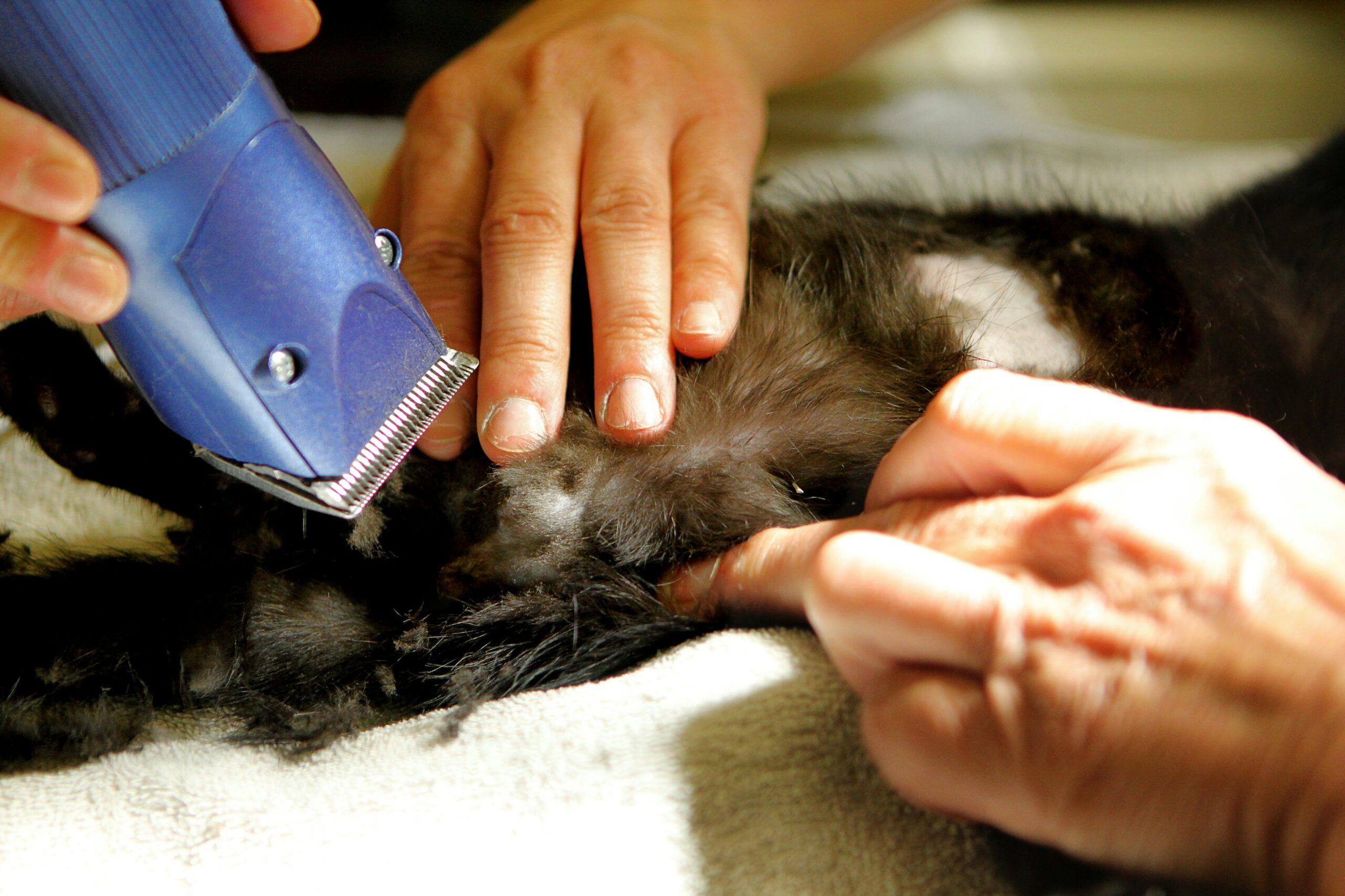
The spay vs neuter decision is one of the most important choices you'll make for your pet, and it's a decision rooted in love. This one-time act of preventative care can help your cherished companion live a longer, happier, and healthier life by your side. But what exactly is the difference between spaying and neutering, and how do you know which is the right path for your furry family member? At Oxford Animal Hospital, we believe an informed pet owner is an empowered one. Let's walk through what each procedure involves, so you can feel comfortable and prepared. Though often used together, spaying and neutering are two distinct procedures for different genders. Commonly known as "fixing," the goal is to sterilize your pet so they can't reproduce. Spaying and neutering are common surgeries performed under general anesthesia by our experienced veterinary team. For female animals, the procedure is called an ovariohysterectomy or spay. During the surgery, a veterinarian removes the ovaries and uterus. This prevents her from going into heat cycles and removes her ability to become pregnant. For male animals, the procedure is known as an orchidectomy or castration, commonly called neutering. This surgery involves the removal of the testicles, which are the primary source of testosterone. This stops his ability to father litters. The best age for sterilization can depend on your pet's breed, size, and overall health. Generally, we recommend that cats be sterilized before they reach 5 months of age. But you can sterilize them as early as 8 weeks old, as they can go into heat early. For dogs, we generally recommend the procedure between 6 and 9 months of age. However, some larger dog breeds may benefit from waiting a bit longer. Because the timing can vary so much, a personal consultation is crucial. CTA: We'll discuss the ideal time for your pet’s specific needs during their regular check-ups. Spay and neuter services in Edmonton offer advantages that go far beyond preventing litters. This procedure can significantly improve your pet's quality of life. Beyond your own pet's health, sterilization helps control pet overpopulation in our community. This reduces the number of animals in shelters, giving more pets a chance at a loving home. We know that any pet surgery, no matter how routine, can make a pet owner feel anxious and worried. So, we’ll walk you through what to expect, putting you at ease. We'll give you specific pre-operative instructions, which include withholding food and water for a period before the operation. This ensures their stomach is empty to prevent complications with anesthesia. On the morning of the procedure, our team will welcome you, answer any last-minute questions, and perform a pre-surgical exam to confirm your pet is ready. Your pet will be under general anesthesia, so they won't feel any pain. Our veterinary surgical team uses modern monitoring equipment to track their vital signs throughout the surgery. We take every precaution to make the process as smooth as possible. Once the surgery is complete, we’ll move your pet to a quiet recovery area. A team member will monitor them closely as they wake up from anesthesia. Spaying and neutering are outpatient procedures, meaning your pet can usually return home the same day. When you come to collect your furball, we'll give you detailed aftercare instructions for a smooth recovery at home. Your pet might be a little groggy for the first 24 hours. This is a normal effect of the anesthesia. They should return to their bright, happy self within a day or two. Your pet's recovery period typically lasts about 10 to 14 days. Keep them calm and comfortable during this time. CTA: For urgent issues, please see our emergency pet care details. Only for the better! While behaviours like roaming or aggression may decrease, your pet’s loving core personality will remain the same. Your pet is under full anesthesia during the surgery and won't feel anything. We'll also give you pain medication to manage any discomfort while they recover at home. Sterilization can slightly slow a pet's metabolism. However, weight gain is preventable with a balanced diet and regular exercise. We can help you create a nutrition plan to keep them healthy. Every surgical procedure comes with a degree of risk. However, spaying and neutering are among the safest and most common surgeries performed on pets. For most pets, the health and behavioural benefits of sterilization far outweigh the small risks. While it's ideal to spay or neuter pets when they're young, it's possible to perform the surgery on healthy adult animals. We conduct pre-surgical blood work and a thorough physical exam to ensure it is safe for them. While these are the most common methods, other options exist. Partial spay procedures, like an ovariectomy (removing only the ovaries) and hysterectomy (removing the uterus and cervix) for females, also prevent reproduction. In male pets, there's the option to perform a vasectomy (cutting the tubes carrying sperm) or a chemical castration, an injectable drug to temporarily sterilize male dogs. These alternatives have specific applications, but a full spay or neuter is the standard for pet wellness. CTA: Contact us to discuss the best path for your pet. Sterilization is not just for cats and dogs. Rabbits, in particular, benefit greatly. Spaying female rabbits can prevent aggressive behaviour and uterine cancer, which is very common in unspayed females. The surgical procedure is quite short, typically lasting between 20 and 90 minutes, depending on the type of surgery and the individual pet. However, your pet will stay with us for several hours to allow for preparation, the procedure, and a safe recovery period from anesthesia before they are ready to go home. Spaying or neutering is a one-time investment in your pet's long-term health. It helps prevent the need for much more expensive treatments for conditions like pyometra or cancer down the road. At Oxford Animal Hospital, we're committed to delivering compassionate surgical care to ensure your pet's safety and comfort, and your peace of mind. We're here to answer your questions and support you in making the best healthcare decisions for your beloved pet. CTA: Book your consultation today to discuss the best option for your cat or dog. Disclaimer: The information in this blog is for educational purposes only and is not a substitute for professional veterinary advice. For any health concerns regarding your pet, please schedule an appointment with our veterinary team.Spay vs Neuter: What's the Difference?
Spaying a Female Pet
Neutering a Male Pet
When to Spay or Neuter Your Cat or Dog
The Health and Behavioural Benefits of Fixing Your Pet
Benefits of Spaying Female Pets
Benefits of Neutering Male Pets
A Breakdown of Your Pet’s Surgical Day
Before the Surgery
During the Surgery
After the Surgery
Recovery and Aftercare: What to Watch For
Frequently Asked Questions
Will my pet's personality change?
Is the surgery painful?
Will my pet become overweight?
Are there any risks to pet sterilization?
My pet is older. Is it too late?
Are there other sterilization options?
What about other pets?
How long does the surgery actually take?
Is the surgery expensive?
Here for You and Your Pet